

The U. S. regulatory landscape for stablecoins has been fundamentally redrawn by the GENIUS Act 2025 - a sweeping federal law signed by President Donald J. Trump on July 18,2025. This legislation, officially titled the Guiding and Establishing National Innovation for U. S. Stablecoins Act, is already sending shockwaves through the crypto industry, banking sector, and compliance departments nationwide. For anyone participating in the stablecoin ecosystem, understanding the new rules is now a non-negotiable.
Key Definitions and Who Can Issue U. S. Stablecoins Now
At its core, the GENIUS Act defines a payment stablecoin as a digital asset designed for payments or settlement, pegged to a fixed value (typically $1). But the real regulatory teeth come from the Act’s strict gatekeeping on who can issue these tokens. Issuance is now limited to:
- Insured depository institutions (banks and credit unions)
- Subsidiaries of these institutions
- Licensed nonbank financial companies meeting rigorous federal standards
This framework effectively sidelines unregulated or offshore entities, pushing stablecoin issuance firmly into the hands of regulated financial players. For a granular breakdown of permitted issuers and compliance timelines, see our detailed compliance guide.
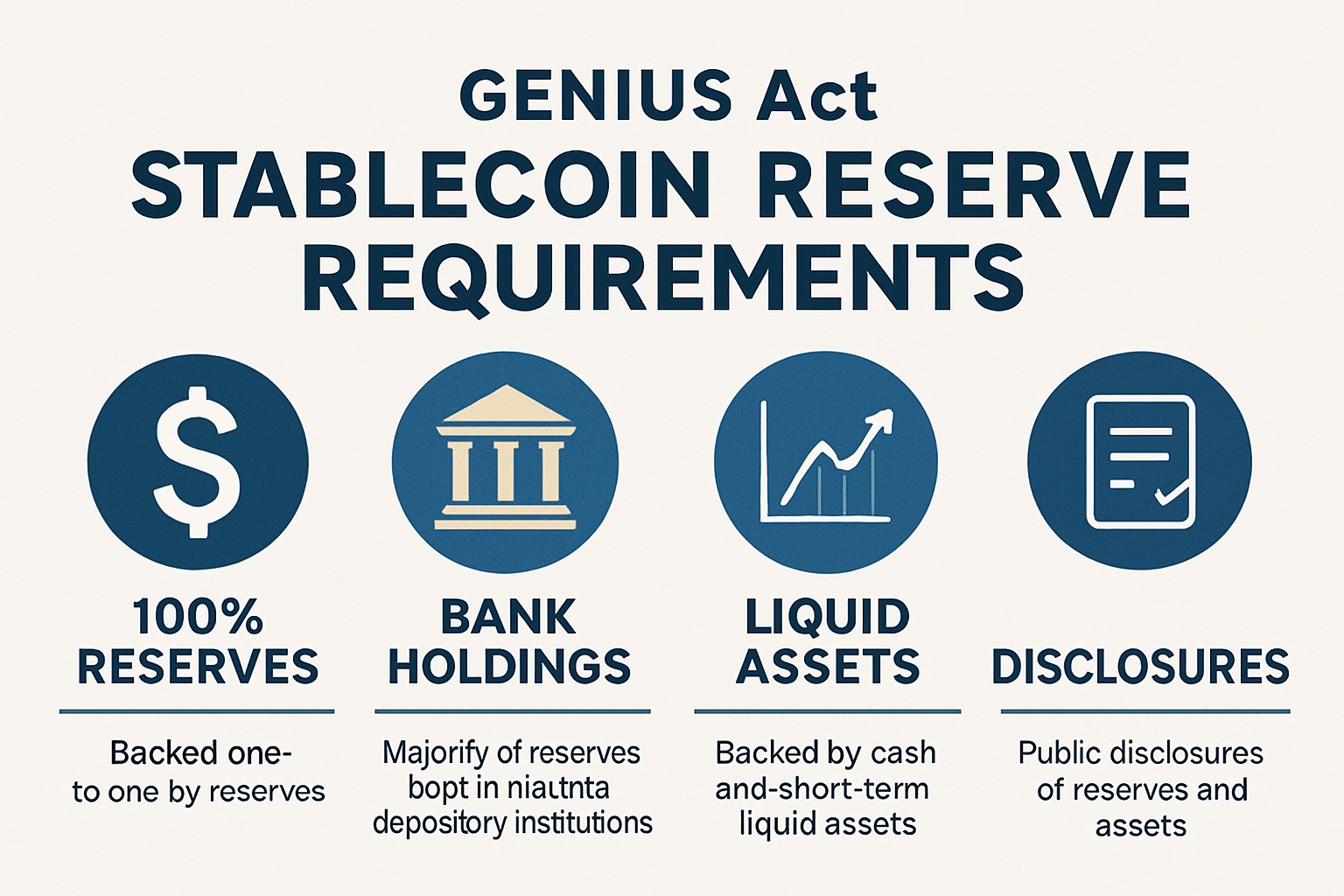
Reserve Requirements: 1: 1 Backing and Transparency
The Act’s reserve mandate is clear: every dollar of stablecoin in circulation must be backed by an equivalent dollar of liquid assets. Acceptable reserves include U. S. dollars and short-term Treasury bills, with zero tolerance for riskier investments or rehypothecation. The law prohibits using reserves for anything but redemption or tightly defined collateralized transactions.
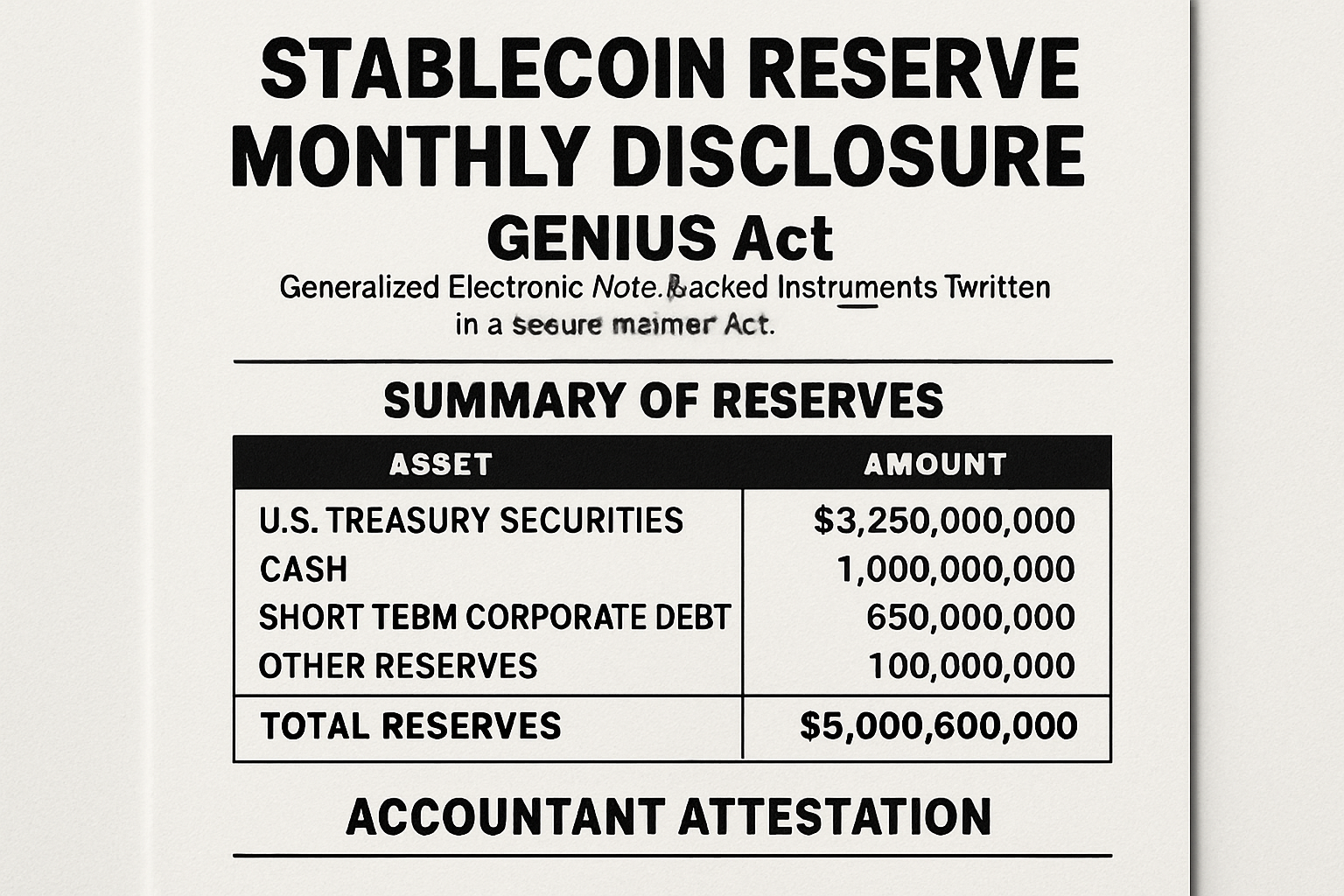
Transparency is no longer optional. Issuers are required to publish monthly public disclosures detailing reserve composition and outstanding stablecoins, certified by executives and reviewed by registered public accounting firms. For issuers with over $50 billion in outstanding stablecoins, annual audited financial statements are mandatory.
Top Compliance Obligations for U.S. Stablecoin Issuers Under the GENIUS Act
- 1. Maintain 1:1 Reserve Backing — Issuers must fully back all outstanding stablecoins with liquid assets like U.S. dollars or short-term U.S. Treasury bills, ensuring redemption at a fixed value.
- 2. Monthly Public Reserve Disclosures — Issuers are required to publish monthly, executive-certified reports detailing reserve composition and total stablecoins outstanding, verified by registered public accounting firms.
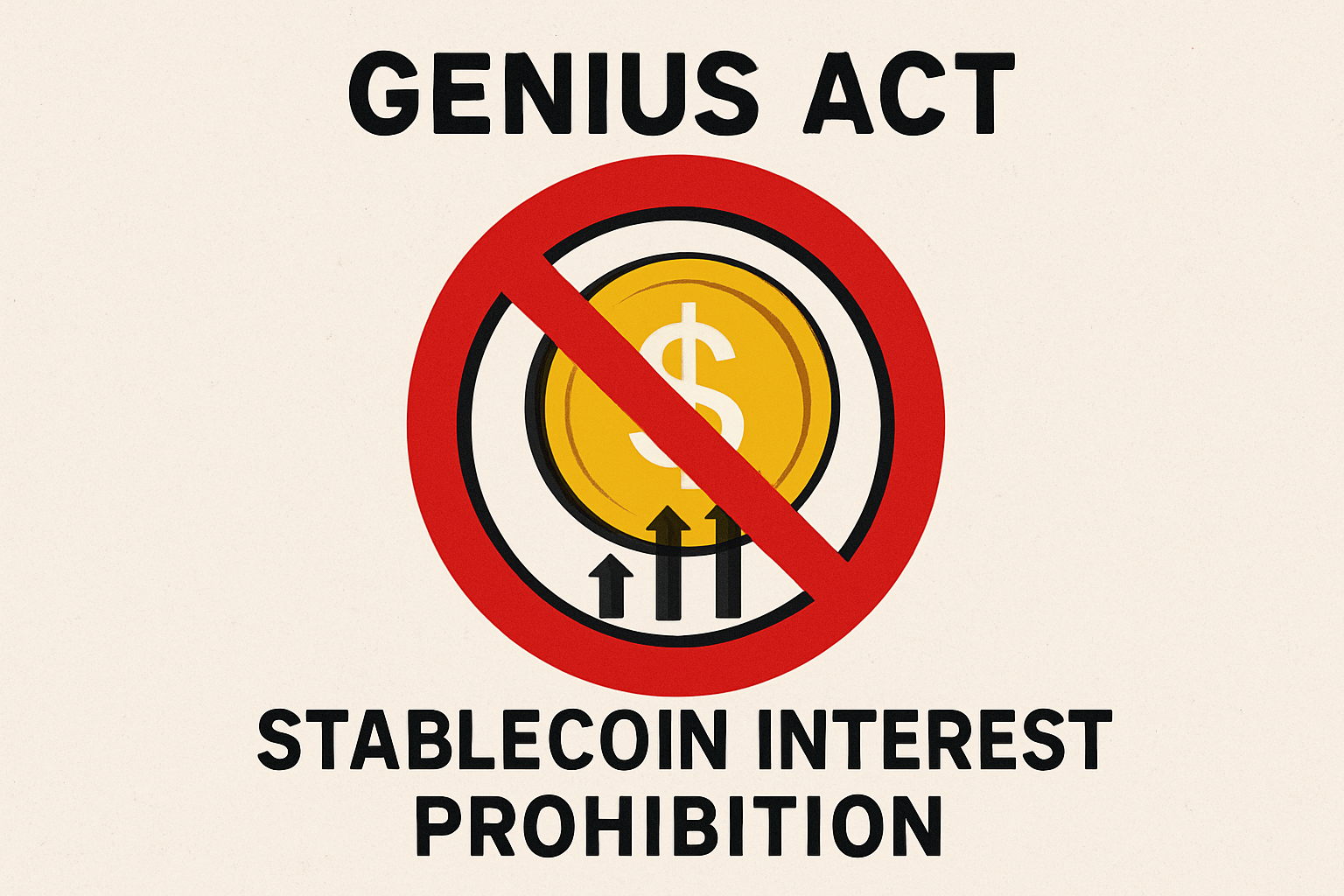
- 3. Prohibition on Interest Payments — Stablecoin issuers are forbidden from paying interest to holders, preventing the coins from being treated as interest-bearing accounts.
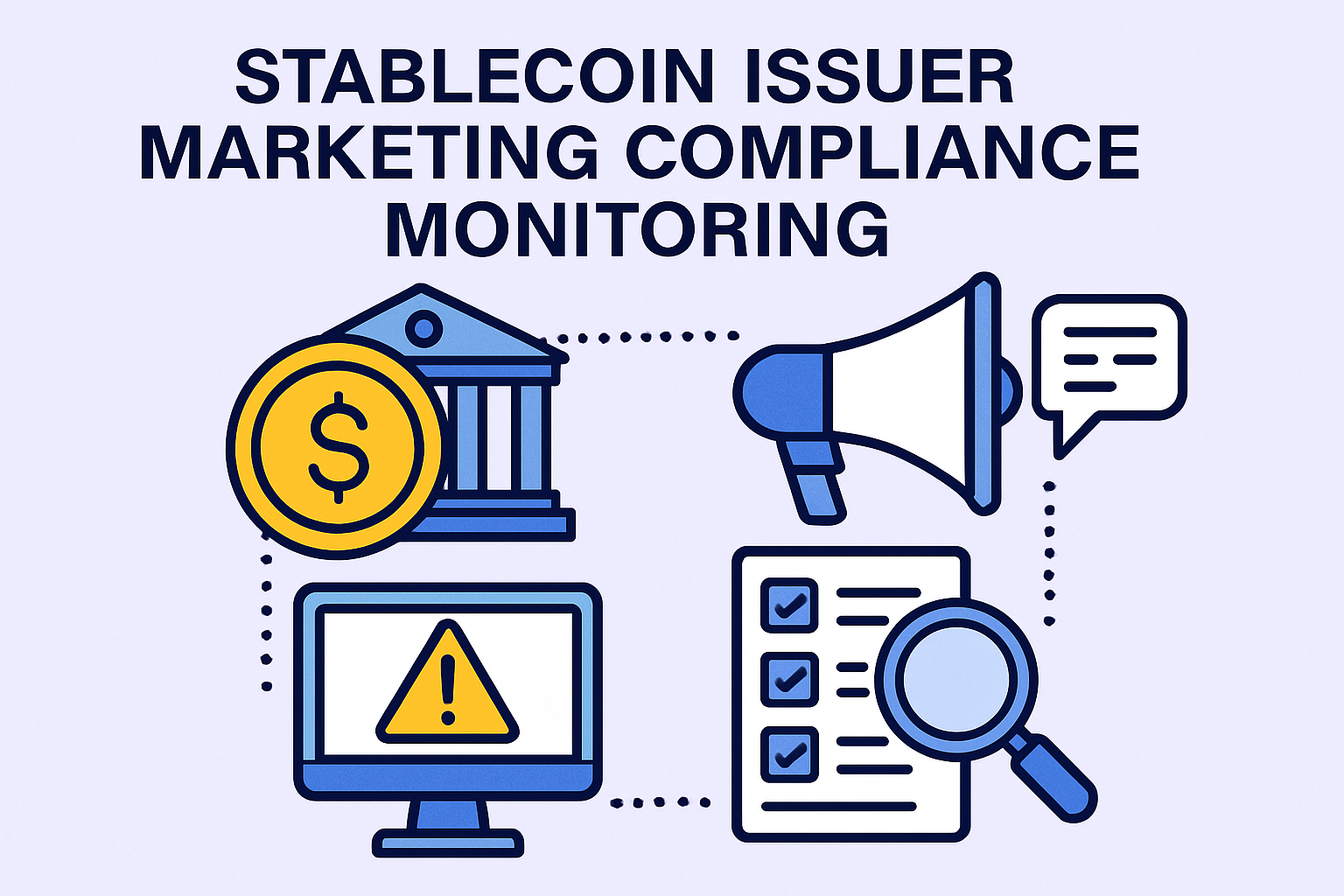
- 4. Strict Consumer Protection and Marketing Rules — Marketing materials must not claim stablecoins are backed by the U.S. government, federally insured, or legal tender, protecting consumers from deceptive statements.
- 5. Robust AML and Sanctions Compliance — Issuers must implement Bank Secrecy Act-compliant anti-money laundering and sanctions programs, including customer identification and transaction monitoring.

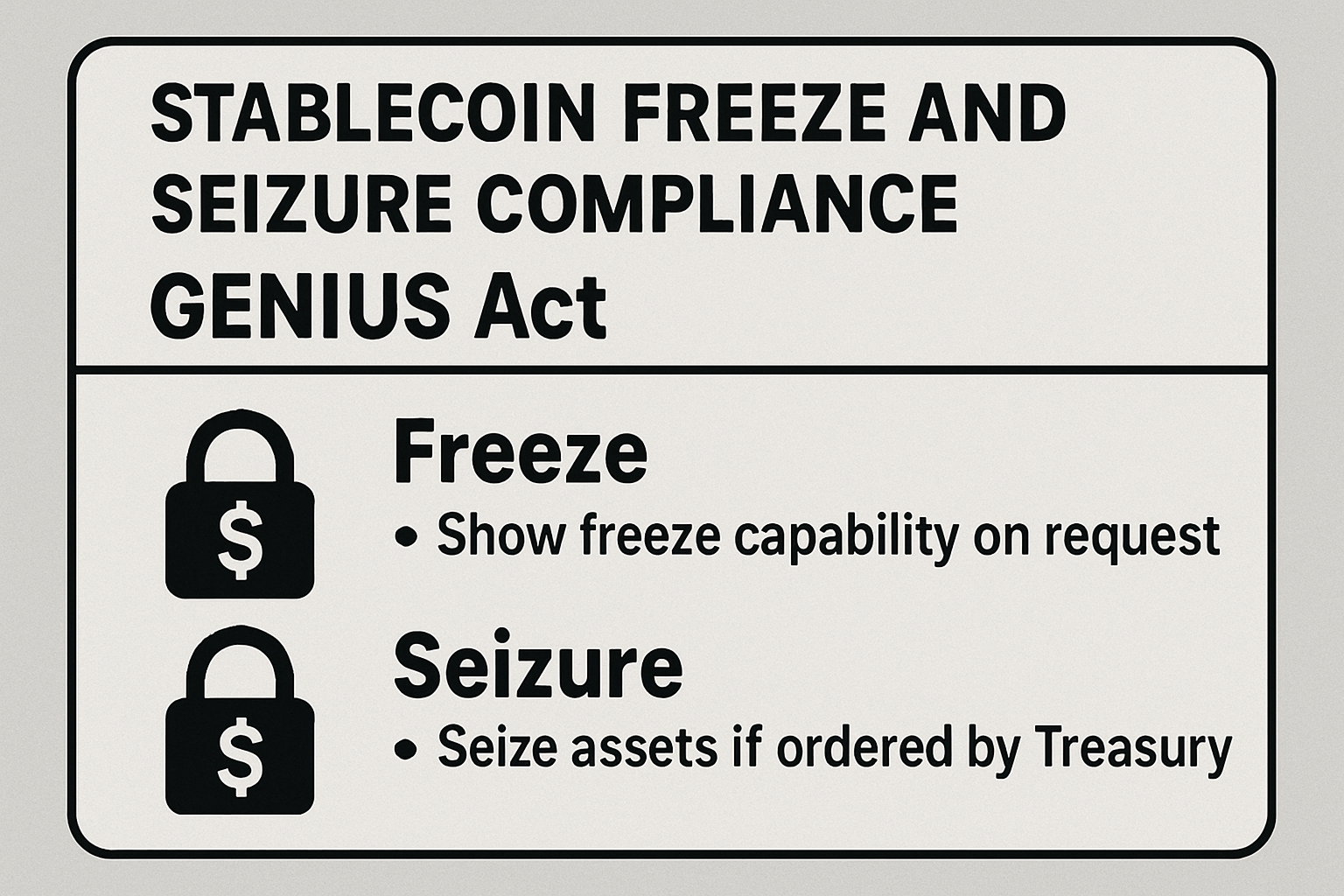
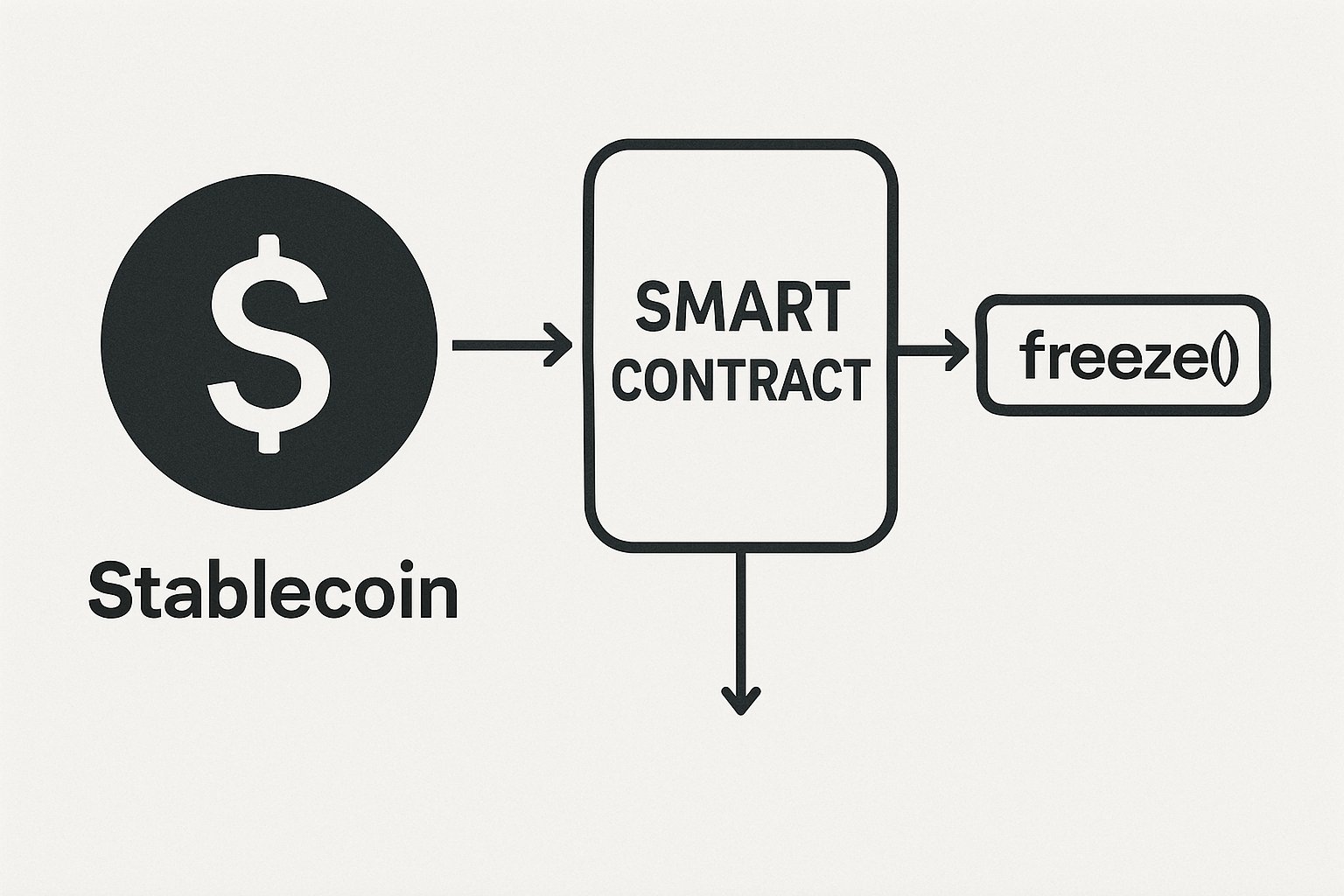
- 6. Technical Capability to Freeze or Seize Assets — Issuers are obligated to maintain systems that allow freezing or seizing stablecoins in response to lawful regulatory orders.
- 7. Regulatory Oversight and Reporting — Issuers with over $10 billion in outstanding stablecoins are subject to direct federal oversight, while smaller issuers may be regulated by states if frameworks align with federal standards.
- 8. Insolvency Protections for Holders — In the event of insolvency, stablecoin holders have priority claims on reserve assets, safeguarding consumer funds.
Consumer Protection and Marketing: No More Wild Claims
For stablecoin users, the GENIUS Act brings a new era of clarity and protection. The law strictly prohibits paying interest to holders - a move designed to avoid regulatory arbitrage with traditional bank deposits. Perhaps most critically, the Act outlaws any marketing that suggests stablecoins are backed by the U. S. government, are federally insured, or constitute legal tender.
Issuers must also comply with robust anti-money laundering (AML) and sanctions programs, including customer identification and transaction monitoring. Technical capabilities to freeze or seize stablecoins upon lawful order are now a baseline requirement.
Federal vs State Oversight: Size Matters
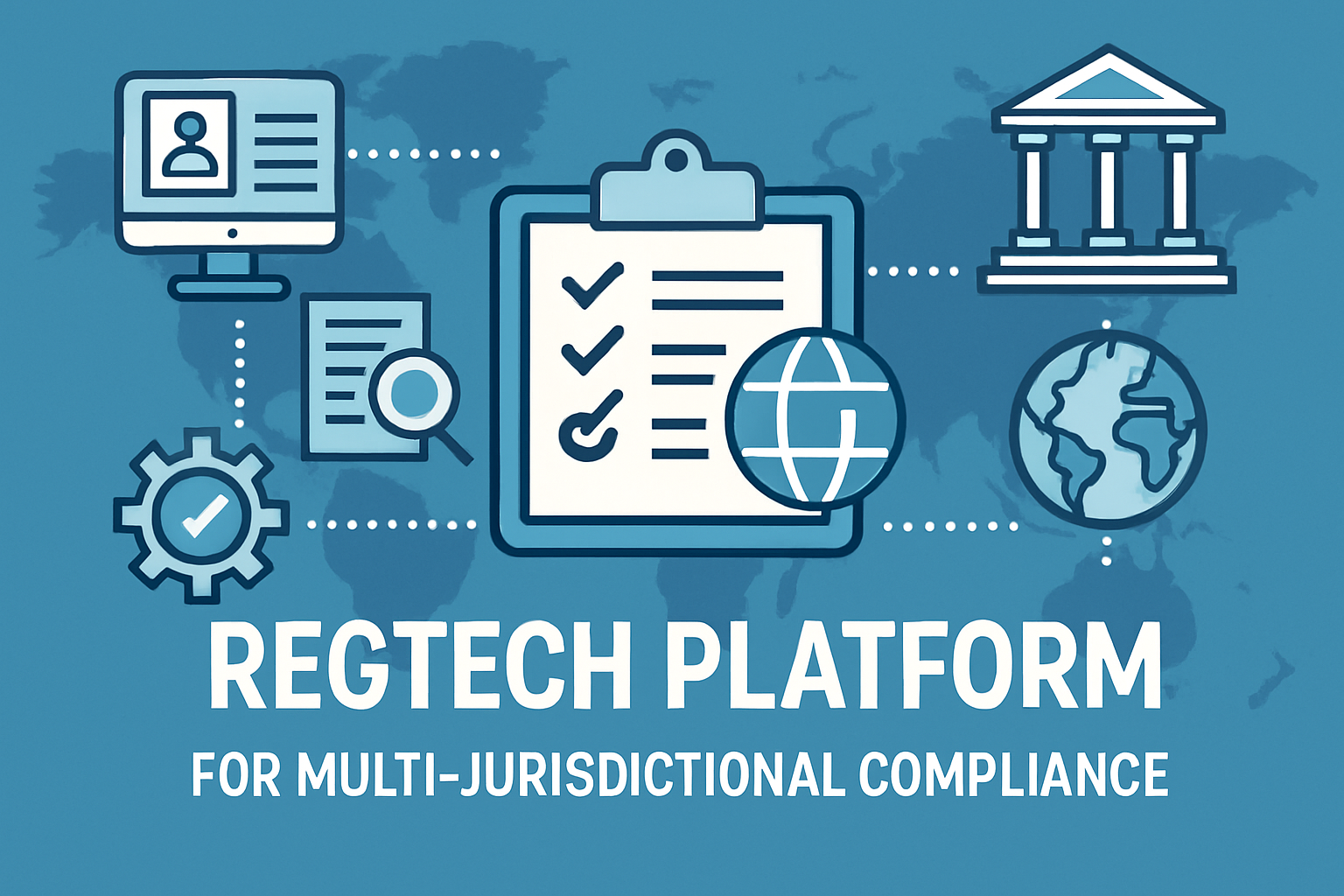
The GENIUS Act introduces a two-tier oversight regime. Issuers with over $10 billion in stablecoins fall under direct federal supervision, while smaller issuers can opt for state-level regulation if their state’s framework aligns with federal standards. This hybrid model is designed to balance innovation with systemic risk management, but it also means compliance teams must stay agile as state and federal requirements converge.
For a deep dive into the practical impact on banks, DeFi projects, and cross-border payments, check our sector-specific analysis.
These changes are already triggering strategic pivots across the industry. Major stablecoin issuers are racing to shore up their reserve disclosures and retool compliance programs to meet the new federal bar. Smaller fintechs, meanwhile, are weighing whether to pursue state-level approvals or seek acquisition by larger, federally regulated entities. The days of regulatory ambiguity are over; the GENIUS Act has set a single, high-water mark for what it means to be a compliant U. S. stablecoin issuer.
Operational Shifts and Market Reactions
On the ground, operational costs are rising as firms invest in audit infrastructure, AML software, and legal expertise. The requirement for monthly reserve disclosures and annual audits for large issuers is already separating the serious players from the speculative. For users, this translates to greater transparency: but also a shakeout of less robust projects. Expect consolidation as compliance costs climb and only well-capitalized entities can afford to play.
Market liquidity is also in flux. The prohibition on paying interest removes a major draw for yield-seeking users but clarifies that stablecoins are not substitutes for savings accounts. Instead, the focus shifts to payments, settlement, and cross-border transfers, areas where regulatory clarity is likely to drive institutional adoption. For a breakdown of how these rules will affect merchants and payment processors, see our merchant compliance briefing.
Key Technical Hurdles for Stablecoin Issuers Under GENIUS Act
- 1:1 Reserve Backing and Segregation — Issuers must maintain full 1:1 backing with highly liquid assets (e.g., U.S. dollars, short-term Treasuries), requiring robust systems for real-time reserve tracking and strict segregation of user funds.

- Monthly Public Disclosures and Audits — The Act mandates monthly reserve disclosures and annual audits by registered public accounting firms for large issuers, necessitating automated reporting tools and secure, transparent data pipelines.

- AML and Sanctions Compliance Technology — Issuers must implement Bank Secrecy Act-compliant anti-money laundering and sanctions screening systems, including customer identification and transaction monitoring at scale.

- On-Chain Freeze and Seizure Capabilities — The law requires technical infrastructure to freeze or seize stablecoins in response to lawful orders, demanding smart contract upgrades and secure administrative controls.
- Marketing and Consumer Protection Controls — Issuers must deploy systems to prevent misleading claims (e.g., no false government backing), requiring compliance monitoring of all public communications and digital marketing assets.
- Multi-Jurisdictional Regulatory Integration — For issuers operating across states or federally, systems must support dynamic compliance with both federal and state frameworks, including regulatory reporting and audit trails.
Enforcement, Penalties, and the Road Ahead
Enforcement is expected to be aggressive. Federal agencies, including the Federal Reserve, OCC, FDIC, and state regulators, have been empowered to levy penalties for noncompliance. Violations around reserve mismanagement, misleading marketing, or AML failures will trigger swift action. Issuers need to prepare for regular examinations and stress tests under this new regime.
Looking forward, the GENIUS Act is likely just the beginning. The Treasury has already issued a request for public comment on technical implementation details, signaling that further guidance, and potentially new rulemaking, will follow as market realities evolve. This dynamic regulatory environment means that both issuers and users must stay vigilant.
Strategic Takeaways for Issuers and Users
The bottom line: The U. S. now has a federal stablecoin framework that prioritizes consumer protection, financial stability, and national security, at the cost of higher compliance burdens. For issuers, success hinges on building compliance into infrastructure from day one; for users, trust in stablecoins will increasingly depend on issuer transparency and regulatory standing.
If you’re navigating these changes or planning a new stablecoin launch in 2025-2026, review our comprehensive guides on compliance licensing or issuer obligations under the new law.




No comments yet. Be the first to share your thoughts!