

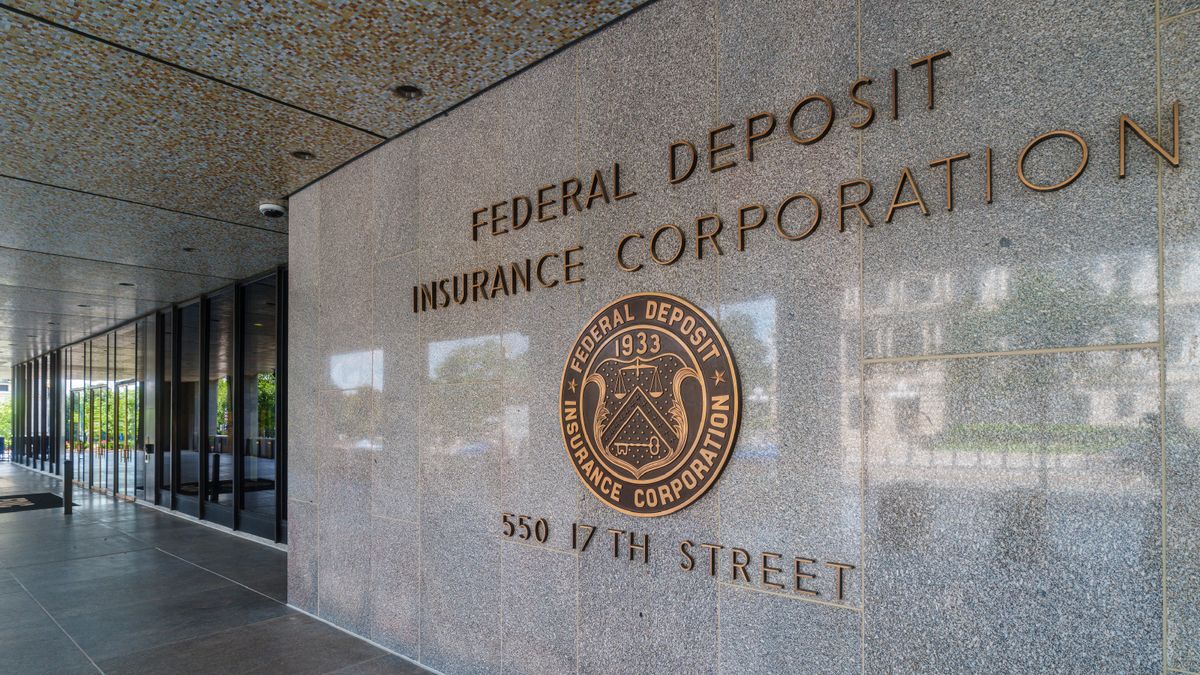
The GENIUS Act of 2025 marks a pivotal shift in US stablecoin regulation 2026, imposing rigorous stablecoin reserve requirements and placing the FDIC at the helm of oversight for payment stablecoin issuers. Enacted to fortify consumer protections while fostering innovation, this legislation demands 1: 1 backing with highly liquid assets, bans rehypothecation in most cases, and mandates transparency that rivals traditional banking standards. For issuers, compliance isn't optional; it's the price of legitimacy in a market where trust hinges on verifiable reserves.

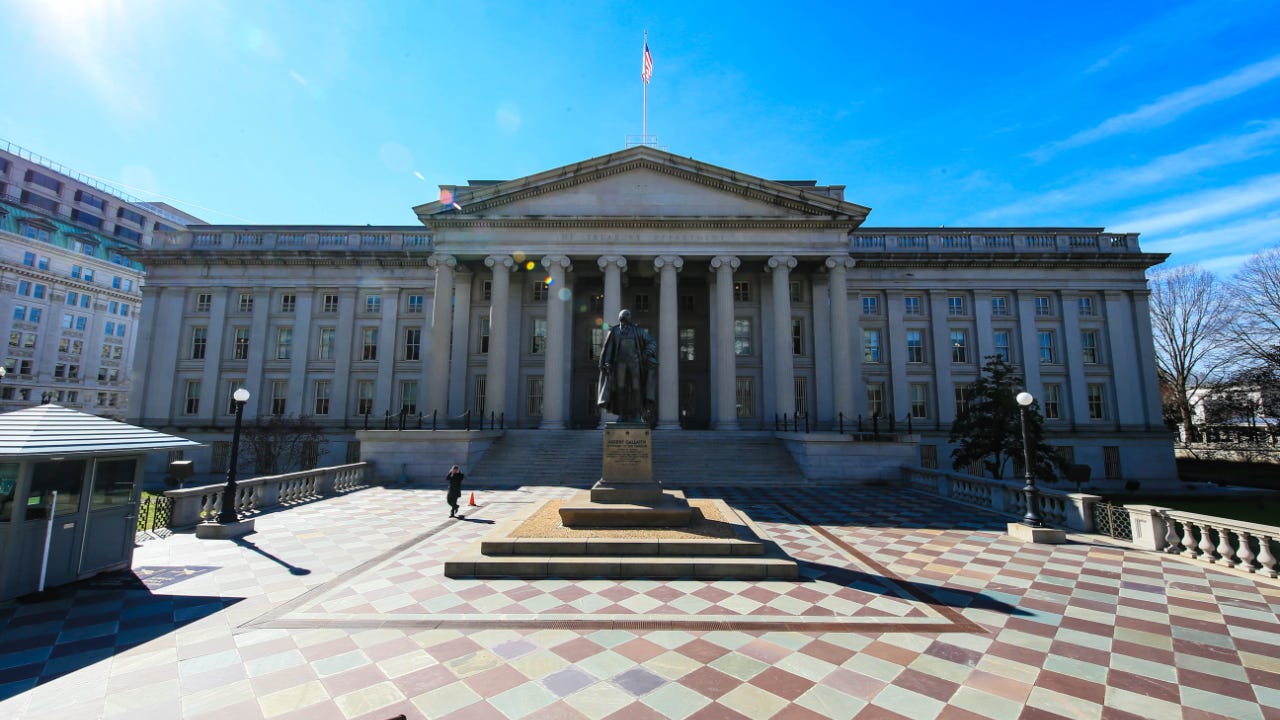
At its core, the Act targets payment stablecoins-those pegged to the US dollar for transactional use-by requiring issuers to hold reserves equal to every outstanding coin. Eligible assets are narrowly defined: US coins and currency, demand deposits at insured depository institutions, and Treasury bills, notes, or bonds maturing in 93 days or less. This conservative asset palette minimizes volatility risks, a deliberate choice that underscores regulators' wariness of crypto's wilder corners. Prohibiting rehypothecation except for liquidity to meet redemptions further insulates holders, preventing the leverage traps that plagued past stablecoin failures.
Decoding the 1: 1 Reserve Mandate and Liquidity Standards
Section 5 of the GENIUS Act enforces this 1: 1 ratio with precision, compelling issuers to match liabilities coin-for-coin. Monthly audited reports, prepared by registered accounting firms, must detail reserve composition and be publicly disclosed alongside redemption policies and fees. This transparency regime addresses long-standing criticisms of opaque reserves, empowering users to scrutinize backing before transacting. From my vantage in asset management, this setup echoes money market fund reforms post-2008, prioritizing redemption certainty over yield chasing.
GENIUS Act Eligible Reserves
- U.S. Coins & Currency: Physical U.S. dollars held 1:1 against stablecoins. (Congress.gov)

- Demand Deposits at IDIs: Balances at FDIC-insured depository institutions. (Congress.gov)
- Treasury Securities ≤93 Days: T-bills, notes, bonds maturing in 93 days or less. (Congress.gov)
- No Rehypothecation: Prohibited from pledging/reusing reserves except for redemptions. (Latham & Watkins)

Yet, liquidity standards elevate the bar. Issuers must maintain buffers to handle stress scenarios, with FDIC-proposed rules demanding detailed financial disclosures on capital, liquidity profiles, and reserve diversification. Comment periods extended to May 18,2026, signal regulators' responsiveness, but also the complexity ahead. For subsidiaries of insured depository institutions, applications face a 120-day FDIC review, assessing safety, governance, and risk controls. Silence after 120 days? Deemed approval-a pragmatic nod to efficiency without sacrificing diligence.
FDIC's Licensing Framework and Prudential Guardrails
The FDIC's role as primary overseer for many payment stablecoins compliance scenarios is transformative. For bank subsidiaries issuing stablecoins, the agency evaluates financial condition, managerial competence, and operational resilience. Separate proposals loom for broader prudential standards, covering capital adequacy tailored to stablecoin risks. This layered approach ensures issuers aren't just solvent on paper but resilient in practice.

| Threshold | Oversight Body | Key Requirements |
|---|---|---|
| and gt;$10B outstanding | Federal (OCC, Fed, FDIC, NCUA) | Strict capital/liquidity rules, full supervision |
| ≤$10B | State (if certified similar) | Substantially equivalent to federal standards |
As detailed in FDIC framework maps, pathways diverge by scale: mega-issuers over $10 billion fall under federal purview, while smaller ones may opt for state regimes if deemed substantially similar. This dual track balances innovation with uniformity, though certification processes will test state regulators' mettle. Bankruptcy protections further bolster the framework, ring-fencing reserves from estate claims and granting holders priority-a rare win for crypto users in insolvency.
Navigating Capital Requirements Amid Evolving Proposals
Capital rules under the GENIUS Act aren't one-size-fits-all; they're calibrated to issuance volume and risk exposure. FDIC proposals emphasize reserve diversification to curb concentration risks, while liquidity stress tests mimic banking norms. Issuers must demonstrate robust governance, from board oversight to AML compliance, aligning digital assets with TradFi rigor. Critics argue this stifles agility, but evidence from past depegs validates the caution: unbacked promises erode markets faster than regulations can rebuild them.
For legal professionals and issuers plotting 2026 strategies, the Act's timeline is unforgiving. Final rules by July 18,2026, precede full enforcement, with applications already trickling in. Early movers gain first-mover advantages, but only if their balance sheets sing safety. As Treasury-aligned reserves become table stakes, non-compliant players face obsolescence.
Prudential standards extend beyond reserves to encompass dynamic capital buffers that scale with market stress. FDIC guidance, drawn from recent proposals, insists on liquidity coverage ratios capable of withstanding 30-day redemption runs, mirroring Basel III for banks. This isn't mere box-ticking; it's a firewall against runs that could cascade through payment networks. Issuers ignoring these signals risk not just denial but market irrelevance, as investors flock to compliant peers with ironclad backing.
Transparency Mandates and Marketing Prohibitions
Transparency forms the Act's bedrock, requiring payment stablecoins compliance through monthly, audited reserve attestations published for all to see. Redemption policies, fee structures, and asset breakdowns must be crystal clear, quelling doubts that fueled past scandals. Equally firm are marketing curbs: no issuer can imply government backing, full faith guarantees, or FDIC insurance coverage. These prohibitions, rooted in Section 7, prevent deceptive practices that could lure retail users into false security. In practice, this demands precise language in whitepapers and ads, audited for compliance.
Non-compliance invites enforcement teeth: civil penalties up to $100,000 per violation, plus supervisory actions from cease-and-desist orders to license revocation. For cross-border operators, this aligns with global pushes like Europe's MiCA, but with America's trademark stringency. My experience in compliance underscores a key truth: documentation wins battles regulators fight daily.
Bankruptcy Safeguards Redefining Holder Rights
Perhaps the Act's sharpest innovation lies in bankruptcy code amendments. Reserves are segregated as customer property, immune from the issuer's estate. Holders claim priority over reserves matching their coins, superseding general creditors. This upends traditional crypto insolvency, where users often scavenged scraps. Picture Terra's collapse; under GENIUS, reserves would flow directly back, minimizing contagion. It's a consumer-first pivot that elevates stablecoins toward checking account parity.
GENIUS Act Bankruptcy Protections: Pre-Act vs. Post-Act Comparison
| Aspect | Pre-GENIUS Act | GENIUS Act |
|---|---|---|
| Reserve Treatment | Pooled assets shared among creditors | Segregated reserves treated as customer property |
| Holder Claims | Pro-rata distribution among all creditors | Priority claims for holders, senior to other claims |
| Bankruptcy Estate | Reserves included in issuer's estate | Reserves excluded from issuer's bankruptcy estate |
These mechanics demand operational rigor: daily reconciliations, segregated custody at qualified custodians. Smaller issuers under state oversight must mirror these, pending certification-a process that could fragment compliance if states lag.
Zooming out, the GENIUS Act recalibrates US stablecoin regulation 2026 for sustainability. With final rules due by mid-2026, issuers face a compliance sprint: retrofit reserves, overhaul governance, and file applications amid FDIC scrutiny. Larger players topping $10 billion trigger federal overlords like the OCC or Fed, enforcing uniform FDIC stablecoin rules. States vying for smaller issuers must prove parity, likely spurring a race to the top in supervision quality.
Strategic pivots abound. Non-bank issuers eye bank partnerships for subsidiary access, while incumbents like potential JPM Coin evolutions test waters. Globally, this fortifies USD dominance in stablecoins, pressuring offshore havens with lighter touch. Yet challenges persist: reconciling KYC with privacy, scaling audits without costs crippling innovation. For legal teams and executives, the playbook is clear-audit now, certify reserves, and engage regulators early. Those who adapt thrive; laggards fade. The Act doesn't just regulate; it defines winners in a trillion-dollar arena poised for explosive growth.




No comments yet. Be the first to share your thoughts!