

In the high-stakes world of crypto trading, where every basis point counts, the SEC just dropped a game-changer for USD stablecoins. On February 19,2026, the Division of Trading and Markets issued FAQ guidance allowing broker-dealers to slap a mere 2% capital haircut on proprietary positions in qualifying payment stablecoins under Rule 15c3-1. This slashes the prior 100% deduction, freeing up billions in regulatory capital and turbocharging stablecoin integration into traditional finance. As a day trader who's navigated regulatory arbitrage for years, I see this as a liquidity catalyst that could reshape broker-dealer strategies overnight.
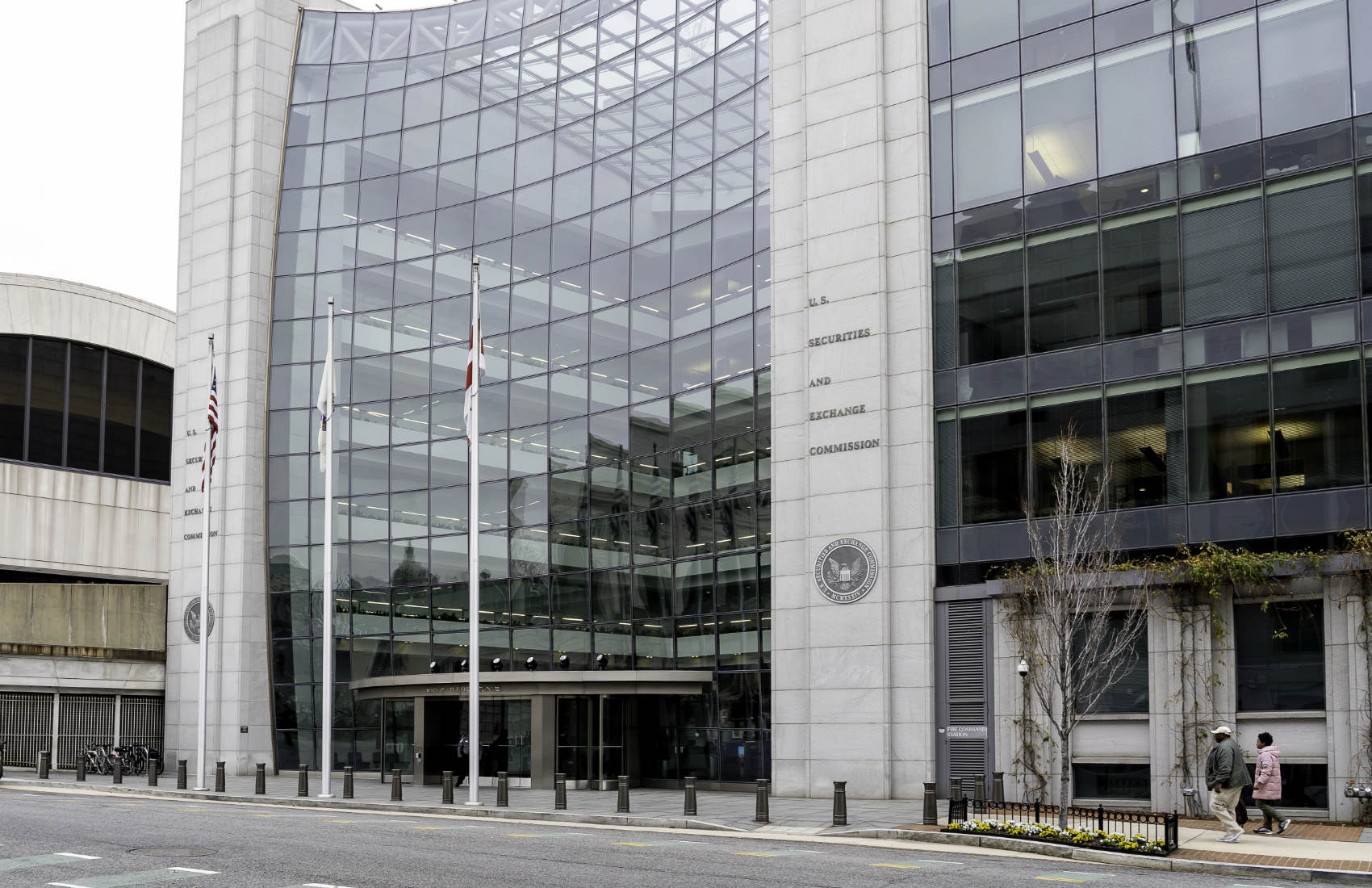
Picture this: broker-dealers, long handcuffed by conservative net capital rules, can now treat certain stablecoins almost like money market funds. The staff won't object to a 2% haircut if the stablecoin has a "ready market" - think deep liquidity, frequent trades, and reliable pricing. This SEC stablecoin capital haircut shift isn't just paperwork; it's a green light for custody, settlement, and even tokenized securities plays. Commissioner Hester M. Peirce nailed it, calling stablecoins essential to blockchain infrastructure. Her backing adds real momentum.

Decoding Rule 15c3-1: From 100% Haircut to 2% Relief
Exchange Act Rule 15c3-1 demands broker-dealers maintain a net capital buffer to cover risks. Previously, crypto assets like stablecoins faced a brutal 100% haircut on proprietary positions, meaning firms had to back every dollar with a full dollar in capital. No wonder stablecoins stayed sidelined. Now, for "payment stablecoins" - those pegged 1: 1 to USD with robust reserves and redemption mechanisms - the SEC staff greenlights a 2% deduction. This mirrors treatment for money market funds, signaling trust in stablecoin stability.
But caveats apply. No netting across positions, and firms must document the "ready market" status. I've traded through volatility spikes; this rule demands rigorous liquidity proofs, like bid-ask spreads under 1% and daily volumes exceeding $100 million. Sloppy compliance? Expect SEC scrutiny. For active traders, this means broker-dealers can now hold larger stablecoin inventories without capital drag, amplifying high-frequency strategies.
Who Qualifies? Defining Payment Stablecoins Under the New Regime
Not every Tether or USDC clone makes the cut. The guidance spotlights "payment stablecoins" designed for transactions, backed by cash equivalents or short-term Treasuries, with daily redemption rights at par. Think Circle's USDC or Paxos' stablecoins with proven track records. Firms must assess minimal credit risk, public transparency on reserves, and exchange listings with tight spreads.
In my trading playbook, this filters for battle-tested issuers. Regulators want evidence of stress-tested pegs - no depegging dramas like 2022. Broker-dealers eyeing USD stablecoin custody regulations should audit reserve reports and run liquidity simulations. Get it right, and you're positioned for tokenized asset booms; botch it, and you're back to square one.
Compliance Roadmap: Steps to Harness the 2% Haircut
First, inventory your stablecoin holdings and classify them. Document everything: reserve attestations, trading volume data, pricing sources. Update internal policies to reflect the FAQ, and train compliance teams on "ready market" tests. I've seen firms pivot fast on rule changes; model your net capital under both old and new scenarios to quantify the unlock - potentially $10B and industry-wide.
Next, integrate risk controls. Stress-test for peg breaks or redemption runs, aligning with Rule 15c3-3 customer protection. Engage legal counsel for FINRA filings if expanding custody. This broker-dealer net capital rule stablecoins evolution demands proactive audits, not reactive fixes.
Layer in tech upgrades too. Blockchain analytics for real-time reserve monitoring and automated haircut calculations will separate winners from laggards. As someone glued to charts daily, I predict firms adopting this swiftly will gain an edge in tokenized securities trading, where stablecoins fuel settlement speed.
Market Ripples: Unlocking Billions and Turbocharging Adoption
This Rule 15c3-1 stablecoin treatment tweak isn't abstract; it's a $10B-plus liquidity bomb. Broker-dealers previously tying up full capital on stablecoin props can now redeploy that into higher-yield activities. Forbes pegs the unlock at billions, fueling custody growth and tokenized bonds. Ledger Insights notes no netting relief yet, so long-short pairs stay segregated, but even that's progress from total exclusion.
Zoom out: stablecoins hit $200B market cap this cycle, with USD variants dominating. This guidance catapults them into broker-dealer balance sheets, bridging TradFi and DeFi. Expect FINRA to follow with custody rules, and CFTC eyeing derivatives. For traders like me, it means tighter spreads on USDC pairs and volume spikes as institutions pile in.
Trading Edges and Risks: Where Charts Meet Regulation
From a chartist's lens, this screams opportunity. Stablecoin volumes already mirror forex majors; now with capital efficiency, broker-dealers amp proprietary desks. Watch for arbitrage pops between on-chain USDC and banked dollars, especially post-Fed cuts. But risks lurk: a peg slip could trigger 100% reversions, slamming net capital.
I've day-traded peg defenses - monitor OI on perps, reserve transparency scores, and redemption queues. Firms should pair this with VaR models tuned for crypto vol. The SEC's "not object" stance buys flexibility, but expect exams grilling documentation. Proactive traders bake in buffers; reactive ones bleed on scrutiny.
Peirce's nod underscores stablecoins as payment rails, not gambles. This positions USD stablecoins for ETF wrappers and RWA tokenization, where 2% haircuts enable scale. Industry voices on Yahoo Finance hail it as adoption rocket fuel. My take: charts confirm - stablecoin depth charts fatten daily, signaling institutional bids.
Bottom line, this FAQ flips the script on stablecoin broker-dealer compliance 2026. Broker-dealers grab it, traders ride the vol, and regulators test boundaries. In crypto's arena, capital rules dictate winners. Listen to the charts - the 2% era just ignited a fresh bull leg for compliant plays.




No comments yet. Be the first to share your thoughts!