The 2026 regulatory landscape for stablecoins
Stablecoins have moved from the shadows of decentralized finance into the center of global financial policy. In 2026, the era of fragmented oversight is ending, replaced by codified frameworks in major economies. This shift transforms stablecoins from speculative crypto-assets into regulated financial instruments subject to strict reserve and transparency requirements.
The United States is approaching finalization of the GENIUS Act, which mandates that stablecoin issuers hold high-quality liquid assets in equal proportion to tokens in circulation. This framework aligns stablecoin regulation with traditional banking standards, requiring regular audits and limiting issuance to regulated financial entities. While the bill’s final text is pending, the trajectory points toward a US-centric model that prioritizes systemic stability and consumer protection over experimental innovation.
Across the Atlantic, the European Union has already implemented the Markets in Crypto-Assets (MiCA) regulation. MiCA establishes a unified rulebook for stablecoin issuance, trading, and offering across all member states. It distinguishes between asset-referenced tokens and e-money tokens, imposing capital requirements and reserve management rules that mirror traditional payment systems. This creates a compliant baseline for issuers operating in Europe, forcing global players to adapt their structures to meet EU standards.
Beyond the US and EU, other jurisdictions are following suit. The UK, Singapore, Hong Kong, and the UAE have introduced or are finalizing their own stablecoin regimes. These frameworks generally mirror the US and EU approaches, focusing on reserve backing, anti-money laundering compliance, and issuer licensing. The result is a global landscape where stablecoin operations are no longer borderless or unregulated, but tightly controlled by national financial authorities.
This convergence of regulations creates a complex but clearer path for compliance. Businesses and users must navigate a patchwork of national rules, but the underlying principles—reserve backing, transparency, and issuer accountability—are becoming universal. As the GENIUS Act and MiCA set the global standard, the stablecoin market is maturing from a niche crypto experiment into a regulated segment of the global financial system.
GENIUS Act implementation details
The GENIUS Act, enacted on July 18, 2025, establishes a federal regulatory framework specifically for payment stablecoins. Under this law, only "permitted payment stablecoin issuers" are authorized to issue stablecoins in the United States. The Act explicitly prohibits any other person or entity from issuing a payment stablecoin within the country. This prohibition is the cornerstone of the new regulatory landscape, designed to limit systemic risk by restricting issuance to entities that meet strict federal standards.
The Treasury Department and the Office of the Comptroller of the Currency (OCC) have been directed to issue implementing regulations. In March 2026, these agencies released proposed rules to define the operational and compliance requirements for issuers. The proposed rule clarifies that the prohibition applies broadly to anyone attempting to issue a payment stablecoin without proper authorization. This ensures that the market remains controlled and that issuers are subject to federal oversight.
The regulatory timeline moves from enactment to rulemaking, and finally to compliance deadlines. The proposed rules released in March 2026 set the stage for the final regulations that will govern the market. Issuers must align their operations with these federal requirements to maintain their permitted status. The framework aims to provide clarity and stability for the stablecoin market while protecting consumers and financial stability.
EU MiCA implementation and reserve rules
Use this section to make the Stablecoin Regulations decision easier to compare in real life, not just on paper. Start with the reader's actual constraint, then separate must-have requirements from details that are merely nice to have. A practical choice should survive normal use, maintenance, timing, and budget. If a recommendation only works in an ideal situation, call that out plainly and give the reader a fallback path.
The simplest way to use this section is to write down the must-have criteria first, then compare each option against those criteria before weighing nice-to-have features.
Comparing global stablecoin compliance standards
Stablecoin regulation in 2026 has fragmented into distinct jurisdictional approaches. While the goal of financial stability is universal, the mechanisms for achieving it differ significantly across major markets. Issuers must navigate these varying requirements to operate legally in multiple regions.
The table below outlines the primary regulatory frameworks in five key jurisdictions. These standards cover reserve backing, licensing structures, and reporting obligations as of 2026.
| Jurisdiction | Reserve Standard | Licensing Model | Reporting Frequency |
|---|---|---|---|
| United States | High-quality liquid assets (HQLA) | Federal or state charter (GENIUS Act) | Monthly attestations |
| European Union | Backed by cash or HQLA | E-Money Institution (EMIA) | Quarterly audits |
| United Kingdom | Backed by cash or HQLA | FCA authorization | Quarterly audits |
| Singapore | 100% cash or HQLA | Payment Services Act license | Monthly attestations |
| Hong Kong | 100% cash or HQLA | VASP license (Octopus) | Monthly attestations |
The US approach under the GENIUS Act emphasizes federal oversight with strict asset quality standards. In contrast, the EU’s MiCA regulation provides a harmonized framework for all member states, relying on quarterly audits rather than monthly attestations. The UK has adopted a similar reserve standard to the EU but maintains its own FCA authorization process.
Singapore and Hong Kong have moved faster on licensing clarity. Both jurisdictions require 100% backing by high-quality liquid assets and mandate monthly attestations. This stricter reporting frequency is designed to provide real-time transparency to regulators and users. Issuers targeting Asian markets must prepare for more frequent disclosure requirements than those in Europe.
Compliance checklist for stablecoin issuers
Issuers must align their operational frameworks with the GENIUS Act and MiCA requirements to maintain market access in 2026. This checklist outlines the mandatory steps for reserve management, regulatory licensing, and ongoing reporting.

Maintain full backing of issued tokens with high-quality liquid assets. Conduct monthly attestations or quarterly audits by independent third-party firms. Publish these reports publicly to ensure reserve transparency and build user trust.
Obtain the necessary regulatory licenses in all target jurisdictions. In the US, this may involve filing with the OCC or state money transmitter licenses. In the EU, registration under MiCA is mandatory. Ensure your legal entity structure supports these obligations.

Deploy robust anti-money laundering (AML) and know-your-customer (KYC) protocols for all issuers and redeemers. Integrate blockchain analytics tools to monitor transaction flows. Report suspicious activities to relevant financial intelligence units as required by local law.
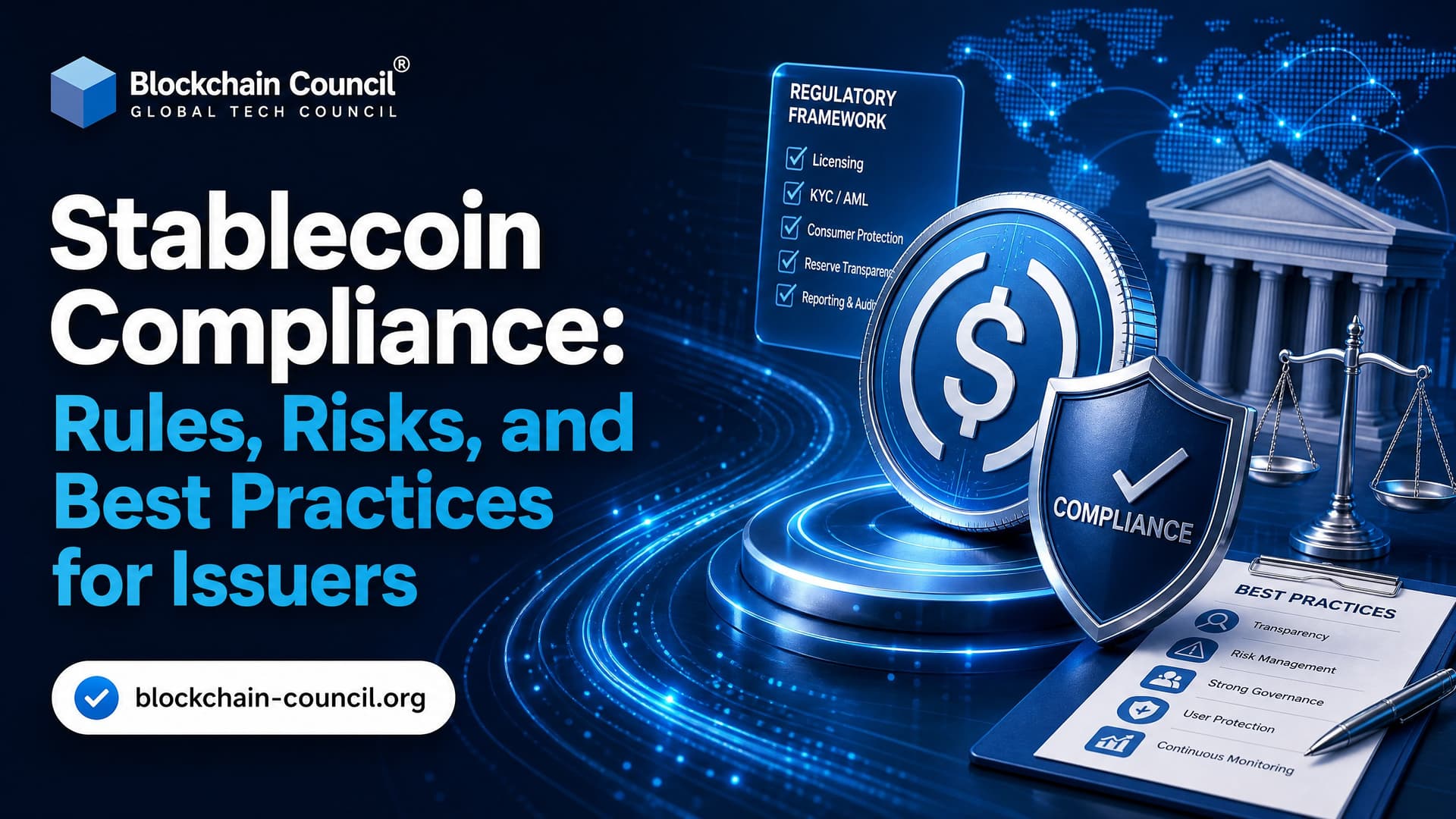
Guarantee instant, frictionless redemption of stablecoins for fiat currency at par value. Provide clear terms of service outlining the redemption process. Ensure sufficient liquidity reserves are maintained to meet potential redemption demands without delay.
Submit periodic compliance reports to relevant authorities. This includes reserve attestations, AML transaction reports, and operational risk assessments. Keep detailed records of all governance decisions and policy updates for audit trails.
Adhering to this checklist ensures that stablecoin issuers meet the 2026 regulatory standards for reserve audits, licensing, and reporting. Regular reviews and updates to compliance procedures are essential as regulations evolve.
No comments yet. Be the first to share your thoughts!