
Stablecoin regulations 2026
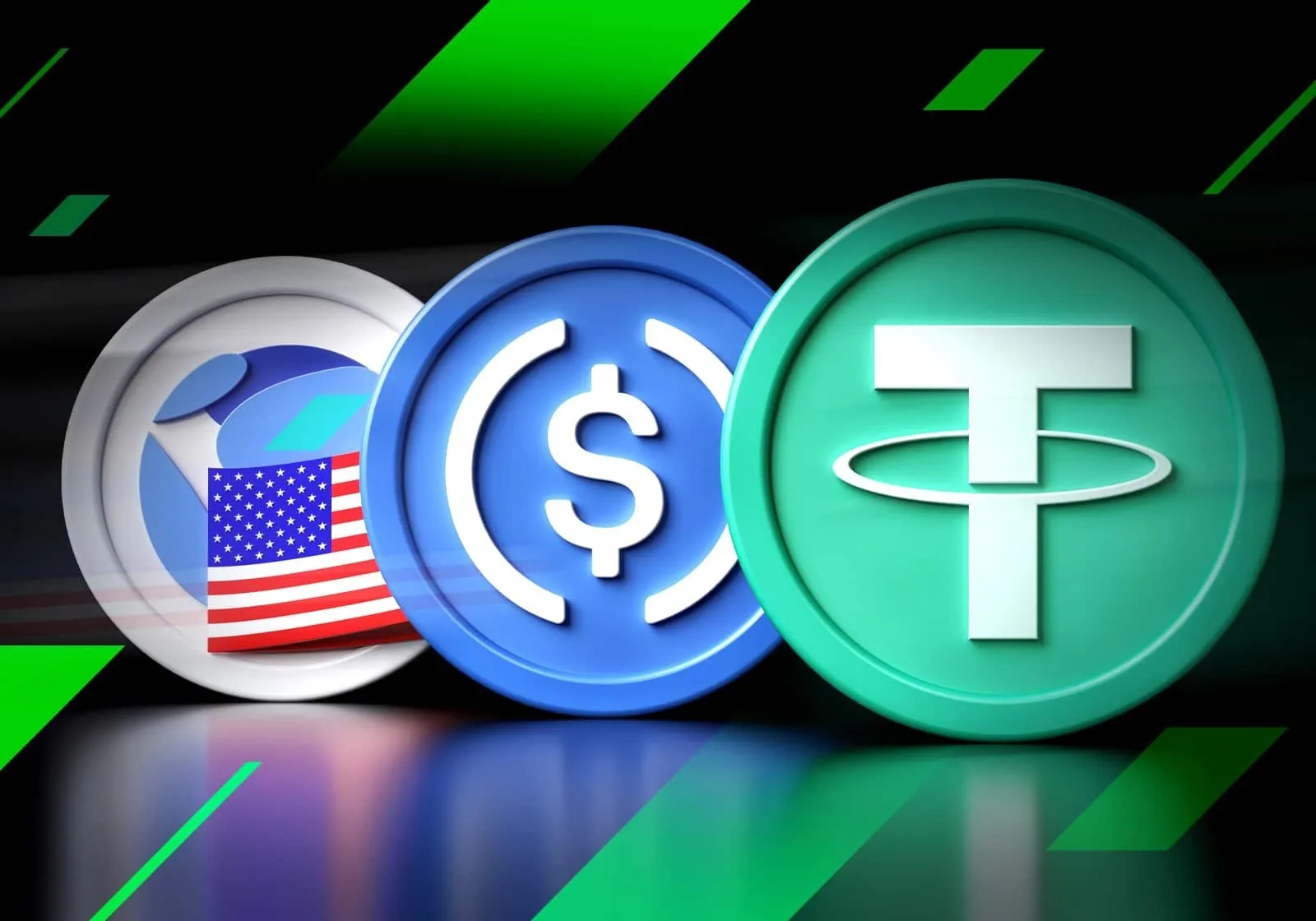
Stablecoin regulations in 2026 are defined by two distinct legal frameworks: the European Union’s Markets in Crypto-Assets (MiCA) regulation and the United States’ GENIUS Act. MiCA has been fully operational since December 2024, establishing a comprehensive baseline for asset-referenced and e-money tokens across the EU. In the US, the General Establishing National Innovation for US Stablecoins (GENIUS) Act, enacted in July 2025, creates a federal framework for payment stablecoins, prohibiting non-permitted entities from issuing them.
The core tradeoff lies in jurisdictional scope and issuer eligibility. Under MiCA, stablecoin issuers must maintain high-quality reserve assets and undergo regular audits, with strict limits on transaction volumes for larger issuers. The US framework, overseen by the OCC and Federal Reserve, focuses on reserve transparency and bank-like custody requirements for issuing institutions. Compliance costs are significant, favoring large financial institutions over smaller crypto-native projects.
For businesses operating globally, this dual-regime environment requires careful mapping of where stablecoins are issued versus where they are used. MiCA’s passporting rights allow EU-compliant issuers to operate across the bloc, while US issuers face a more fragmented state-level landscape despite federal preemption. Understanding these differences is essential for maintaining legal operations in 2026.
Stablecoin regulations 2026 choices that change the plan
The Stablecoin Compliance works best as a clear sequence: define the constraint, compare the realistic options, test the tradeoff, and choose the path with the fewest hidden costs. That order keeps the advice usable instead of decorative. After each step, pause long enough to check whether the recommendation still fits the reader's actual situation. If it depends on perfect timing, unusual access, or a best-case budget, include a simpler fallback.
| Factor | What to check | Why it matters |
|---|---|---|
| Fit | Match the option to the primary use case. | A good deal still fails if it does not fit the job. |
| Condition | Verify age, wear, and service history. | Hidden condition issues erase upfront savings. |
| Cost | Compare purchase price with likely upkeep. | The cheapest option is not always the lowest-cost option. |
Choose the next step
The Stablecoin Compliance works best as a clear sequence: define the constraint, compare the realistic options, test the tradeoff, and choose the path with the fewest hidden costs. That order keeps the advice usable instead of decorative. After each step, pause long enough to check whether the recommendation still fits the reader's actual situation. If it depends on perfect timing, unusual access, or a best-case budget, include a simpler fallback.

Spotting Weak Stablecoin Options
Not all compliant stablecoins offer the same value. While regulatory approval provides a baseline of legitimacy, it does not guarantee operational reliability or liquidity. Users often mistake a valid license for a guarantee of performance, overlooking critical structural weaknesses in reserve management or redemption mechanics.
The GENIUS Act’s recent implementation highlights where many projects fall short. Issuers must now demonstrate strict reserve segregation and real-time auditability. Projects that rely on opaque commercial paper or delayed settlement windows fail this new standard, even if they technically hold a license. This distinction separates robust payment rails from fragile financial instruments.
When evaluating options, prioritize transparency over marketing. Look for issuers publishing daily reserve attestations and offering instant, low-cost redemptions. Avoid platforms that obscure their custodial partners or impose arbitrary withdrawal limits. In a high-stakes regulatory environment, clarity is the only reliable safety net.
No comments yet. Be the first to share your thoughts!