
Stablecoin regulations 2026: Compliance guide
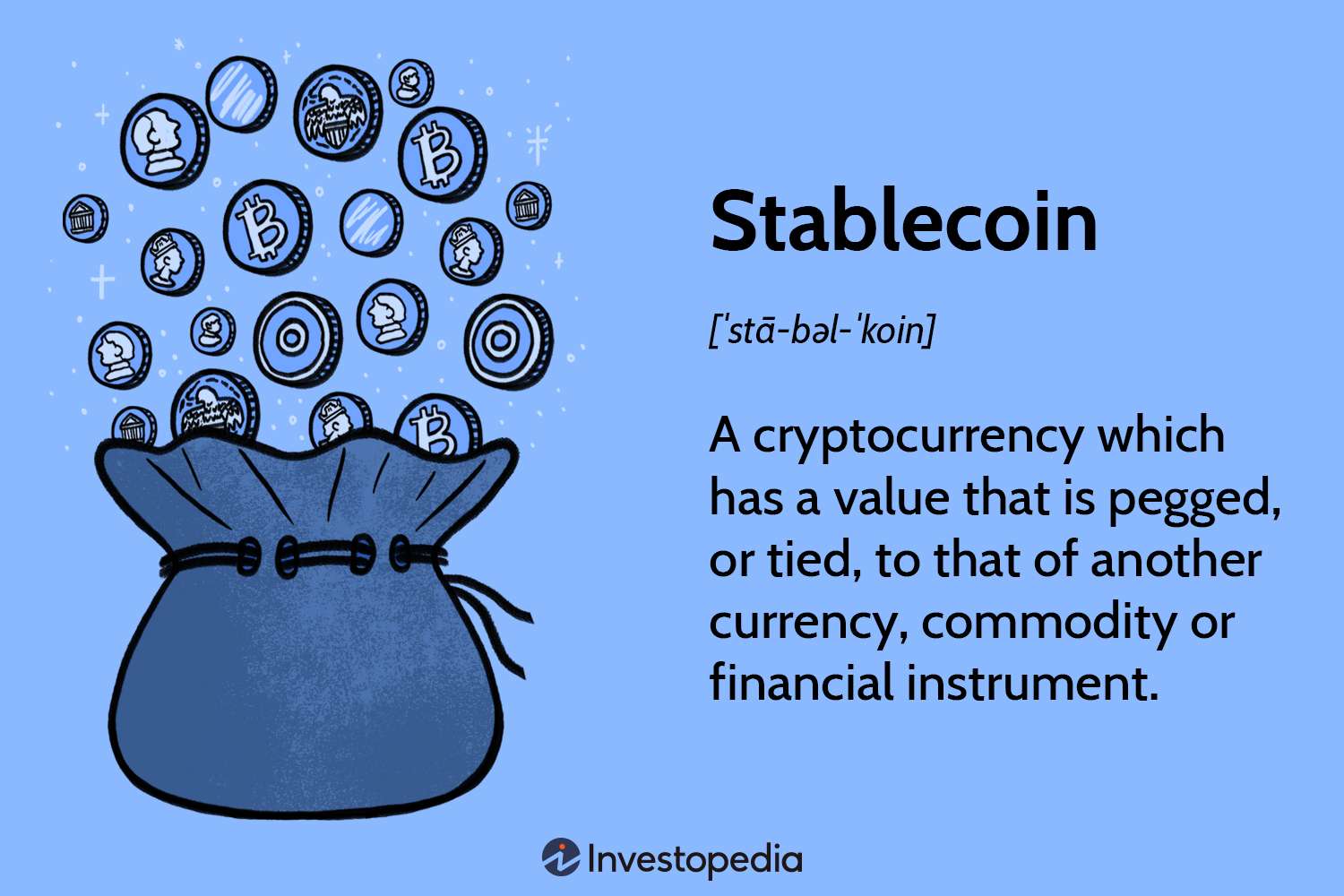
Before launching a stablecoin or integrating one into your operations, you must comply with the regulatory landscape established by the GENIUS Act and corresponding US Treasury rules. These regulations shift the burden of proof from the user to the issuer, requiring strict adherence to reserve and disclosure standards.
The primary requirement is ensuring your asset is a "permitted payment stablecoin." Under the GENIUS Act, only entities that meet specific federal or state charter requirements can issue stablecoins intended for payments. Issuing a payment stablecoin without this permission is prohibited.
You also need to verify your reserve composition. The rules mandate that reserves backing the stablecoin are held in low-risk assets, such as cash or short-term US Treasury securities. These reserves must be fully backed at all times and subject to regular, independent audits. Failure to maintain these reserves can lead to severe penalties.
Finally, confirm your compliance infrastructure. This includes implementing robust anti-money laundering (AML) and know-your-customer (KYC) protocols. You must be able to demonstrate to regulators that you can track transactions and identify users. Starting without these checks in place will likely result in regulatory action or project failure.
Work through the steps
Stablecoin Regulations works best as a clear sequence: define the constraint, compare the realistic options, test the tradeoff, and choose the path with the fewest hidden costs. That order keeps the advice usable instead of decorative. After each step, pause long enough to check whether the recommendation still fits the reader's actual situation. If it depends on perfect timing, unusual access, or a best-case budget, include a simpler fallback.

Fix common mistakes
The 2026 regulatory landscape for stablecoins is strict, and small compliance oversights can lead to significant penalties or operational shutdowns. Under the GENIUS Act and emerging US federal rules, issuers must adhere to precise reserve and reporting standards. The following errors are the most common causes of non-compliance.
Mistake: Treating all assets as equal reserves Issuers often assume that any liquid asset in their reserve wallet satisfies regulatory requirements. This is incorrect. The GENIUS Act generally requires reserves to be held in specific, low-risk instruments like short-term US Treasury securities or cash in insured deposit accounts. Holding unbacked crypto tokens or corporate bonds in reserves violates the act’s safety mandates.
Mistake: Ignoring state-level money transmitter licenses Many issuers focus solely on federal registration and neglect state-specific requirements. While the GENIUS Act preempts some state laws, issuers must still comply with money transmitter licensing in states that have not yet aligned with federal standards. Failure to secure these licenses can result in cease-and-desist orders in major markets like New York or California.
Mistake: Delaying monthly attestation reports Regulatory bodies require timely, independent attestations of reserve levels. Issuers who batch these reports or use non-approved auditors risk losing their permitted status. The Federal Register’s proposed rules emphasize that attestations must be monthly and conducted by licensed public accountants.
Mistake: Assuming cross-border stability Issuers operating in the EU and US often assume their US reserves cover global obligations. This is a critical error. EU regulations under MiCA require separate, ring-fenced reserves for euro-pegged stablecoins. Mixing these funds violates both jurisdictions’ segregation rules.
Stablecoin regulations 2026: what to check next
These answers address common misconceptions about stablecoin regulations and market dynamics in 2026.
Is XRP considered a stablecoin?
No. XRP is a volatile digital asset designed for cross-border settlement, not a stablecoin. Unlike USDC or USDT, it does not maintain a peg to a fiat currency like the US dollar. Its value fluctuates based on market supply and demand.
What are the top 3 stablecoins?
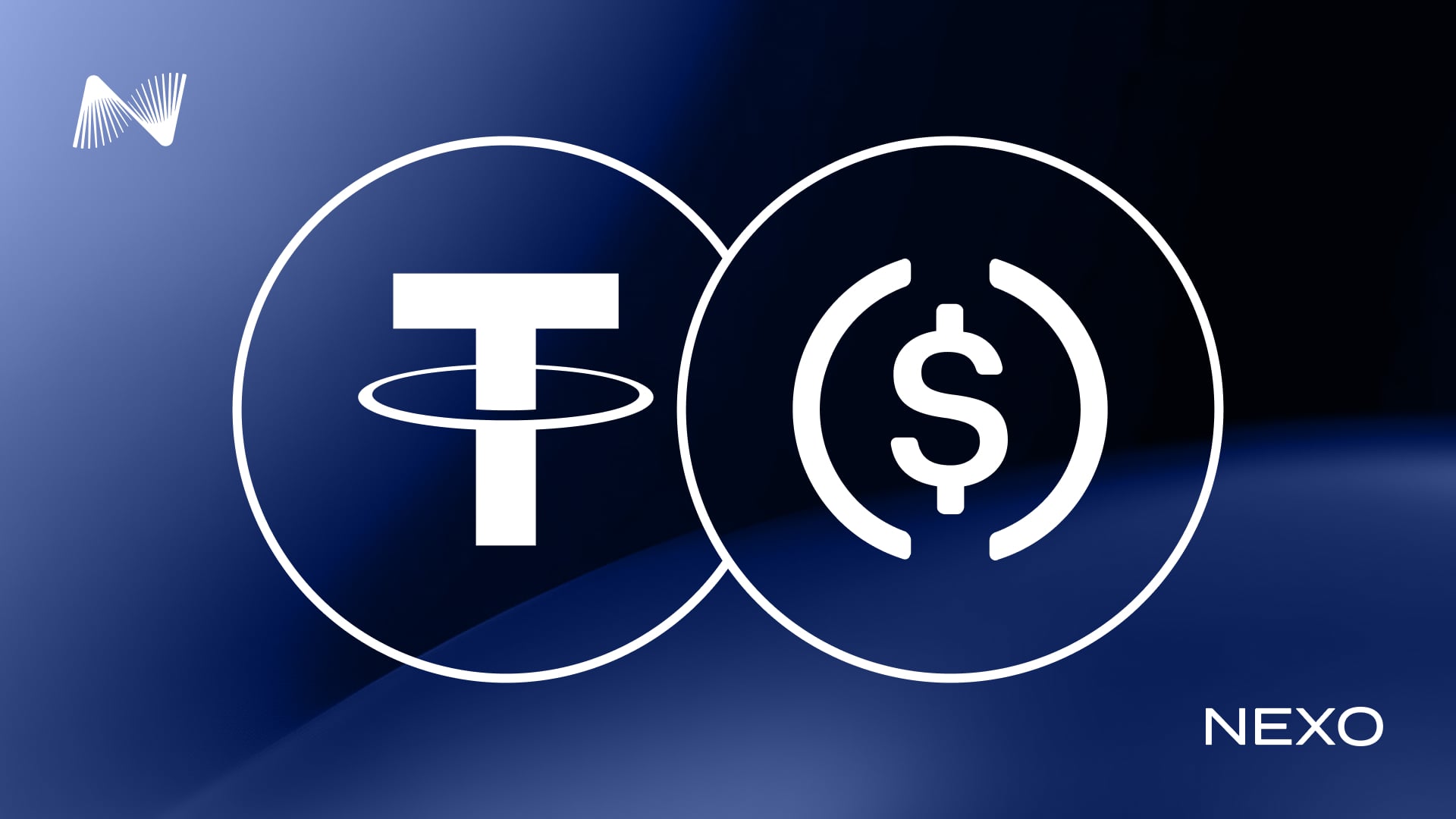
By market capitalization and trading volume, the top three are Tether (USDT), USD Coin (USDC), and DAI. USDT and USDC are centralized, while DAI is decentralized. All three face stricter reserve audits under the new 2026 regulatory frameworks.
Why are banks against stablecoin?
Banks worry about disintermediation and regulatory arbitrage. Stablecoins can bypass traditional banking rails, reducing deposit growth for banks. The GENIUS Act now requires stablecoin issuers to partner with regulated banks, addressing this friction.
Will stablecoin replace USD?
Unlikely. Stablecoins are digital representations of the USD, not replacements. They rely on the US dollar’s stability. New rules aim to integrate them into the existing financial system rather than supplanting fiat currency.
No comments yet. Be the first to share your thoughts!