
Stablecoin regulations 2026
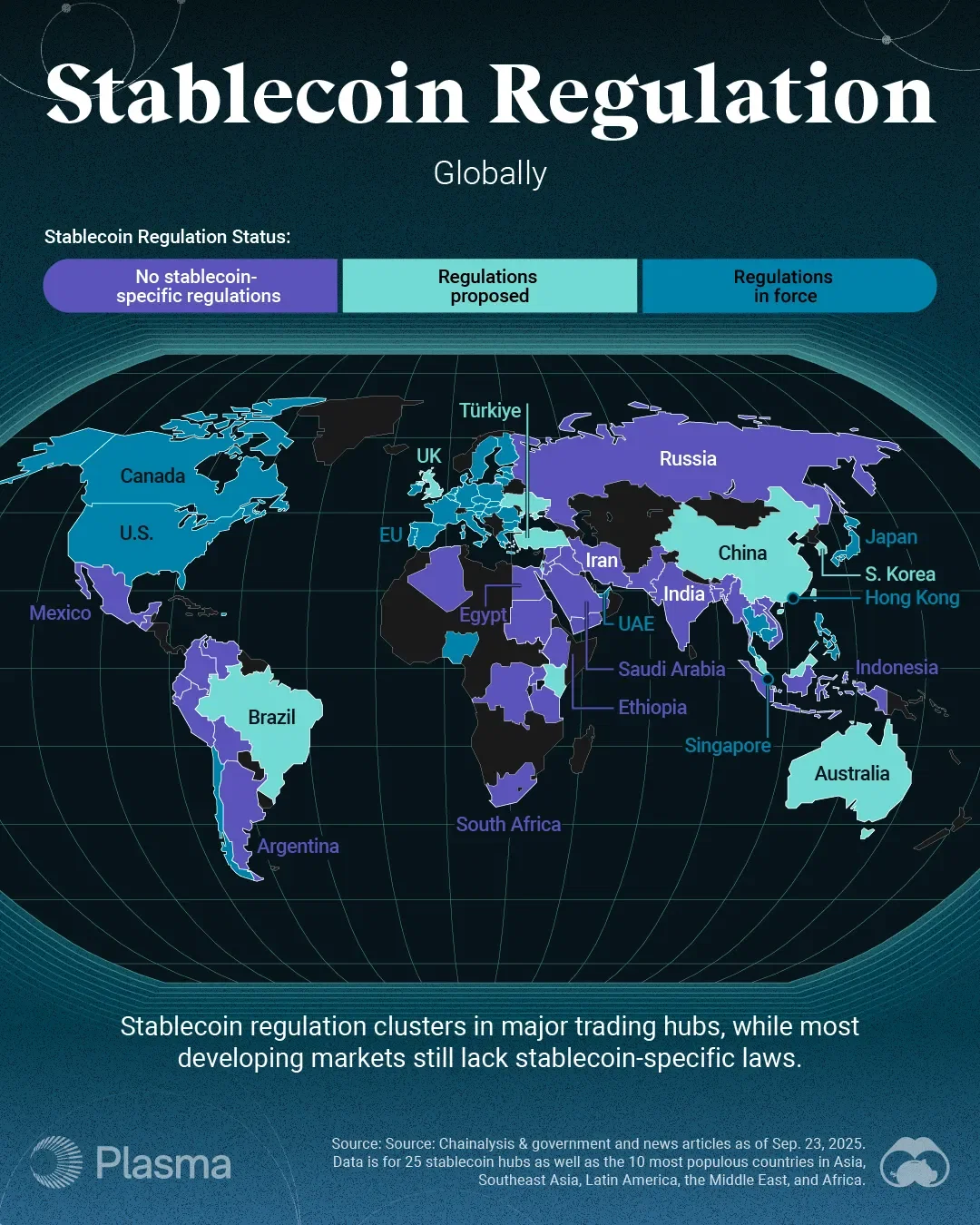
The regulatory landscape for digital assets is shifting from broad proposals to enforceable frameworks. In the United States, the GENIUS Act, enacted in July 2025, has triggered the first wave of formal rulemaking. The Office of the Comptroller of the Currency (OCC) recently published a notice of proposed rulemaking to implement the act, which generally prohibits any person other than a permitted payment stablecoin issuer from issuing a payment stablecoin in the United States [src-serp-2].
Simultaneously, the European Union’s Markets in Crypto-Assets (MiCA) regulation is now fully operational. MiCA sets strict reserve and governance standards for stablecoin issuers operating within the EU, creating a de facto global standard that US-based firms often adopt to maintain international access. The Federal Register has published proposed rules aligning US federal oversight with these international expectations, signaling a move toward harmonized compliance [src-serp-1].
For issuers, the 2026 focus is on reserve transparency and licensing. The proposed US rules require detailed disclosures on the composition of reserve assets and regular attestation reports. Failure to comply with these new federal and regional mandates can result in significant penalties or loss of operating licenses. Organizations must now treat regulatory compliance as a core operational function rather than a peripheral legal check.
Stablecoin regulations 2026: jurisdictional choices that change the plan
Compliance with the 2026 stablecoin regime is not a binary choice between two identical frameworks. The EU’s Markets in Crypto-Assets (MiCA) regulation and the US federal framework established by the GENIUS Act offer distinct paths for issuers. Each jurisdiction prioritizes different aspects of market integrity, creating specific tradeoffs for global operators. Understanding these structural differences is essential for determining where to anchor your compliance infrastructure.
The core tension lies between MiCA’s comprehensive asset coverage and the US’s narrower, bank-centric approach. MiCA applies to all asset-referenced and e-money tokens, imposing strict reserve and governance requirements across the board. The US framework, enacted via the GENIUS Act in July 2025, focuses primarily on payment stablecoins issued by permitted entities, largely excluding non-bank issuers from the federal lane [src-serp-2]. This creates a fragmented landscape where US-based issuers face a high barrier to entry but potentially clearer federal preemption, while EU issuers face a broader but more detailed regulatory set.
Reserve management and redemption rights further differentiate the two regimes. Under MiCA, stablecoin issuers must maintain high-quality liquid assets in segregated accounts, with redemption rights guaranteed at par value. The US Treasury’s proposed rules for the GENIUS Act emphasize transparency in reserve composition and require regular audits, but they allow for more flexibility in the types of assets held, provided they meet strict liquidity standards [src-serp-3]. For issuers, this means balancing the cost of maintaining ultra-liquid reserves against the marketing value of "full backing" claims.
To evaluate these tradeoffs, consider the following comparison of key compliance factors:
| Factor | EU MiCA | US GENIUS Act | Compliance Impact |
|---|---|---|---|
| Scope | All ARTs and EMTs | Payment stablecoins only | US limits federal lane to specific issuers |
| Issuer Type | Any qualified entity | Banks or regulated non-banks | Higher barrier to entry in US |
| Reserve Assets | High-quality liquid assets | Liquid assets per Treasury rules | US allows more asset diversity |
| Redemption | Guaranteed at par | Guaranteed at par | Similar consumer protection |
| Governance | Strict ESMA oversight | Federal preemption | US reduces state-level fragmentation |
The choice of jurisdiction will significantly influence your operational costs and market reach. If your primary goal is broad asset coverage and access to the EU market, MiCA provides a clear, albeit rigorous, path. If you prioritize federal clarity and a narrower focus on payment functionality within the US, the GENIUS Act framework offers a more targeted route, though with stricter issuer eligibility. Evaluating these factors against your business model will determine the most efficient compliance strategy for 2026.
How to align your stablecoin operations with 2026 rules
The regulatory landscape for stablecoins has shifted from guidance to binding law. In the United States, the GENIUS Act (enacted July 2025) and its subsequent proposed rules from the OCC and Federal Register create a strict licensing regime for payment stablecoins. Simultaneously, the EU’s Markets in Crypto-Assets (MiCA) regulation is fully enforceable, demanding reserve transparency and passporting rights.
Compliance is no longer optional; it is a binary gate. Issuers must choose a primary jurisdiction or secure dual authorizations. The following steps outline the practical framework for evaluating your current status against these new requirements.

Before addressing technical reserve requirements, you must establish where your entity is legally domiciled. If you operate in the US, you must assess whether you qualify as a permitted payment stablecoin issuer under the GENIUS Act. The proposed rules (Federal Register, March 2026) restrict issuance to specific banking or monetary authorities. If you are EU-based, MiCA requires you to obtain authorization from your home member state to operate across the single market.
Both frameworks demand high-quality liquid assets (HQLA). Under US proposed rules, reserves must primarily consist of cash and short-term US Treasury securities. The EU requires a clear separation between reserve assets and issuer liabilities, with strict limits on non-cash assets. Verify that your custodian is a regulated entity and that your reserves are ring-fenced to prevent commingling with operational funds.

Static annual reports are insufficient. The US GENIUS Act rules propose near-real-time or frequent public disclosures of reserve levels. The EU’s MiCA requires monthly attestation by an approved independent auditor. Implement infrastructure that can generate these reports automatically to avoid the risk of non-compliance due to administrative lag.
If you do not meet the criteria for a full payment stablecoin license, consider if your token qualifies as an asset-referenced token (ART) or e-money token (EMT) under MiCA, or if you fall under a specific exemption in US proposed rules. Operating without proper classification is a primary enforcement target for regulators in both jurisdictions.
-
Verify issuer status under GENIUS Act proposed rules
-
Confirm reserve assets meet HQLA standards
-
Set up monthly attestation workflows
-
Review cross-border passporting requirements
Watch for weak compliance options in 2026
The 2026 regulatory landscape for stablecoins is defined by two major frameworks: the EU’s Markets in Crypto-Assets (MiCA) regulation and the US GENIUS Act. While these laws create clearer pathways for legitimate issuers, they also introduce specific traps for projects that misinterpret their obligations.
A common mistake is assuming that "stablecoin" is a single legal category. Under the GENIUS Act, only payment stablecoins are permitted for issuance by non-bank entities. Any attempt to issue a stablecoin that functions as a security or utility token under US law without proper registration is prohibited. Similarly, MiCA distinguishes sharply between Asset-Referenced Tokens (ARTs) and Electronic Money Tokens (EMTs). Treating an ART like an EMT can lead to severe penalties for failing to maintain adequate reserve assets.
Another weak option is relying on outdated reserve attestations. Both regulators now require real-time transparency and regular, independent audits. Projects that publish quarterly reports instead of continuous proof of reserves are falling out of compliance. Always verify that your reserve structure meets the specific liquidity requirements of the jurisdiction you are targeting, rather than applying a generic "best practice" that may not hold up in an audit.
Stablecoin regulations 2026: common: what to check next
The regulatory landscape for stablecoins has shifted significantly in 2026. With the EU’s MiCA fully enforced and the US GENIUS Act taking shape, compliance is no longer optional for issuers. Below are the most practical questions readers ask about these frameworks.
These regulations mark a turning point for the stablecoin industry. Compliance costs are rising, but so is institutional trust. Issuers who adapt early will find themselves better positioned for global expansion.
No comments yet. Be the first to share your thoughts!