Stablecoin regulations 2026
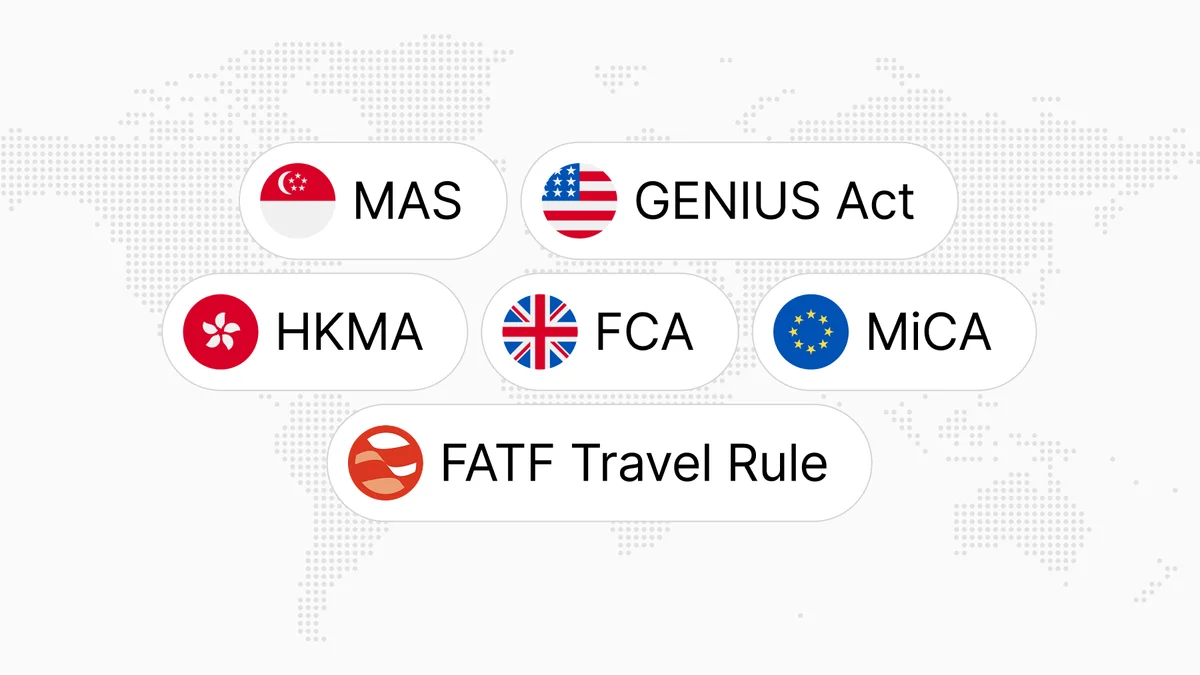
The regulatory landscape for stablecoins is shifting from broad proposals to enforceable rules. In 2026, compliance depends on navigating two distinct frameworks: the EU’s Markets in Crypto-Assets (MiCA) regulation and the United States’ emerging federal and state laws. Both regimes prioritize reserve transparency and consumer protection, but they apply different standards for issuance and cross-border operations.
In the EU, MiCA provides a unified license for stablecoin issuers across all member states. Issuers must maintain full reserve backing and publish regular attestations. In the US, the GENIUS Act, enacted in July 2025, prohibits unpermitted entities from issuing payment stablecoins. The Office of the Comptroller of the Currency (OCC) has issued proposed rules to implement this act, focusing on reserve requirements and redemption rights [src-serp-2].
Compliance is no longer optional for global operators. Entities must decide whether to pursue an EU MiCA license, a US federal charter, or navigate specific state money transmitter laws. The tradeoff involves balancing regulatory access against operational complexity. Understanding these jurisdictional differences is essential for any stablecoin project aiming to operate legally in 2026.
Stablecoin regulations 2026 choices that change the plan
Use this section to make the Stablecoin Regulations decision easier to compare in real life, not just on paper. Start with the reader's actual constraint, then separate must-have requirements from details that are merely nice to have. A practical choice should survive normal use, maintenance, timing, and budget. If a recommendation only works in an ideal situation, call that out plainly and give the reader a fallback path.
| Factor | What to check | Why it matters |
|---|---|---|
| Fit | Match the option to the primary use case. | A good deal still fails if it does not fit the job. |
| Condition | Verify age, wear, and service history. | Hidden condition issues erase upfront savings. |
| Cost | Compare purchase price with likely upkeep. | The cheapest option is not always the lowest-cost option. |
Choose the next step
Stablecoin Regulations works best as a clear sequence: define the constraint, compare the realistic options, test the tradeoff, and choose the path with the fewest hidden costs. That order keeps the advice usable instead of decorative. After each step, pause long enough to check whether the recommendation still fits the reader's actual situation. If it depends on perfect timing, unusual access, or a best-case budget, include a simpler fallback.
Spotting Weak Compliance Options
Global stablecoin compliance is not a single checklist. The EU’s MiCA and US state laws create different traps. Many projects pick the path of least resistance, which often means ignoring conflicting rules. Here are the most common mistakes that weaken your position.
Ignoring the US GENIUS Act’s Issuer Ban
The US GENIUS Act, enacted July 18, 2025, prohibits anyone other than a permitted payment stablecoin issuer from issuing a payment stablecoin in the United States [src-serp-2]. A common mistake is assuming state-level licensing is enough. It is not. The proposed rule from March 2, 2026, makes it clear: if you target US users, you need federal-level permission [src-serp-1]. Relying on scattered state licenses is a weak option that regulators are actively closing.
Treating MiCA as a Global Shield
MiCA is powerful in the EU, but it does not grant automatic global compliance. Many projects assume that being "MiCA-compliant" satisfies all other jurisdictions. This is false. The EU’s passporting rights do not extend to the US or other major markets. If you use MiCA as your only compliance framework, you are leaving yourself exposed to enforcement actions in other regions. Treat MiCA as one piece of the puzzle, not the whole board.
Overlooking State-Level Money Transmitter Laws
Even if you avoid federal stablecoin rules, US state laws still apply. Most states require Money Transmitter Licenses (MTLs) for stablecoin transactions. Many projects ignore this, assuming their token is not a security or payment instrument. It is. Operating without state MTLs is a frequent mistake that leads to cease-and-desist orders. Check your jurisdictional footprint carefully.
Stablecoin regulations 2026: what to check next
The regulatory landscape for stablecoins has shifted from theoretical frameworks to enforceable rules in 2026. With the EU’s MiCA fully operational and the US implementing the GENIUS Act, compliance is no longer optional for issuers or payment providers. Readers often confuse asset classes or misunderstand the scope of these laws. The following questions address the most common practical objections and clarify the distinctions between different digital assets.
No comments yet. Be the first to share your thoughts!