Check the official ESMA register
The European Securities and Markets Authority (ESMA) maintains the single, authoritative list of authorized crypto-asset service providers and issuers under the Markets in Crypto-Assets Regulation (MiCA). Relying on third-party blogs, outdated directories, or general search results for compliance status introduces unnecessary risk. The register is the only source that reflects real-time regulatory approvals and enforcement actions across the EU.
To verify a stablecoin issuer's compliance, follow this sequence to locate the correct entry in the ESMA database.
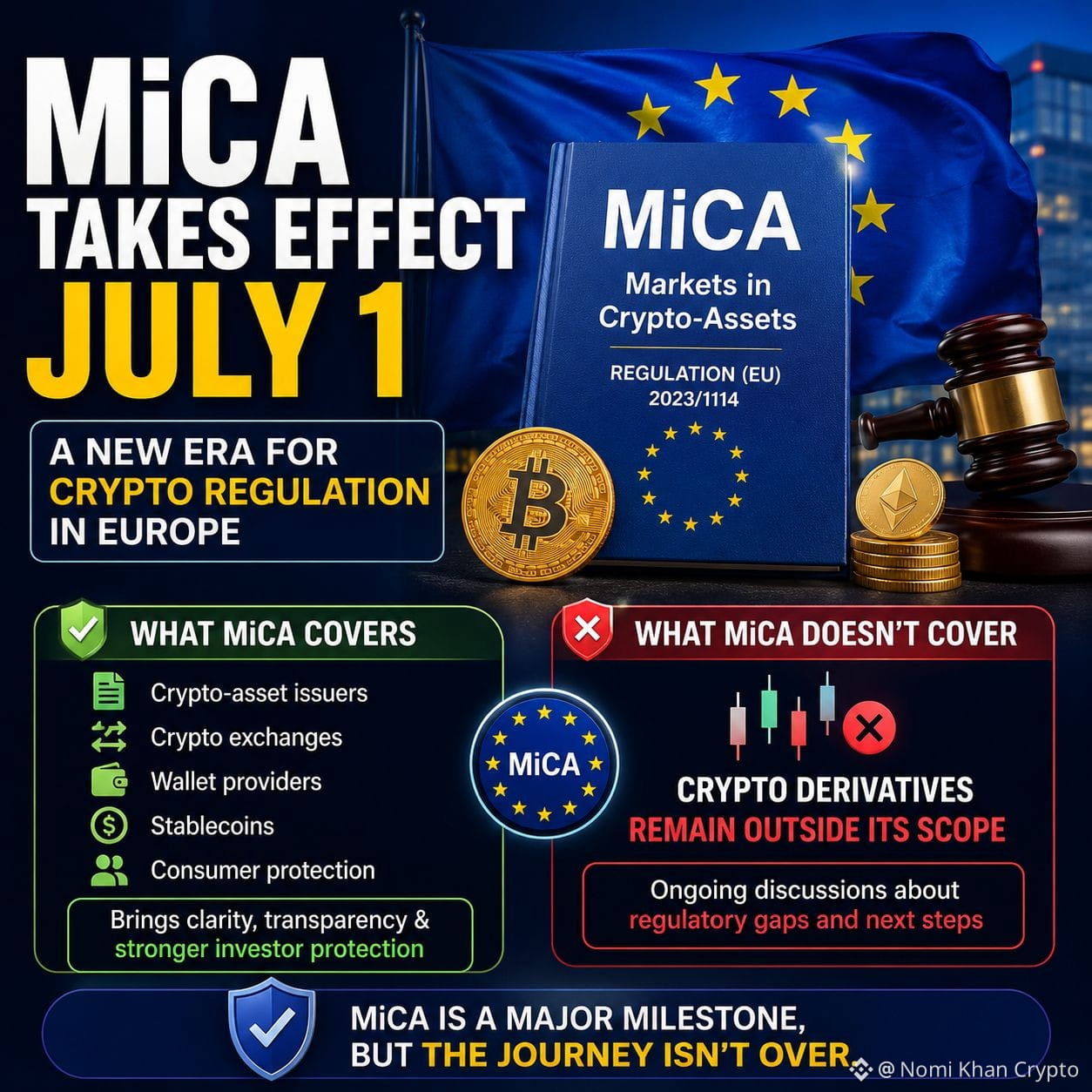
Go directly to the ESMA MiCA page at esma.europa.eu. Do not use generic search engines to find issuer lists, as results may point to expired or unofficial registries. Look for the section titled "Markets in Crypto-Assets Regulation (MiCA)" to access the official portal.
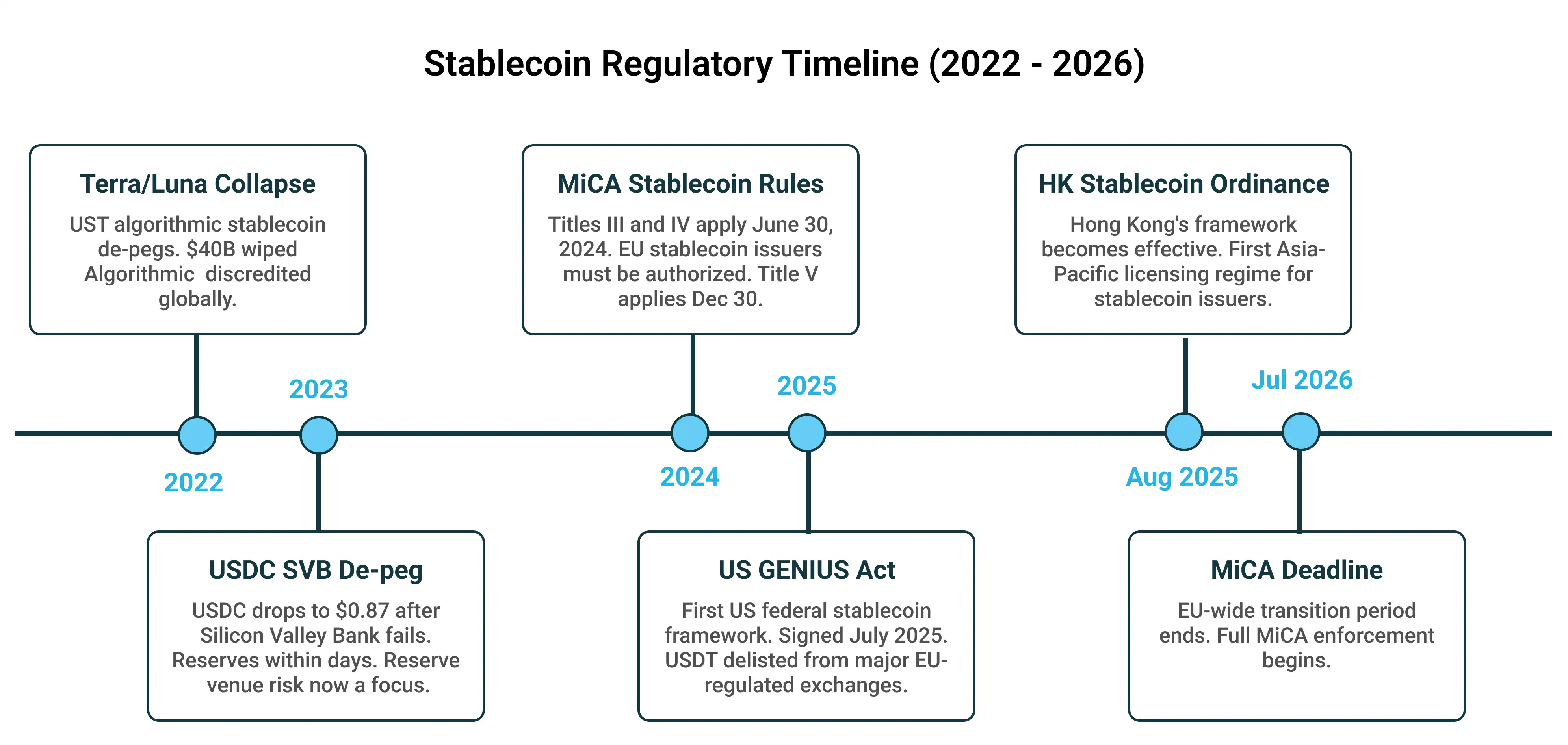
Within the portal, find the dedicated table or list for authorized crypto-asset issuers. ESMA updates this list as new entities receive approval or existing ones lose their status. Ensure you are viewing the latest version, as older PDFs or cached pages may not reflect recent regulatory changes.
Search for the specific stablecoin issuer by name. Verify that their registration is active and that the stablecoin in question is explicitly listed under their authorized portfolio. If the issuer is missing or marked as inactive, the stablecoin is not currently compliant with MiCA requirements.
This register acts as the final check for any entity claiming MiCA compliance. If an issuer is not listed here, no amount of marketing material or third-party certification can override that absence. Always cross-reference the official ESMA list before trusting any compliance claims.
Review reserve asset requirements
MiCA separates stablecoins into two categories, each with distinct reserve rules. You must verify that the issuer holds the correct assets for the token type before launching or operating in the EU.
E-Money Tokens (EMTs)
EMTs are pegged to a single official currency. They require a 100% reserve of that specific currency or equivalent cash-like assets. The reserve must be held in segregated accounts to protect holders if the issuer fails. You can use the table below to compare these requirements against Asset-Referenced Tokens.
| Feature | EMT | ART |
|---|---|---|
| Reserve Peg | Single official currency | Basket of assets |
| Asset Composition | Cash, deposits, high-quality sovereign debt | Diversified assets |
| Segregation | Strict segregation required | Strict segregation required |
| Risk Management | Minimal risk tolerance | High risk tolerance |
Asset-Referenced Tokens (ARTs)
ARTs track a basket of assets or other value. Their reserves are more complex, allowing for diversified holdings. However, the rules demand strict risk management to ensure the basket maintains its value. You must audit the asset mix regularly to ensure it meets MiCA standards.
Key compliance steps
- Identify the token type (EMT or ART).
- Verify the reserve composition matches the category.
- Confirm segregated account structures.
- Audit risk management protocols.
Failure to meet these requirements can result in significant penalties. Always consult the latest official guidelines to ensure full compliance.
Confirm national authorization status
MiCA is an EU-wide regulation, but the actual licensing and enforcement happen at the national level. Each member state designates a competent authority to review applications and grant the necessary authorization. For example, issuers must secure approval from the ACPR in France or BaFin in Germany before they can operate legally within those jurisdictions.
To verify a stablecoin issuer’s status, you must identify the specific regulator in the country where the issuer is established. The European Banking Authority (EBA) maintains a public register of authorized crypto-asset service providers, but cross-referencing with the national authority’s own registry is the most reliable method. This ensures you are looking at the most current enforcement actions and license conditions.
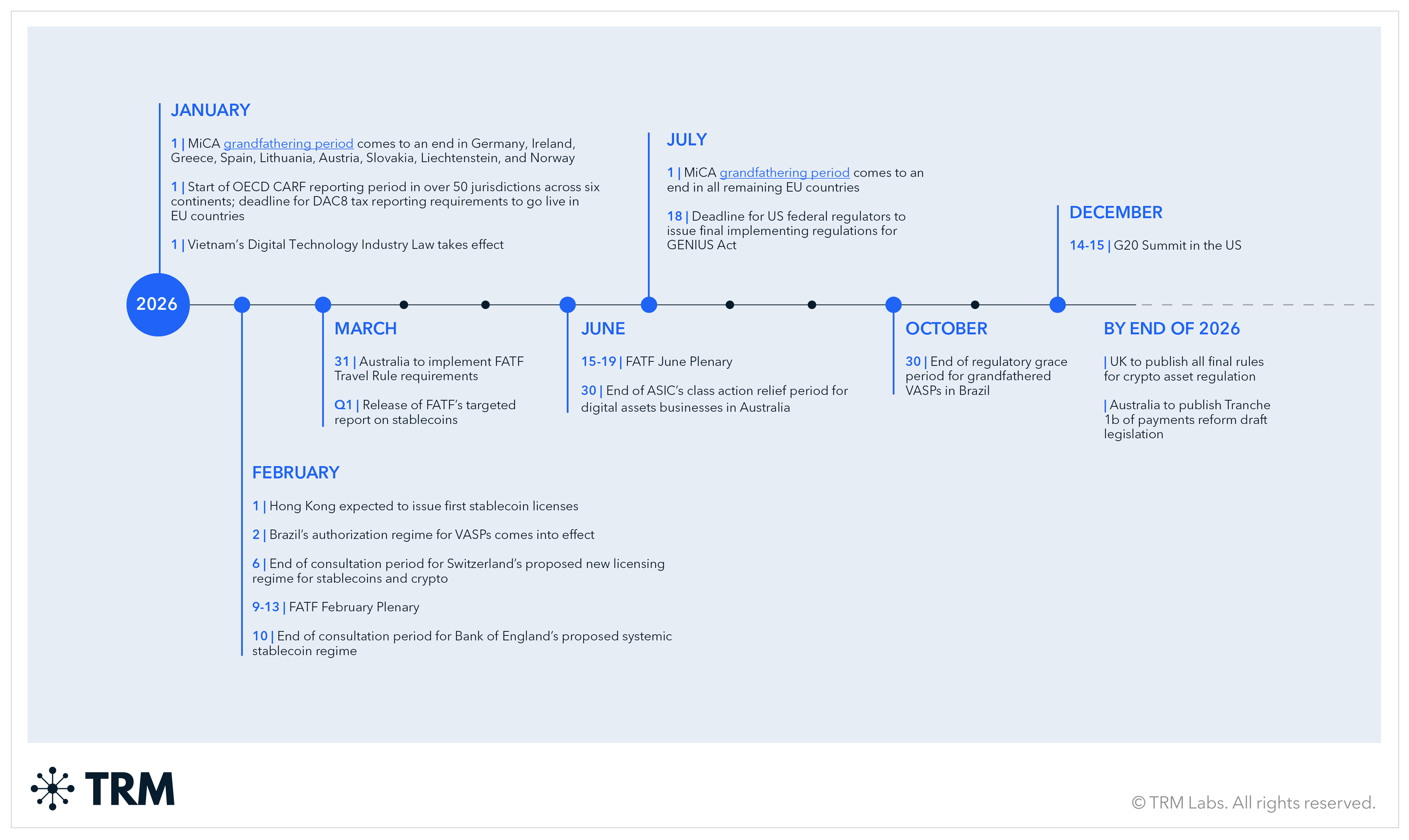

If an issuer claims MiCA compliance but cannot provide a reference number from a national regulator, treat this as a red flag. The EBA’s consolidated list is the ultimate source of truth, but it may lag slightly behind real-time national approvals. Always prioritize the national regulator’s direct confirmation for high-stakes transactions.
Avoid common compliance mistakes
Verifying MiCA stablecoin compliance requires more than reading a white paper. Many businesses assume a "MiCA-compliant" label is sufficient marketing proof. It is a legal status that requires active verification of reserve transparency and legal structure.
Mistake 1: Assuming "MiCA-Compliant" Means Fully Audited
A stablecoin issuer may claim compliance while still undergoing the authorization process. The European Securities and Markets Authority (ESMA) notes that MiCA establishes a unified framework to address risks like market abuse and consumer exploitation, but the label itself does not guarantee immediate reserve backing. You must check the issuer's current authorization status with the relevant national competent authority, such as the CSSF in Luxembourg or BaFin in Germany. Relying on a self-declared status without checking the official register is a primary failure point.
Mistake 2: Ignoring Reserve Transparency Reports
MiCA requires asset-reserve stablecoins to hold high-quality liquid assets. However, the frequency and detail of these reports vary. A common pitfall is accepting quarterly summaries instead of real-time or near-real-time attestations. Ensure the issuer provides access to their reserve composition. If the white paper lacks specific details on custodial arrangements or segregation of assets, treat the compliance claim with skepticism.
Mistake 3: Overlooking Legal Entity Jurisdiction
Compliance is tied to the specific legal entity issuing the token. A parent company may be licensed in one EU member state, but the actual stablecoin issuer might be in a different jurisdiction with less rigorous oversight. Always trace the token issuance back to the specific legal entity holding the Electronic Money Institution (EMI) or Credit Institution license. If the issuer is unlicensed or licensed in a non-EU jurisdiction, the stablecoin is not MiCA-compliant for use within the EU market.
"MiCA-compliant" is a legal status, not a marketing term. Verify the issuer's license in the official ESMA or national regulator register before integrating their token into your systems.
Use the compliance checklist
Before using or holding any stablecoin, run through this four-point audit. This sequence mirrors the core requirements of the EU’s Markets in Crypto-Assets Regulation (MiCA) and helps you separate compliant assets from regulatory gray areas.
- Verify CASP registration. Confirm the issuer or distributor is listed in the official register of Crypto-Asset Service Providers maintained by your national competent authority (e.g., BaFin in Germany, AMF in France, or ESMA’s consolidated list). If the entity isn’t registered, the asset lacks the legal backbone required for EU compliance.
- Check reserve transparency. Legitimate MiCA-compliant stablecoins must publish regular attestation reports from an independent auditor. Look for recent documents confirming that reserves are held in high-quality liquid assets and fully backed 1:1. Avoid tokens with vague or outdated reserve disclosures.
- Review the whitepaper. The issuer must provide a current, MiCA-compliant whitepaper detailing the token’s mechanics, risk factors, and governance. Ensure the version you are reading is the latest one approved by regulators, not an archived draft.
- Confirm national authority verification. Some jurisdictions require additional local notifications or passporting approvals. Check if the stablecoin has been explicitly recognized or flagged by your local financial regulator.
-
Issuer registered in EU CASP registry
-
Recent independent reserve attestation published
-
Current MiCA-compliant whitepaper available
-
Local national authority verification confirmed
Skipping these steps exposes you to regulatory risk, including potential delisting or frozen assets. Treat this checklist as your final gate before any transaction.
No comments yet. Be the first to share your thoughts!