
Determine your regulatory jurisdiction
Stablecoin regulation 2026 compliance starts with identifying your operational footprint. The EU’s MiCA framework and the US GENIUS Act apply to different entities based on geography and issuer type. You must map your business structure to the correct jurisdiction before proceeding.
The EU’s Markets in Crypto-Assets (MiCA) regulation applies to any issuer offering assets within the Union, regardless of where the company is headquartered. It covers both payment tokens and asset-referenced tokens. If you target EU users, you must register with a national competent authority and meet strict reserve requirements.
In the United States, the GENIUS Act restricts stablecoin issuance to regulated institutions such as banks and credit unions. The Federal Register outlines proposed rules for implementing this act, focusing on payment stablecoins backed by cash and short-duration U.S. Treasury securities. If you operate as a non-bank entity in the US, you likely fall outside this primary federal framework and may face stricter state-level money transmitter laws.
| Feature | EU (MiCA) | US (GENIUS Act) |
|---|---|---|
| Issuer Type | Any legal entity | Banks, credit unions, OCC-regulated entities |
| Scope | Payment & Asset-Referenced Tokens | Payment Stablecoins only |
| Reserve Requirement | Strict segregation, audited | Cash and short-duration Treasuries |
| Registration | National Competent Authority | Federal Reserve / OCC oversight |
| Action | EU Requirement | US Requirement |
|---|---|---|
| Legal Entity | Must be established in EU | Must be US-regulated institution |
| Documentation | Whitepaper, Audit Reports | Federal Reserve reporting, OCC compliance |
| Consumer Protection | Right to redemption | 1:1 reserve backing, regular attestations |
Visa’s recent expansion into multiple blockchains highlights the growing infrastructure supporting these regulated assets. Understanding your jurisdiction ensures you build on the correct legal foundation.
| Feature | EU (MiCA) | US (GENIUS Act) | Compliance Note |
|---|---|---|---|
| Issuer Eligibility | Any legal entity | Banks, credit unions, OCC-regulated entities | Non-bank issuers in the US may face state-level restrictions. |
| Token Scope | Payment & Asset-Referenced Tokens | Payment Stablecoins only | MiCA has broader coverage of token types. |
| Reserve Management | Strict segregation, audited | Cash and short-duration Treasuries | US rules emphasize liquidity and federal oversight. |
| Registration Body | National Competent Authority | Federal Reserve / OCC | EU registration is national; US is federal. |
Register with the appropriate federal agency
Stablecoin issuers must secure formal registration before launching their tokens. Under the GENIUS Act, payment stablecoin issuers (PSCIs) are subject to federal oversight, with the Office of the Comptroller of the Currency (OCC) serving as the primary federal regulator for most entities.
The registration process is rigorous. Issuers must submit detailed applications that prove their ability to maintain full reserve backing and ensure immediate redemption. The OCC, FDIC, and Treasury have released parallel proposed rules to standardize these requirements across the banking system.
Follow this sequence to complete your registration application.
Identify whether you qualify as a PSCI under the GENIUS Act. If you are a bank or a bank holding company, you likely fall under OCC or FDIC jurisdiction. Non-bank entities must prepare for federal scrutiny rather than state-level money transmitter licenses. Review the OCC's GENIUS Act regulations to confirm your classification.

Compile evidence of your reserve asset composition. The proposed rules require that reserves consist primarily of cash and short-duration U.S. Treasury securities. You must demonstrate that these assets are held in segregated accounts and are fully redeemable within two business days, as mandated by the FDIC's proposed rulemaking.

File your application through the OCC's designated portal. Include your corporate governance structure, risk management policies, and the results of your independent attestation reports. The OCC requires transparency on how you handle redemption requests and how you manage the liquidity of your reserve assets.
The agencies will review your submission for compliance with the GENIUS Act's framework. This period may involve requests for additional information or clarification on your reserve management practices. Ensure your legal and compliance teams are available to respond to inquiries promptly to avoid delays in your launch timeline.
Registration is not a one-time event. Issuers must maintain ongoing compliance with reporting standards and undergo regular audits. Failure to maintain the required reserve ratios or redemption capabilities can result in immediate revocation of your registration status.
Establish reserve asset segregation protocols
To maintain a 1:1 peg, stablecoin issuers must hold reserves in high-quality liquid assets (HQLA) and keep them strictly separate from the company’s operating capital. This segregation prevents commingling, ensuring that reserve assets are available to redeem tokens even if the issuer faces financial distress or bankruptcy. The operational mechanics require dedicated custodial accounts and real-time reconciliation processes that isolate these funds from general corporate use.
The U.S. regulatory landscape is tightening these requirements. Under the framework established by the GENIUS Act, issuers face strict scrutiny on how they manage these reserves. For instance, the FDIC’s proposed rulemaking emphasizes the necessity of rapid liquidity, mandating that issuers generally redeem payment stablecoins within two business days [[src-serp-7]]. This requirement forces issuers to maintain a portion of their reserves in assets that can be converted to cash almost immediately, such as U.S. Treasury bills or cash held at Federal Reserve Banks.
Implementing this protocol involves more than just opening a bank account. Issuers must establish clear legal structures that define the reserve assets as property of the token holders, not the company. This often involves using special purpose vehicles (SPVs) to hold the assets, providing an additional layer of protection against creditor claims. Regular, independent audits are essential to verify that the segregated accounts match the circulating supply of tokens at all times.

The goal is to create a system where the stability of the coin is backed by tangible, accessible assets rather than corporate promise. By isolating these reserves, issuers demonstrate that they can meet redemption demands without liquidating long-term investments or dipping into operational funds. This structural integrity is the foundation of trust in the stablecoin ecosystem, aligning with the broader regulatory push for transparency and consumer protection in digital payments [[src-serp-4]].
Implement ongoing reporting and audit cycles
Compliance for stablecoin issuers is not a one-time event but a continuous cycle of verification and disclosure. Under the GENIUS Act, issuers must maintain strict oversight of their reserve assets and transaction flows. The Federal Register has outlined proposed rules that require regular attestation of reserves and adherence to specific reporting deadlines for both bank and non-bank issuers [[src-serp-1]].
The following sequence outlines the core obligations for maintaining compliance in 2026.

Independent public accounting firms must verify that the stablecoin issuer holds sufficient high-quality reserve assets to back all outstanding tokens. These attestations are due quarterly and must be filed with the relevant regulatory body. For non-bank issuers with less than $10 billion in circulation, state-level regulatory options may apply, but the attestation requirement remains strict [[src-serp-6]].
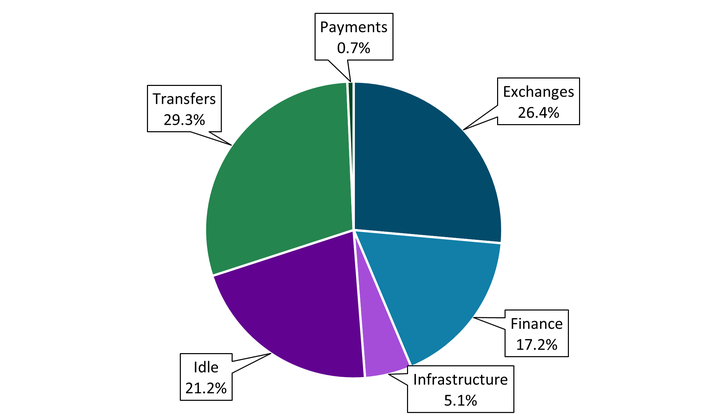
Issuers must implement transaction monitoring systems to detect suspicious activity, including money laundering and terrorist financing. This monitoring must align with the Bank Secrecy Act (BSA) and Anti-Money Laundering (AML) standards. Automated alerts should flag unusual volume spikes or transfers to high-risk jurisdictions.
Regulatory reporting deadlines are fixed and non-negotiable. Issuers must submit detailed reports on reserve composition, transaction volumes, and any material changes to their operational structure. Late filings can trigger significant penalties or suspension of the stablecoin’s issuance. Keep a calendar of all federal and state reporting dates.
To ensure you do not miss critical compliance milestones, use the checklist below to track your ongoing reporting obligations.
-
Verify quarterly reserve attestation is completed by an independent auditor
-
Confirm transaction monitoring alerts are active and reviewed daily
-
Submit all regulatory reports to the Federal Register or state agency before the deadline
-
Update internal compliance policies if regulatory guidance changes
Failure to maintain these cycles exposes the issuer to regulatory action. Treat each reporting period as a distinct audit event, not an administrative afterthought.
Address common compliance pitfalls
Stablecoin compliance fails in the details. Issuers often overlook the specific mechanics of redemption, reserve auditing, and asset classification. These errors trigger regulatory scrutiny or operational halts. Focus on these three critical areas to maintain standing.
Redemption processing delays
The GENIUS Act proposes strict timelines for payment stablecoin issuers. Under current FDIC proposals, issuers must redeem stablecoins within two business days. Delays in this window violate the core promise of a "stable" coin. Build automated redemption systems that trigger instantly upon user request. Do not rely on manual processing for high-volume transactions. Test your systems under load to ensure they meet the two-day mandate.
Inadequate reserve documentation
Regulators require proof that every token is backed by high-quality liquid assets. Vague reports or delayed audits are red flags. Maintain real-time reconciliation between your blockchain balances and your reserve accounts. Use independent auditors to verify these reserves regularly. Ensure your documentation clearly lists the assets, their custodians, and their current valuation. Transparency here is your best defense against accusations of insolvency.
Misclassifying stablecoin types
Not all stablecoins fall under the same regulatory bucket. The GENIUS Act creates distinct rules for Payment Stablecoin Issuers (PSPIs) versus other non-bank issuers. Misclassifying your asset can lead to severe penalties. If your stablecoin is used primarily for payments, it likely falls under PSPI rules. Review the FDIC’s Notice of Proposed Rulemaking to determine your exact classification. When in doubt, consult legal counsel before launching.
Frequently asked questions about stablecoin regulation 2026
Compliance with the GENIUS Act and MiCA requires understanding specific operational thresholds and reporting duties. The following questions address the most common compliance hurdles for issuers and custodians.
No comments yet. Be the first to share your thoughts!