
Verify reserve backing and issuance limits
Compliance for USDT and USDC in 2026 begins with the GENIUS Act, enacted on July 18, 2025. This law establishes the federal framework for payment stablecoins, requiring issuers to maintain reserves that back outstanding tokens on at least a one-to-one basis. If your stablecoin is used for payments, this 1:1 backing is not optional; it is the baseline legal requirement for operating as a Permitted Payment Stablecoin Issuer (PPSI).
Verification involves two distinct steps: confirming the asset ratio and ensuring the audit frequency meets legal standards. The law mandates daily attestation of reserves. This means an independent third-party auditor must verify the 1:1 ratio as of the end of each business day. This daily cadence replaces the monthly or quarterly reports that were standard in previous years, providing real-time transparency for regulators and users.
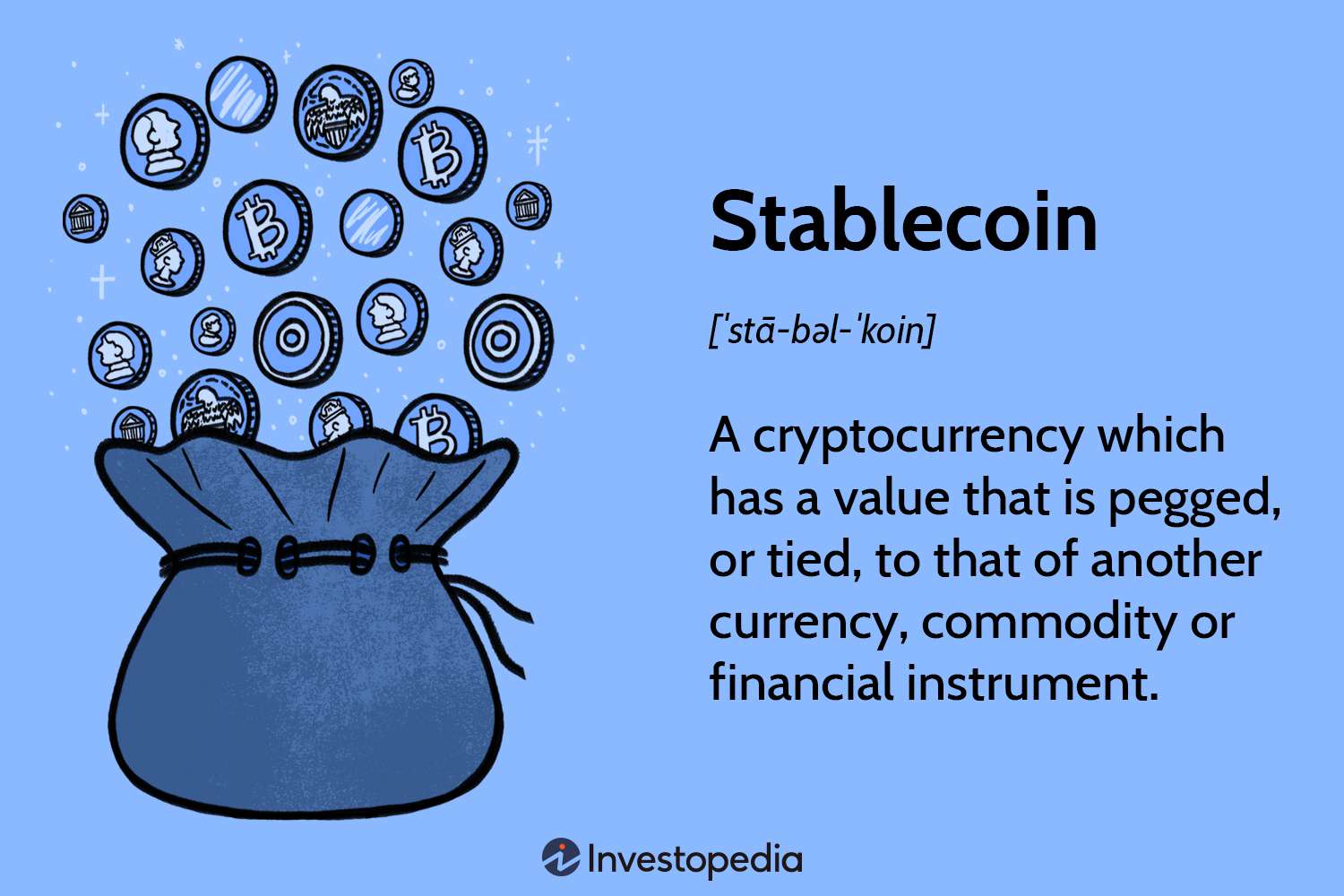
Issuance limits are tied directly to these reserve requirements. A PPSI cannot issue more stablecoins than it holds in compliant reserves. This creates a hard cap on supply expansion, preventing the over-leveraging that characterized earlier crypto market cycles. For compliance teams, this means monitoring issuance volume against reserve reports in real time to avoid regulatory breaches.
The Treasury Department is currently issuing implementing regulations to clarify how these rules apply to specific asset types and custody arrangements. Until those final rules are published, issuers must adhere to the strictest interpretation of the GENIUS Act to ensure full compliance. Failure to maintain daily attestation or 1:1 backing can result in immediate revocation of PPSI status and significant penalties.
Check SEC and CFTC jurisdictional overlap
The 2026 regulatory landscape for stablecoins is defined by a split jurisdiction between the Securities and Exchange Commission (SEC) and the Commodity Futures Trading Commission (CFTC). While the GENIUS Act establishes the baseline for payment stablecoins, it does not fully resolve the classification of tokens with utility features or those backed by non-cash collateral.
Your compliance path depends on the token's structure. If the stablecoin functions primarily as a medium of exchange backed by cash and short-term treasuries, it falls under federal banking guidelines. However, if it includes yield-bearing features, governance rights, or is backed by commodities, it may trigger securities or commodities jurisdiction.
Use the table below to identify which regulator governs your specific collateral type and feature set.
| Feature | SEC Jurisdiction | CFTC Jurisdiction | Primary Regulator |
|---|---|---|---|
| Cash & Treasury Backing | Exempt (Payment Utility) | Exempt (Commodity Cash) | Federal Banking/OCC |
| Yield-Bearing Features | Security (Investment Contract) | Exempt | SEC |
| Commodity Collateral | Exempt (Underlying Asset) | Commodity | CFTC |
| Governance Rights | Security (Voting Power) | Exempt | SEC |
| Derivatives Exposure | Exempt (Underlying) | Derivatives | CFTC |
When features overlap, the agency with the most direct nexus to the economic risk takes precedence. For instance, a stablecoin backed by gold (a commodity) but offering staking yields sits in a gray area. In 2026, the SEC typically asserts jurisdiction over the yield mechanism, while the CFTC oversees the underlying commodity exposure.
Always verify your token's classification against the SEC's Stablecoin Regulatory Framework before launching. Misclassification can result in immediate enforcement actions, so precise legal counsel is required to navigate this overlap.
Audit USDT and USDC regulatory status
The GENIUS Act of 2025 established the federal baseline for payment stablecoins, requiring issuers to maintain reserves on a one-to-one basis using specified assets like US dollars and federal reserve notes. Under this framework, USDT and USDC must now demonstrate strict adherence to these reserve requirements to maintain their "permitted payment stablecoin issuer" (PPSI) status.
USDC, issued by Circle, has positioned itself as the compliant leader in this new regime. Circle has publicly committed to full transparency, providing monthly attestations of its reserves and aligning its operational structure with the new Treasury guidelines. This proactive stance makes USDC the safer choice for institutions navigating the 2026 compliance landscape, particularly for entities subject to strict anti-money laundering (AML) obligations.
USDT (Tether), the largest stablecoin by market cap, faces a more complex audit trail. While Tether has historically faced scrutiny over its reserve composition, the 2026 regulations demand greater granularity. Auditors should verify that Tether’s recent attestations meet the new federal standards for asset segregation and liquidity. The shift from voluntary disclosure to mandatory federal reporting represents a significant change in the compliance posture of both assets.
The GENIUS Act also directs Treasury to treat PPSIs as financial institutions for Bank Secrecy Act purposes. This means both issuers are now subject to rigorous AML obligations. For businesses integrating these tokens, verifying that the issuer has filed the necessary FinCEN registrations is a critical step in the audit process.
-
Verify PPSI registration with FinCEN
-
Review monthly reserve attestations for asset quality
-
Confirm AML program compliance with BSA standards
-
Check for any recent regulatory enforcement actions
Implement AML and BSA reporting steps
Stablecoin issuers must treat Anti-Money Laundering (AML) and Bank Secrecy Act (BSA) compliance as an operational priority, not an afterthought. Under the GENIUS Act framework, payment stablecoin issuers are classified as financial institutions, triggering the same reporting obligations as traditional banks. This requires a structured approach to transaction monitoring, recordkeeping, and Suspicious Activity Report (SAR) filing.

Draft and approve a written AML program tailored to your stablecoin’s specific risk profile. This document must outline policies for customer identification, transaction monitoring, and employee training. Ensure the program is reviewed annually and signed off by senior management to demonstrate regulatory good faith.
Implement robust Know Your Customer (KYC) procedures before issuing or transferring stablecoins. Collect and verify government-issued identification, proof of address, and beneficial ownership information for entities. This step is critical for preventing anonymous transactions that could facilitate illicit finance.

Deploy automated systems to scan transactions in real-time for patterns indicative of money laundering, such as structuring, rapid movement of funds, or interactions with high-risk addresses. Flag anomalies for manual review by compliance officers. Maintain logs of all alerts and decisions for at least five years.
When suspicious activity is confirmed, file a SAR with FinCEN within 30 calendar days of detection. Include detailed narratives explaining the suspicious behavior, involved parties, and amounts. Ensure that no tip-offs are given to customers regarding the filing, as this is a federal offense.

File CTRs for cash transactions exceeding $10,000 in a single day. While stablecoins are digital, any fiat on-ramps or off-ramps must adhere to these thresholds. Maintain accurate records of all CTRs and make them available for examination by regulatory bodies upon request.
Compliance is an ongoing process. Regular audits and updates to your AML program are necessary to adapt to evolving threats and regulatory guidance from FinCEN and the Treasury Department.
No comments yet. Be the first to share your thoughts!