Prepare your reserve assets
Under the GENIUS Act and MiCA, issuers must maintain a 1:1 fully backed reserve of high-quality liquid assets (HQLA) to support stablecoin liabilities. This requirement ensures that every token in circulation is backed by cash or cash equivalents that can be redeemed on demand. The goal is to eliminate credit risk and ensure immediate liquidity, effectively turning the reserve into a digital vault that mirrors traditional banking safeguards.
Audit eligible reserve composition
Before structuring your reserves, verify that every asset qualifies under the specific regulatory framework. The GENIUS Act defines strict eligibility criteria for HQLA, typically limiting reserves to cash, central bank reserves, or short-term government securities. MiCA imposes similar constraints, requiring reserves to be held in low-risk instruments with minimal price volatility. Holding non-eligible assets like corporate bonds or equities can lead to immediate non-compliance. Cross-reference your current portfolio against the official eligible asset list published by the OCC or relevant EU authorities.
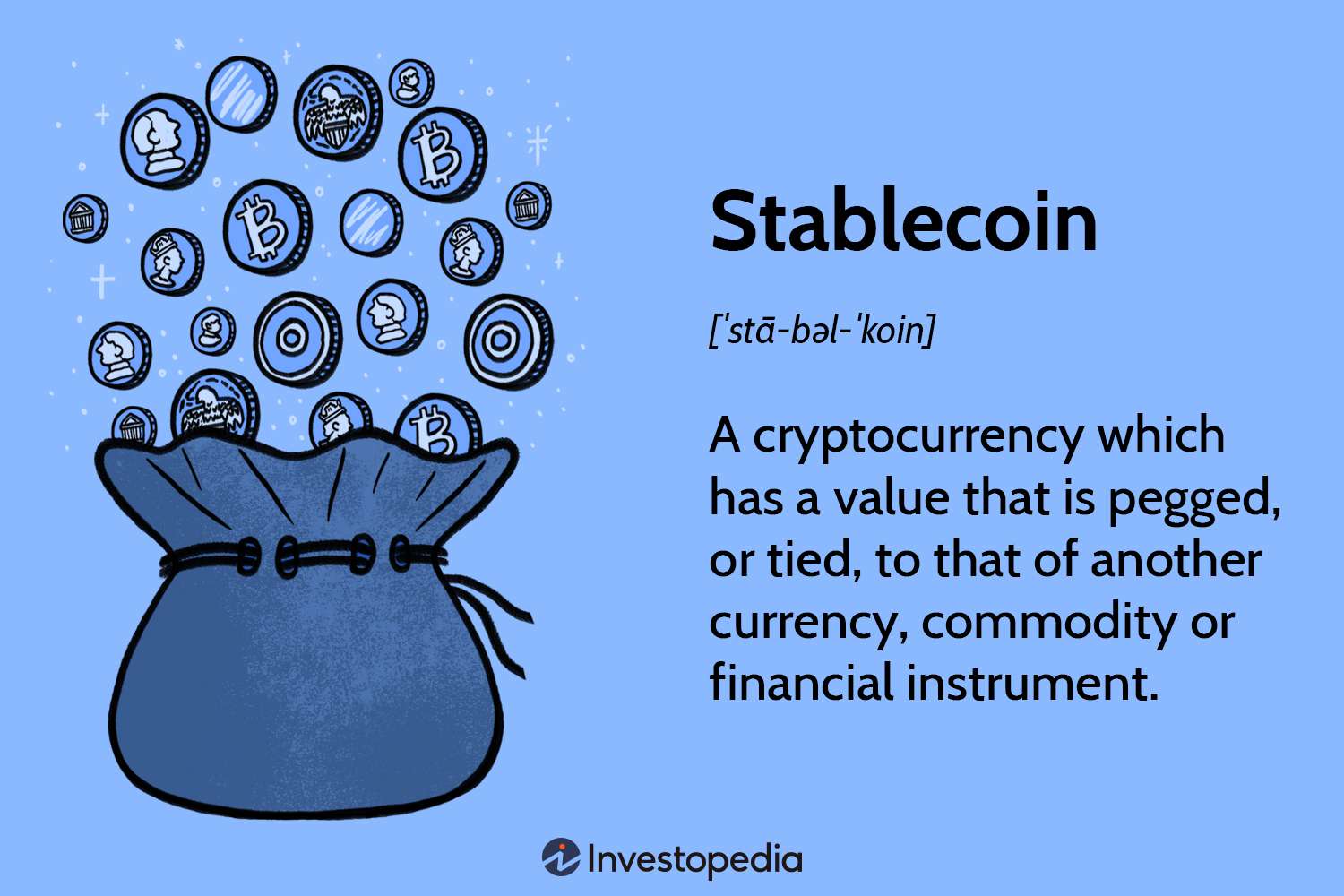
Hold reserve assets in segregated accounts separate from your operational funds. This separation protects user funds if your company faces financial distress. Regulatory bodies require that these assets are legally ring-fenced, meaning they cannot be used for corporate lending, investment, or operational expenses. Use custodians that specialize in segregated custody to ensure clear ownership trails.

Perform a daily calculation of your total stablecoin liabilities against your reserve assets. The GENIUS Act mandates that reserves must fully back liabilities as of the end of each business day. This means you need a robust treasury management system or automated oracle that tracks token supply in real-time and matches it against the value of the underlying cash and securities. Any shortfall must be covered immediately.

Engage an independent third-party auditor to verify your reserve composition daily or at least monthly, depending on the specific jurisdiction's timeline. The attestation must confirm that the assets exist, are eligible, and are fully backed. Publish these reports transparently so users and regulators can verify the solvency of your stablecoin. This step builds trust and satisfies the transparency requirements of both US and EU regulators.
Verify compliance with official lists
Regulatory lists of eligible assets change. What qualifies as a high-quality liquid asset today may not tomorrow. Regularly check the latest guidance from the OCC or European Supervisory Authorities. Maintain a checklist of your reserve assets and mark each one against the current official eligibility criteria. This proactive approach prevents accidental exposure to disallowed instruments.
By treating your reserve assets as a dynamic, regulated liability rather than a static investment pool, you align with the core intent of the GENIUS Act: protecting consumers through transparency and liquidity. This structure not only keeps you compliant but also positions your stablecoin as a trustworthy medium of exchange in the 2026 regulatory landscape.
Establish qualified custody protocols
Compliance with the 2026 stablecoin regulations begins with how you secure reserve assets. The Office of the Comptroller of the Currency (OCC) and the Federal Deposit Insurance Corporation (FDIC) have established distinct custody standards for stablecoin issuers. These rules separate traditional bank deposits from third-party custodial arrangements, requiring issuers to prove that reserve funds are segregated and protected from creditor claims.
Structure reserve accounts
Your first step is to establish dedicated reserve accounts that are legally segregated from your operating accounts. The FDIC’s proposed rules under the GENIUS Act clarify that deposits held as reserves backing a payment stablecoin are not insured for the stablecoin holder, but rather for the issuer entity itself. This distinction is critical for risk management.
You must ensure that these accounts are held at a covered financial institution that has agreed to the specific custody terms required by the OCC. The funds must be readily available for redemption by stablecoin holders without delay. Any commingling of reserve assets with corporate operating funds or other client assets is strictly prohibited and will result in immediate non-compliance.
Select approved custodians
If you choose not to hold reserves directly at a bank, you must engage a qualified third-party custodian. The OCC requires that these custodians be regulated entities with robust internal controls and audit capabilities. You must conduct due diligence to ensure the custodian can provide real-time reporting on asset balances and transaction history.
The custody agreement must explicitly state that the custodian holds the assets solely for the benefit of the stablecoin issuer. This legal structure ensures that in the event of the custodian’s insolvency, the reserve assets remain separate and accessible. Regular audits by independent third parties are mandatory to verify that the custodian is adhering to these protocols.
Implement verification systems
Finally, you must implement automated verification systems that link your custody providers to your reserve reporting. This ensures that the data reported to regulators and the public matches the actual holdings in the custody accounts. Any discrepancies must be resolved immediately, and the system must flag any unauthorized transfers or withdrawals.
By establishing these protocols, you create a transparent and secure foundation for your stablecoin operations. This approach aligns with the OCC’s expectations for safety and soundness while meeting the specific requirements of the 2026 stablecoin regulations.
Implement daily reporting and audits
Compliance with the 2026 stablecoin regulations requires a rigid operational cadence. Issuers must move beyond quarterly checks to a system of daily attestation and periodic independent audits. This structure ensures that the reserve assets backing the stablecoin match the liabilities owed to holders at all times.
1. Verify 1:1 reserve backing daily
The core requirement is that a stablecoin must be fully backed by a reserve of assets on a 1:1 basis as of the end of each business day. This is not an estimate; it is a precise accounting snapshot. Issuers must calculate the total value of eligible reserve assets and compare it against the total circulating supply of the stablecoin at market close.
2. Attest reserves with a qualified auditor
Once the daily balance is calculated, a qualified independent auditor must attest to the accuracy of the reserve report. This attestation confirms that the assets exist, are legally owned by the issuer, and are free from encumbrances. The auditor’s sign-off is the primary proof of solvency required by regulators.
3. Submit reports to the Federal Reserve
The attested daily reports must be submitted to the Federal Reserve. Under the GENIUS Act framework, reporting obligations begin one year after enactment, by July 18, 2026. The Federal Reserve acts as the central registry, ensuring that all issuers maintain consistent transparency standards. Delays or discrepancies in submission can trigger immediate regulatory scrutiny.
4. Conduct periodic independent audits
In addition to daily attestations, issuers must undergo more comprehensive independent audits. These periodic reviews assess the internal controls, risk management frameworks, and the overall integrity of the reserve management process. They provide a deeper verification of the daily data, ensuring that the attestation process itself is robust and reliable.
5. Maintain a transparent public ledger
Issuers should make the daily attestation summaries publicly available. While the full reserve details may contain sensitive operational data, the public verification of 1:1 backing builds trust. This transparency allows users and regulators to verify that the stablecoin remains fully collateralized at any given moment.
Sum eligible reserve assets and compare against circulating supply at market close. Ensure the ratio is exactly 1:1.

Have a qualified independent auditor verify the daily reserve calculation and sign off on the accuracy of the report.

File the attested report with the Federal Reserve by the deadline, ensuring no delays or discrepancies in the submission.
Align US issuance with MiCA standards
US-based stablecoin issuers or those with significant EU user bases must plan around the intersection of domestic rules and the EU’s Markets in Crypto-Assets (MiCA) framework. The goal is to avoid dual-compliance conflicts by structuring operations to meet the stricter of the two regimes where they overlap.
Compare GENIUS Act vs. MiCA requirements
The US GENIUS Act and EU MiCA share core principles—full backing, reserve transparency, and redemption rights—but differ in reporting frequency, reserve composition, and governance. Use this comparison to identify where your current US compliance stack needs adjustment for EU alignment.
| Compliance Area | US GENIUS Act | EU MiCA | Alignment Action |
|---|---|---|---|
| Reserve Composition | High-quality liquid assets (HQLA) like US Treasuries | Permits cash deposits and short-term government debt | Accept EU-recognized cash deposits in reserve reports |
| Reporting Frequency | Quarterly attestation by independent auditor | Semi-annual or annual disclosure, plus event-driven | Adopt quarterly reporting to satisfy both regimes |
| Governance | Board oversight and risk committee requirements | Strict internal control and segregation of duties | Document segregation of duties for reserve management |
| Consumer Protection | Clear redemption terms and fee disclosure | Mandatory whitepaper and risk warnings in local languages | Translate reserve attestations and whitepapers into EU languages |
Step-by-step alignment process
- Map your reserve assets: Identify which assets qualify under both US HQLA definitions and MiCA’s eligible reserves. US Treasuries generally qualify under both, but cash deposits may need EU-specific custodial arrangements.
- Update your attestation scope: Engage an auditor experienced in both US GAAP and EU MiCA reporting standards. Ensure the attestation covers both quarterly US requirements and semi-annual EU disclosures.
- Localize disclosures: Translate your reserve whitepaper and risk warnings into all official EU languages where you offer services. This is a hard requirement under MiCA with no equivalence to US requirements.
- Document governance segregation: Create internal policies that explicitly separate reserve management from operational functions, satisfying MiCA’s strict internal control mandates while meeting US board oversight expectations.
Verify dual-compliance readiness
Before launching or expanding in the EU, conduct a gap analysis against the European Central Bank’s guidance on stablecoin reserves and the US Treasury’s FinCEN advisories. Keep records of all translator certifications and auditor engagement letters for both jurisdictions.
Common compliance mistakes to avoid
Stablecoin issuers face strict operational requirements under the GENIUS Act. The Treasury’s proposed rule outlines specific mandates for reserve backing and attestation. Missing these details often leads to enforcement actions. Focus on these three areas to stay compliant.
Commingling funds
Separate stablecoin reserves from your corporate operating accounts. The GENIUS Act requires that reserves be held in segregated accounts. Mixing funds with general business capital violates this segregation. Regulators view commingling as a primary risk to consumer protection. Keep your reserve assets in a distinct, auditable account.
Infrequent reserve attestations
Maintain daily 1:1 backing for all issued tokens. The OCC and Federal Reserve expect regular, timely attestations. Failing to update reserve data daily can trigger immediate cease-and-desist orders. Use automated reporting tools to ensure your attestations are current and accurate.
Incomplete KYC/AML protocols
Implement robust identity verification for all users. The proposed rule requires digital asset service providers to verify the identity of persons in the United States. Skipping this step exposes your platform to severe penalties. Ensure your onboarding flow captures all required data points before issuing any stablecoins.
Review the Treasury’s proposed rule for full details on these requirements.
Frequently asked questions about stablecoin rules
The GENIUS Act was enacted on July 18, 2025, establishing a new regulatory framework for payment stablecoin activities. Compliance deadlines and enforcement mechanisms are now the primary focus for issuers and service providers.
For detailed tracking of rulemaking updates and reporting requirements, refer to the official OCC Bulletin 2026-3 and the GENIUS Act Rulemaking Tracker.
No comments yet. Be the first to share your thoughts!