

The National Credit Union Administration (NCUA) just dropped a game-changing proposal that could unlock credit unions stablecoin issuance under the GENIUS Act. On February 11,2026, the agency outlined draft rules for federally insured credit unions (FICUs) to sponsor subsidiaries as permitted payment stablecoin issuers (PPSIs). This step fulfills Congress's mandate from the GENIUS Act, signed into law on July 18,2025, and positions credit unions to compete in the booming USD stablecoin compliance 2026 landscape. With public comments open until April 13,2026, stakeholders have a narrow window to shape these NCUA stablecoin regulations.
Credit unions, long sidelined in digital assets, now eye stablecoins as a pathway to modernize payments. The proposal stresses joint applications from PPSIs and investing FICUs, ensuring robust oversight. NCUA aims to finalize by July 18,2026, aligning with the Act's deadline. This isn't just regulatory housekeeping; it's a blueprint for safe innovation in payment stablecoins GENIUS Act space.
GENIUS Act Foundations: Why Credit Unions Matter Now
The GENIUS Act carved out a clear role for NCUA, authorizing it to license, regulate, and supervise PPSIs as subsidiaries of FICUs. Crucially, it bars direct issuance by insured credit unions-federal or state-chartered-to shield depositors. Subsidiaries only, much like banks under parallel rules. This structure mirrors the Act's intent: foster competition while mandating 1: 1 reserves, monthly audits, and strict compliance. For more on the Act's core pillars, check our deep dive at GENIUS Act explained: US stablecoin licensing, reserve, and audit rules 2025.
Credit unions serve 140 million members, often underserved by big banks. Enabling their stablecoin play could democratize fast, low-cost payments. Imagine community-focused USD stablecoins powering remittances or payroll. Yet, the Act's guardrails-demanding segregated reserves in Treasuries or equivalents-underscore risk management. NCUA's draft builds on this, limiting FICU investments to NCUA-approved PPSIs and capping exposure.
GENIUS Act: CU Prohibitions & Permissions
- No Direct Issuance: Federally insured credit unions (FICUs) prohibited from issuing payment stablecoins themselves (NCUA).

- Subsidiaries Only: Issuance permitted only via NCUA-licensed PPSI subsidiaries of FICUs.
- Joint Applications Required: PPSI applicants must submit joint applications with investing FICUs.

- Investment Limits: FICUs face regulatory limits on investments in licensed PPSIs (proposal details).

NCUA Draft Rules: The Application Blueprint
At its core, the proposal details a rigorous application process. Prospective PPSIs must submit alongside FICUs planning investments, including business plans, reserve strategies, and governance frameworks. NCUA will scrutinize capital adequacy, risk controls, and anti-money laundering (AML) programs. Approved PPSIs face ongoing supervision, with powers to redeem stablecoins at par and disclose reserves publicly.
Standout features include phased rollouts: initial licenses limited to well-capitalized applicants, with scalability tied to performance. Investments by FICUs? Capped at percentages of net worth, detailed in regs to prevent overexposure. This balances innovation with the mutual, member-owned ethos of credit unions. Industry voices, from America's Credit Unions to fintechs, praise the clarity but flag burdens on smaller players.
The draft also tackles interoperability, hinting at bridges to bank-issued stablecoins under OCC rules. For issuers eyeing global reach, these GENIUS Act stablecoin rules align with emerging standards, easing cross-border compliance.
Stakeholder Feedback: Opportunities and Hurdles Ahead
Public comments close April 13,2026, inviting input from credit unions, industry groups, and regulators. Early reactions highlight wins: streamlined licensing versus fragmented state rules. Concerns linger on costs-reserve segregation demands liquidity-and tech upgrades for real-time attestations. Smaller credit unions may partner with larger ones or fintechs, sparking consolidation.
NCUA's move signals maturity in U. S. stablecoin oversight. By empowering credit unions, it diversifies issuance beyond Tether or Circle dominance, potentially stabilizing markets through competition. Watch for revisions post-comment; they could redefine NCUA stablecoin regulations for years. As one analyst noted, this is credit unions' crypto moment-don't miss it.
Smaller institutions might struggle with the upfront costs of compliance, but partnerships could level the playing field. Forward-thinking credit unions are already forming alliances with tech providers to meet USD stablecoin compliance 2026 standards. This collaborative spirit aligns perfectly with their member-first mission.
Investment Limits and Risk SafeguardsProtecting the Credit Union Core
One of the draft's strongest elements caps FICU investments in PPSIs at 15% of total net worth initially, with potential adjustments based on risk profiles. This isn't arbitrary; it's calibrated to prevent the kind of overexposure that sank early crypto experiments. Reserves must stay in ultra-safe assets like U. S. Treasuries, cash, or equivalents, backed 1: 1 and attested monthly by independent auditors. Redemption rights at par value give holders confidence, mirroring traditional deposit insurance but tailored for digital rails.
NCUA emphasizes operational resilience too: cybersecurity mandates, disaster recovery plans, and stress testing rival big-bank standards. For credit unions, this means investing in blockchain tech that scales without compromising safety. I see this as supportive scaffolding; it lets community lenders punch above their weight in payment stablecoins GENIUS Act innovation.
Core NCUA Draft Risk Safeguards
- 15% Net Worth Investment Cap: Federally insured credit unions limited to investing no more than 15% of their net worth in permitted payment stablecoin issuers (PPSIs).
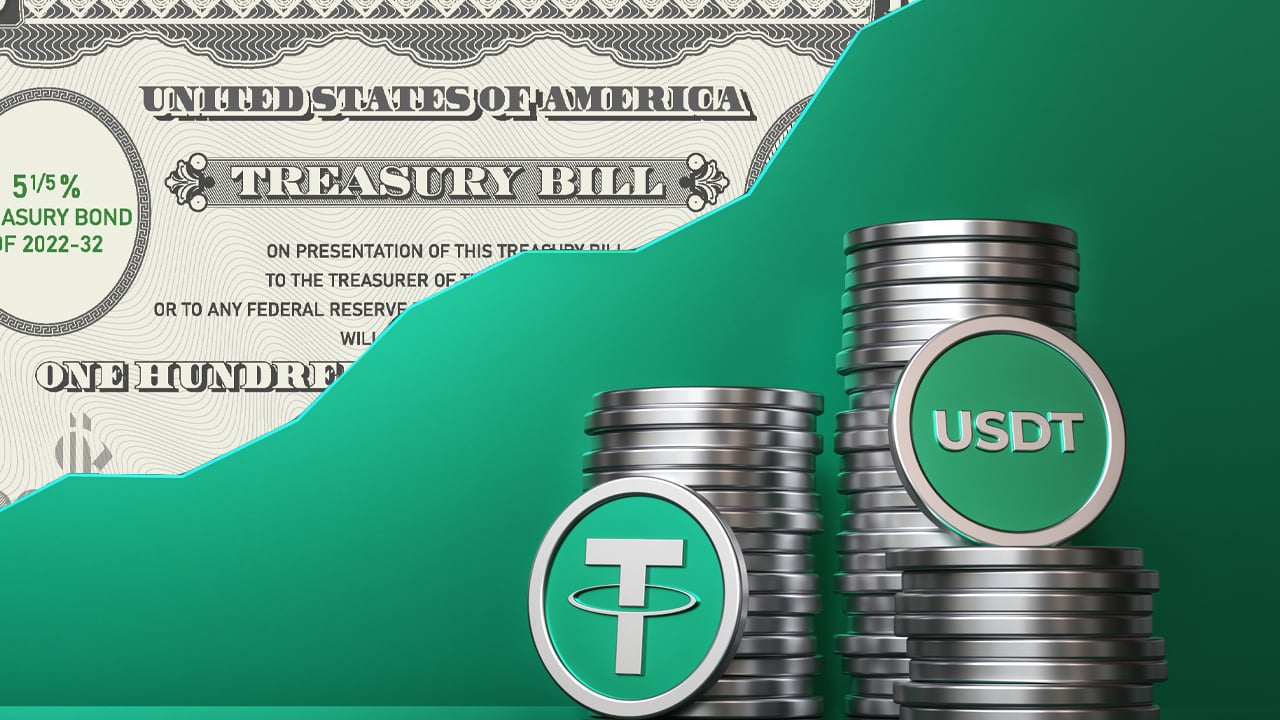
- 1:1 Treasury Reserves: PPSIs must maintain reserves of U.S. Treasuries or equivalent at a 1:1 ratio to outstanding stablecoins for full backing.
- Monthly Independent Audits: Required monthly audits by independent third parties to verify reserves and compliance.

- Par Redemption Rights: Holders guaranteed redemption of stablecoins at par value ($1) on demand.

- Cybersecurity Mandates: Strict requirements for robust cybersecurity protocols to protect stablecoin operations.

Path Forward: From Proposal to Practice
Finalization by July 18,2026, sets the stage for first approvals later this year. Early movers could launch pilot stablecoins for member payments, remittances, or even micro-lending on chain. Picture a rural credit union issuing stablecoins that settle instantly for farmers' co-op transactions - real-world utility at last. But success hinges on comments; urge NCUA to refine burdens for mid-tier unions while keeping safeguards ironclad.
Compared to OCC rules for banks, NCUA's framework adds member-protection layers unique to credit unions' not-for-profit status. No direct issuance keeps focus on subsidiaries, but joint apps streamline oversight. This parity fosters a unified U. S. stablecoin market, where credit union tokens compete seamlessly with bank ones.
For global players, these rules signal U. S. leadership. Alignment with EU MiCA or Singapore frameworks on reserves and disclosures eases multinational ops. Credit unions eyeing exports should prioritize KYC/AML interoperability now.
Stakeholders, seize this comment period. Submit via NCUA's portal by April 13, highlighting practical tweaks like phased compliance for reserves or tech grants for underserved unions. As Evan Mercer, I've advised dozens on crypto compliance; this draft strikes a rare balance between bold access and prudent control.
Credit unions entering the fray will reshape payments for millions, blending community trust with blockchain speed. The GENIUS Act's NCUA chapter isn't just rules - it's an invitation to lead. Stay engaged, submit feedback, and position your institution at the forefront of tomorrow's financial rails.




No comments yet. Be the first to share your thoughts!