
2026 stablecoin regulations limits to account for
The regulatory landscape for stablecoins has shifted from experimental frameworks to enforced compliance across seven major economies, including the US, EU, UK, Singapore, Hong Kong, and the UAE. This transition is driven by the US GENIUS Act, which the Federal Register published as a proposed rule in March 2026, and the EU’s MiCA implementation deadlines. These laws establish strict reserve requirements and custody standards that issuers must meet to operate legally in these jurisdictions.
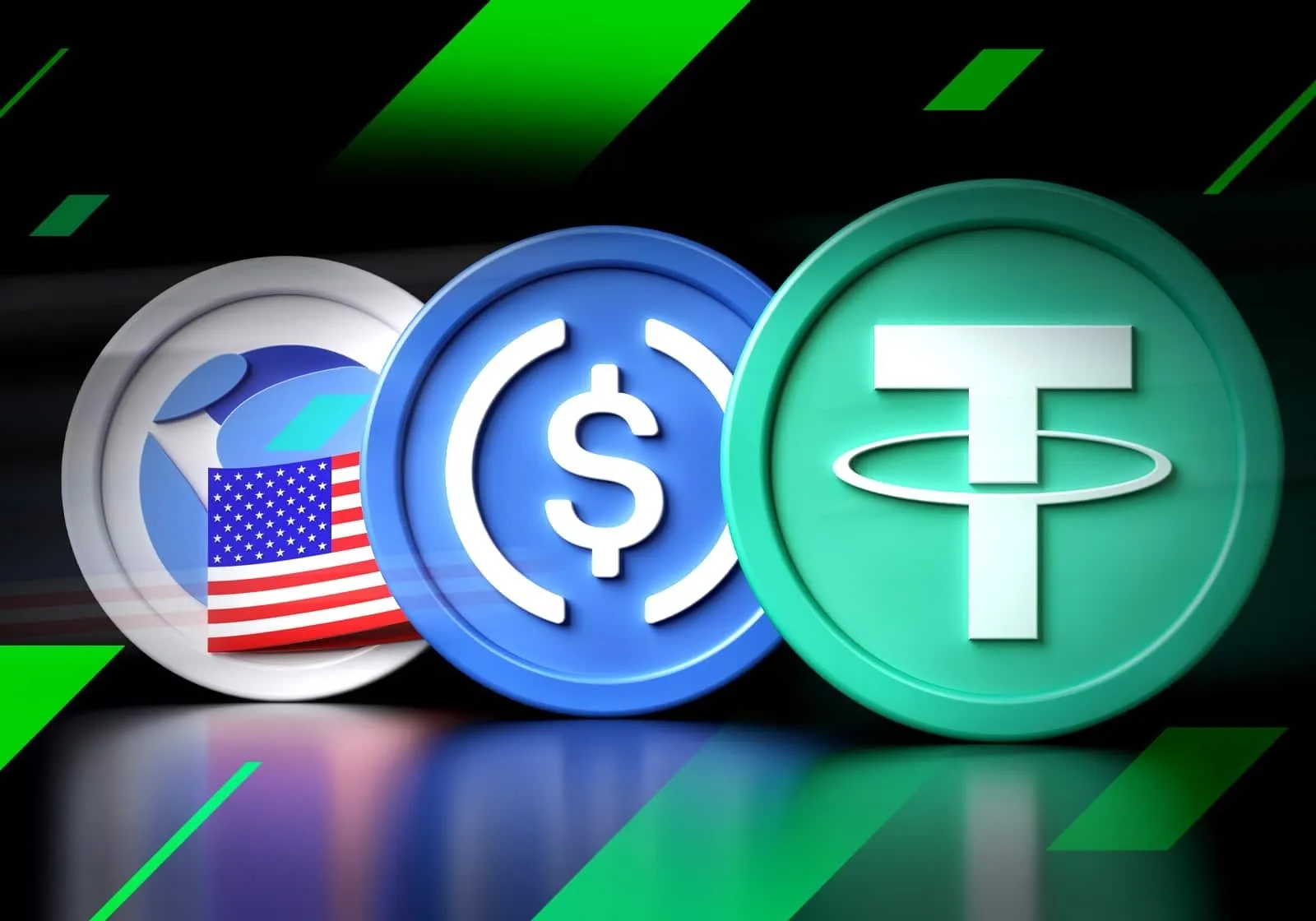
The immediate impact is a consolidation of the market. Forecast data indicates that payment stablecoin issuance could reach $500 billion by the end of 2026, but this growth is concentrated among issuers who have successfully navigated the new compliance hurdles. Smaller, non-compliant issuers are facing reduced liquidity and increasing operational costs, pushing the market toward a duopoly of USDC and USDT, which together hold over $260 billion in market capitalization.
For businesses and users, the primary constraint is jurisdictional alignment. A stablecoin that is compliant in the EU may not meet US banking standards, and vice versa. This fragmentation means that cross-border transactions now require careful selection of the underlying asset to ensure it satisfies the regulatory requirements of both the sender’s and receiver’s countries. The cost of compliance is no longer optional; it is the gatekeeper for market access.
2026 stablecoin regulations choices that change the plan
Use this section to make the Stablecoin Compliance decision easier to compare in real life, not just on paper. Start with the reader's actual constraint, then separate must-have requirements from details that are merely nice to have. A practical choice should survive normal use, maintenance, timing, and budget. If a recommendation only works in an ideal situation, call that out plainly and give the reader a fallback path.
| Factor | What to check | Why it matters |
|---|---|---|
| Fit | Match the option to the primary use case. | A good deal still fails if it does not fit the job. |
| Condition | Verify age, wear, and service history. | Hidden condition issues erase upfront savings. |
| Cost | Compare purchase price with likely upkeep. | The cheapest option is not always the lowest-cost option. |
Choose the next step
Stablecoin Compliance works best as a clear sequence: define the constraint, compare the realistic options, test the tradeoff, and choose the path with the fewest hidden costs. That order keeps the advice usable instead of decorative. After each step, pause long enough to check whether the recommendation still fits the reader's actual situation. If it depends on perfect timing, unusual access, or a best-case budget, include a simpler fallback.
Avoiding Compliance Traps in the 2026 Stablecoin Landscape
The 2026 regulatory environment for stablecoins is no longer theoretical. With the US GENIUS Act proposed rules taking shape and the EU’s MiCA fully enforced, the gap between compliant and non-compliant assets has widened significantly. Many projects still rely on outdated compliance frameworks or misleading claims about their reserve backing. Navigating these new cross-border laws requires a shift from marketing promises to verifiable proof.
Misleading Claims About Reserve Backing
A common mistake is assuming "100% backing" means the same thing across jurisdictions. In the US, the GENIUS Act proposes strict limits on reserve assets, favoring cash and short-term Treasuries. In contrast, some offshore issuers still include commercial paper or private credit in their reserves. Always check the latest attestation reports from licensed third-party auditors. If a stablecoin issuer cannot provide a monthly, verifiable attestation, it likely does not meet current US or EU standards for payment tokens.
Weak Options for Cross-Border Use
Not all major stablecoins are equal in every jurisdiction. While USDT and USDC dominate globally, their regulatory status varies. USDC is generally preferred in regulated US and EU markets due to Circle’s transparent compliance. USDT, while larger, faces ongoing scrutiny in certain jurisdictions. For businesses operating in the UK or Singapore, ensure the stablecoin is recognized under local Payment Services Acts. Using a stablecoin that is restricted in your operating jurisdiction can lead to frozen accounts or compliance violations.
Common Mistakes in Treasury Management
Treasury teams often overlook the distinction between operational stability and legal priority. The GENIUS Act proposes granting stablecoin holders priority in bankruptcy, a feature not present in all tokenized deposits. Relying on a stablecoin without understanding its legal structure in a bankruptcy scenario is a significant risk. Additionally, failing to monitor reserve composition changes can expose your organization to sudden liquidity issues. Regularly review the issuer’s disclosures to ensure the asset remains suitable for your treasury needs.
2026 stablecoin regulations: what to check next
Stablecoin compliance has shifted from experimental to mandatory in 2026. With the GENIUS Act fully active and global frameworks aligning, issuers must navigate strict reserve requirements and banking partnerships. Below are the most common practical questions about these new rules.
No comments yet. Be the first to share your thoughts!