

Hong Kong has officially stepped into the global stablecoin spotlight with its new licensing regime, which came into force on August 1,2025. For anyone interested in stablecoin regulation in Asia, this is a watershed moment. The city’s Stablecoins Ordinance introduces a robust framework designed to foster innovation while protecting consumers and the financial system. As we break down the key requirements, highlight first movers, and explore Hong Kong’s global regulatory influence, you’ll see why this law is making waves far beyond its borders.

Full Reserve and Segregation: The New Gold Standard for Stablecoins
At the heart of Hong Kong’s approach is a full reserve and segregation requirement. This isn’t just a box-ticking exercise. Every licensed stablecoin issuer must maintain 100% reserve backing in high-quality, highly liquid assets. No fractional reserves allowed – every HK$1 of stablecoin issued must be matched by HK$1 in segregated reserve assets like cash or short-term government securities.
This requirement goes further than most existing frameworks by mandating strict segregation of client funds from the issuer’s own assets. Regular audits and public disclosure obligations keep issuers accountable and transparent. The goal? To prevent another Terra-style collapse and ensure that holders can always redeem their stablecoins at par value without drama.
Key Requirements and Impacts of Hong Kong’s Stablecoin Licensing Law
-
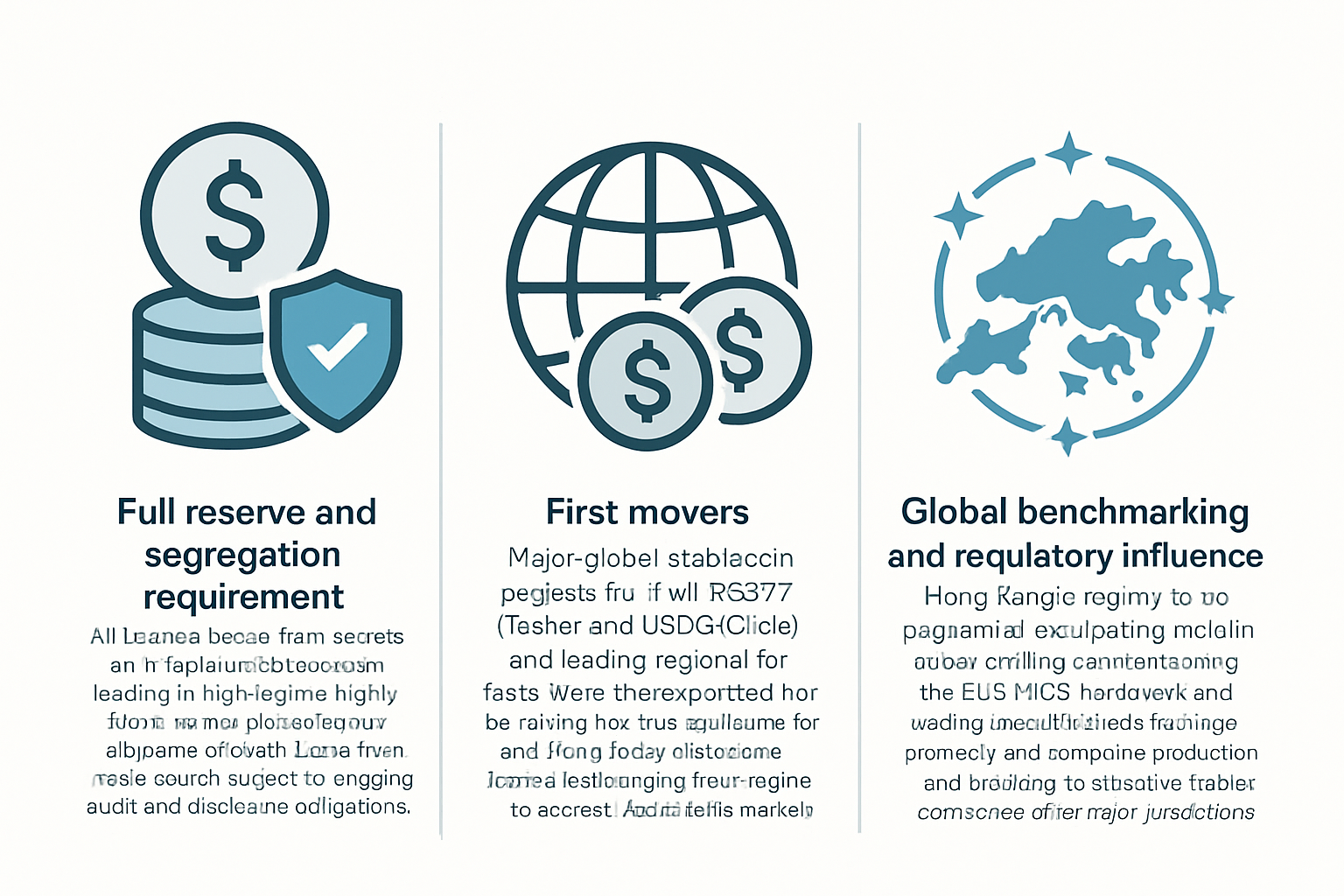
Full Reserve and Segregation Requirement: All licensed stablecoin issuers must maintain 100% reserve backing in high-quality, highly liquid assets. Client funds must be strictly segregated from issuer assets, and issuers are subject to ongoing audit and disclosure obligations to ensure transparency and stability.
-
First Movers: Major global stablecoin projects such as USDT (Tether) and USDC (Circle), along with leading regional fintech firms, are expected to be among the first applicants for the Hong Kong stablecoin license. These entities aim to leverage the new regulatory regime to expand their presence in Asia-Pacific markets.
-

Global Benchmarking and Regulatory Influence: Hong Kong’s stablecoin framework is positioned as a leading regulatory model in Asia, drawing comparisons to the EU’s MiCA framework. Its emphasis on transparency and consumer protection is likely to influence stablecoin regulation across other major jurisdictions worldwide.
First Movers: Who’s Racing for the License?
The industry response has been electric. Major global stablecoin projects such as USDT (Tether) and USDC (Circle), along with leading regional fintech firms, are expected to be among the first applicants under Hong Kong’s new licensing regime. These players see enormous potential in leveraging the city as a hub to access Asia-Pacific markets, especially given Hong Kong’s reputation for legal certainty and international finance.
The first-mover advantage here is real: early licensees will tap into growing demand from institutional investors, exchanges, and payment platforms looking for compliant digital currency solutions in Asia. Watch this space closely as names like Standard Chartered (in partnership with Animoca Brands) have already announced joint ventures aimed at launching HK dollar-backed stablecoins under the new regime.
Global Benchmarking: How Does Hong Kong Stack Up?
This new regime isn’t happening in a vacuum. Regulators worldwide are watching closely, and so are market participants comparing frameworks like the EU’s MiCA to what Hong Kong offers. With its focus on full reserve backing, transparent disclosures, and robust consumer protection measures, Hong Kong is positioning itself as a leading model for digital asset regulation in Asia.
The city’s proactive stance sets new standards that could influence how other jurisdictions approach stablecoin oversight, especially when it comes to transparency around reserves and redemption rights. Chinese tech giants JD. com and Ant Group lobbying for offshore yuan-based stablecoins only underscores how significant this regulatory shift could be on a global scale.
Hong Kong’s stablecoin law is already being hailed as a global benchmark, drawing comparisons to the EU’s MiCA framework and raising the bar for transparency and consumer protection. By requiring 100% reserve backing and strict segregation of client assets, Hong Kong’s approach is more conservative than many Western regimes. This has sparked a wave of interest from both established stablecoin giants and ambitious fintech newcomers eager to set up shop in the region.
For first movers like USDT (Tether) and USDC (Circle), the attraction is clear: a well-defined regulatory path into one of Asia’s most dynamic financial centers. These projects are expected to be among the earliest applicants for a Hong Kong stablecoin license, signaling confidence in the city’s commitment to legal clarity and market stability. Regional fintech leaders are also lining up, hoping to leverage Hong Kong’s credibility to reach new audiences across Asia-Pacific.
The ripple effects go far beyond local market access. As Hong Kong positions itself at the forefront of digital asset oversight, other jurisdictions are taking notes, and sometimes following suit. The city’s focus on robust reserve requirements, regular audits, and transparent disclosures could soon become standard practice elsewhere. Already, regulators from Singapore to Dubai are referencing Hong Kong’s model as they refine their own stablecoin rules.
Why Full Reserve Matters: Raising Consumer Confidence
The full reserve and segregation rule isn’t just regulatory red tape, it’s about restoring trust in stablecoins after years of high-profile failures. By mandating that every issued token is matched by real-world assets held in segregated accounts, Hong Kong aims to eliminate redemption risk and shield users from issuer insolvency or mismanagement. Regular audits further boost confidence by ensuring ongoing compliance.
How Hong Kong’s Full Reserve Rule Stacks Up Globally
-

Full Reserve and Segregation Requirement: All licensed stablecoin issuers in Hong Kong must maintain 100% reserve backing in high-quality, highly liquid assets. This includes strict segregation of client funds from issuer assets, with ongoing audit and disclosure obligations. This approach is notably more stringent than some global peers, such as the U.S., where reserve requirements can vary by issuer, and brings Hong Kong in line with the EU’s MiCA, which also emphasizes robust reserve and transparency standards.
-
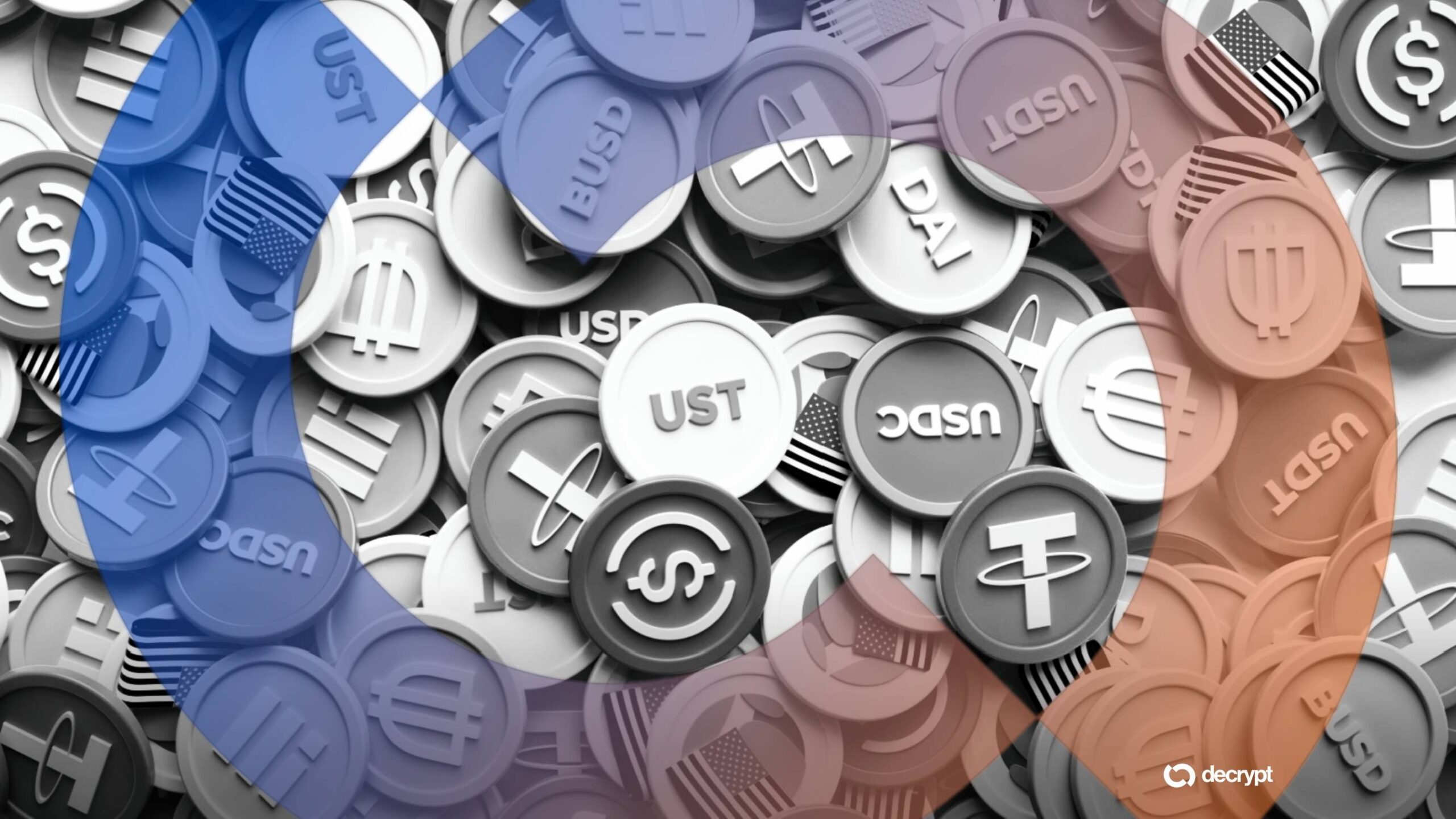
First Movers: Major global stablecoin projects like USDT/Tether and USDC/Circle, along with leading regional fintech firms, are expected to be among the first applicants for the Hong Kong stablecoin license. These players are leveraging the new regime to access the rapidly growing Asia-Pacific digital asset market.
-

Global Benchmarking and Regulatory Influence: Hong Kong’s regime is positioned as a leading model in Asia, drawing direct comparisons to the EU’s MiCA framework. Its focus on transparency and consumer protection is expected to set new standards and influence stablecoin regulation in other major jurisdictions worldwide.
This high bar for compliance means only serious players, those with strong governance, capital reserves, and operational transparency, will secure licenses. It also creates a safer environment for institutional adoption, which is key for mainstreaming digital currency solutions in payments, remittances, and trade finance.
What Comes Next? Early Licensing and Global Influence
The Hong Kong Monetary Authority (HKMA) expects to grant the first batch of licenses in early 2026 after a thorough review process designed to ensure only qualified issuers make the cut. This careful rollout reflects an emphasis on stability over speed, a move applauded by many industry observers who remember past crypto crises all too well.
Meanwhile, global benchmarking continues apace. As more jurisdictions weigh their own approaches to stablecoin regulation, expect increasing cross-border dialogue, and perhaps even competition, as cities vie for leadership in digital finance policy. For legal professionals or compliance teams tracking these developments, staying current with the impact of Hong Kong’s 2025 law on institutional crypto adoption will be essential.
Ultimately, Hong Kong’s licensing law sets a new standard for what responsible stablecoin regulation can look like, one that balances innovation with rigorous safeguards. Whether you’re an issuer eyeing an application or just watching how digital currency rules evolve worldwide, this is one regime that deserves your attention.
About the Author