

Florida's Senate just delivered a thunderous 37-0 endorsement to SB 314, thrusting the Sunshine State into the vanguard of US state stablecoin regulation. This landmark bill carves out a comprehensive Florida stablecoin licensing framework set to activate on October 1,2026, demanding ironclad reserves, rigorous AML protocols, and issuer accountability. As the first state to tackle stablecoins head-on, Florida signals a seismic shift: crypto innovation meets regulatory muscle, potentially reshaping national dynamics while issuers scramble to comply.
The unanimous vote underscores rare bipartisan consensus in a polarized landscape. Lawmakers from both sides rallied behind a structure that classifies payment stablecoins as non-securities under state law, offering issuers much-needed clarity amid federal ambiguity. With Governor Ron DeSantis's signature pending, this framework positions Florida's Office of Financial Regulation (OFR) as the gatekeeper, overseeing licenses for qualified payment stablecoin issuers. For traders and operators eyeing Florida's booming crypto corridors, this means opportunity laced with obligation: get licensed or get sidelined.
37-0 Vote Ignites Florida's Stablecoin Supremacy
Picture this: a Senate chamber erupting in unity as SB 314 sails through without a single dissenter. This isn't just politics; it's a calculated power play. Florida lawmakers, drawing from recent federal stumbles like the GENIUS Act of 2025, crafted a bill that anticipates issuer growth while enforcing stability. Sources confirm the legislation mandates registration as money services businesses, a nod to existing MSB frameworks but tailored for digital dollars.
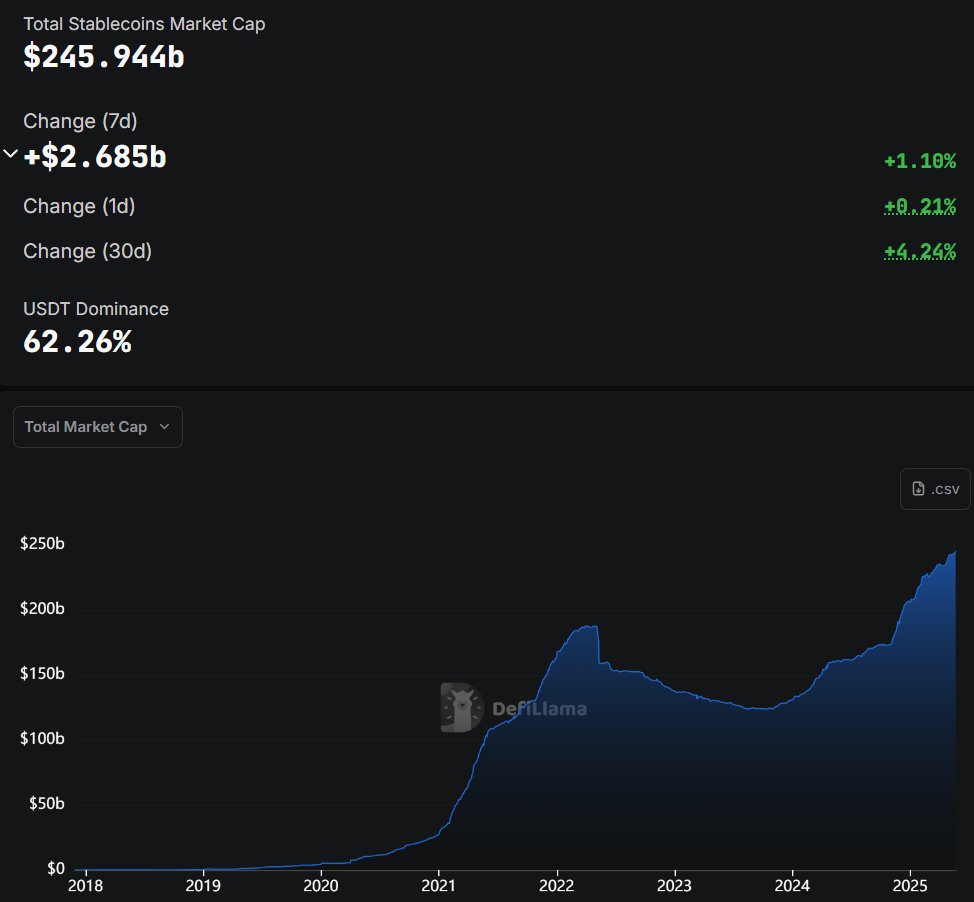
Why the frenzy? Stablecoin volumes have exploded, and Florida wants its slice with safeguards. Issuers exceeding $10 billion in consolidated outstanding payment stablecoins must pivot to federal oversight, creating a seamless handoff that prevents regulatory vacuums. This tiered approach is aggressive yet pragmatic, rewarding smaller players with state nimbleness while funneling giants upward. Market watchers note this could lure operations from less stable jurisdictions, boosting Florida's fintech hub status.
Reserve Requirements: 1: 1 Fortress in Cash and Treasuries
At the core of Florida stablecoin bill 2026 lies an unyielding reserve mandate: every circulating stablecoin must be backed 1: 1 by United States currency or Treasury instruments. No shortcuts, no exotics like corporate bonds or crypto collateral. Applicants must prove this in license submissions, subjecting reserves to OFR audits and monthly attestations. Redemption rights are sacrosanct; users demand instant liquidity at par value, enforceable under state penalties.
This isn't fluffy policy; it's a trader's litmus test. Imagine auditing Tether or USDC under Florida's gaze: transparency reports become battlegrounds, with non-compliance triggering license revocation. For issuers, the math is brutal yet actionable: stockpile low-risk assets, optimize yields via short-term Treasuries, and brace for redemption stress tests. Early adopters could gain first-mover edge, locking in Florida's 22 million residents as a captive market.
Florida Stablecoin Reserve Pillars
- 1:1 Backing: Reserves in USD or U.S. Treasuries
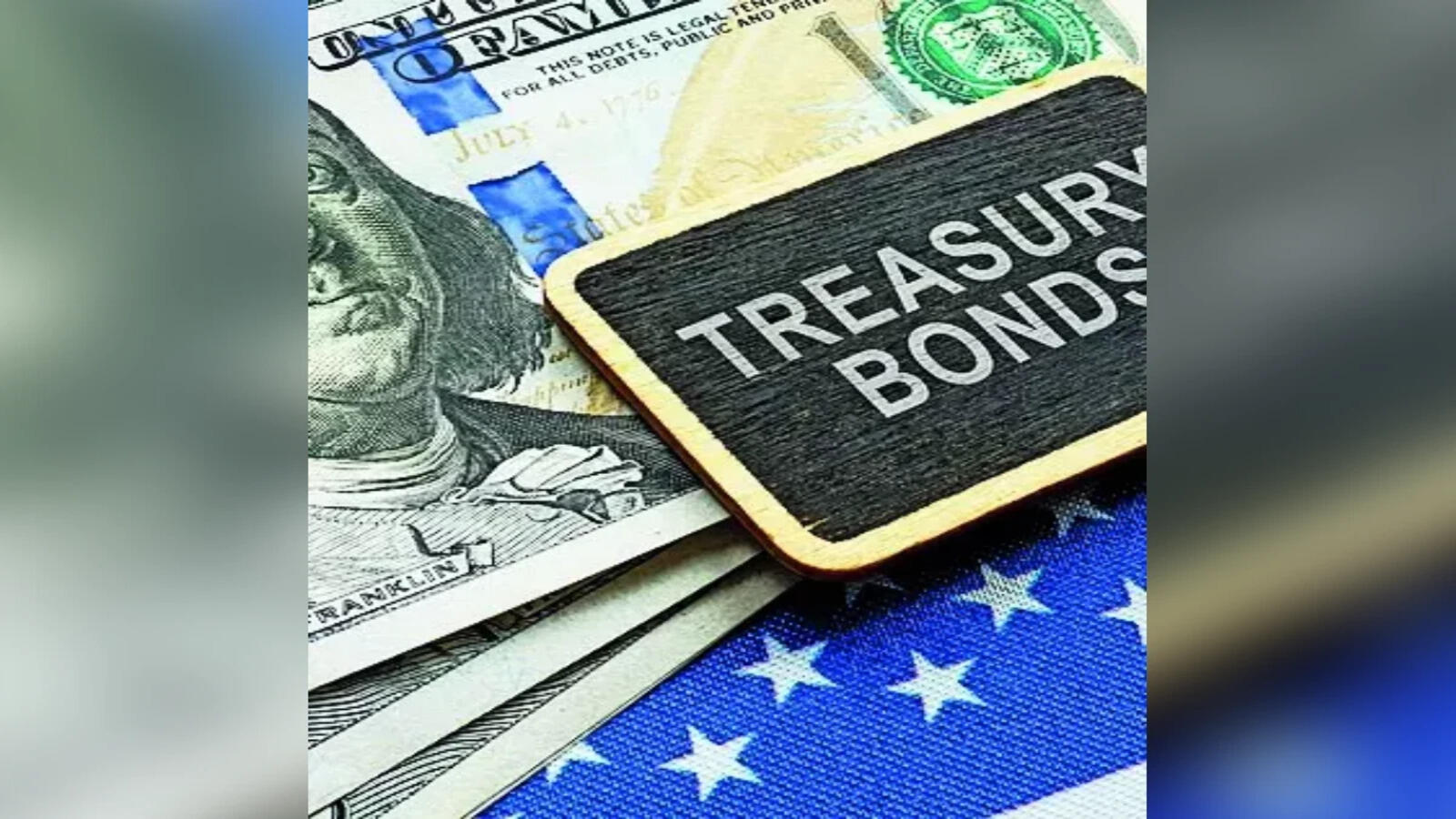
- Monthly Attestations: Proof of adequate reserves

- Redemption at Par: Full value for holders

- OFR Audits: Florida Office of Financial Regulation oversight
- $10B Federal Shift: Transition to GENIUS Act oversight
AML and KYC: Locking Down Florida's Stablecoin Pipelines
Florida stablecoin AML rules elevate compliance from checkbox to cornerstone. Issuers face full-spectrum obligations: robust KYC for on-ramps, transaction monitoring for red flags, and suspicious activity reporting to FinCEN. The bill weaves these into licensure, prohibiting unlicensed operations and empowering OFR with enforcement teeth, including fines up to $100,000 per violation.
Opinion: This is Florida flexing post-FTX scars, ensuring stablecoins don't morph into laundering vectors. Traders benefit from cleaner markets; exchanges partnering with licensed issuers sidestep contagion risks. Yet, the burden skews toward innovators: smaller teams must scale compliance stacks rapidly. Actionable intel: prioritize API integrations with Chainalysis or Elliptic now, as 2026 deadlines loom. Bipartisan backing suggests swift implementation, making Florida a compliance pacesetter.
Traders, here's the edge: Florida's framework syncs with MSB regs under Chapter 560, F. S. , streamlining dual compliance for borderless ops. But expect scrutiny; OFR can deny licenses for incomplete apps or past violations, with appeals limited to 30 days. This setup favors incumbents like Circle or Paxos, who already tick federal boxes, while startups hustle for attestations.
Licensing Blueprint: From Application to Activation
SB 314 spells out the Florida stablecoin licensing path with surgical precision. Starting October 1,2026, issuers file with OFR, submitting proof of 1: 1 reserves, governance docs, and AML programs. Fees? Likely tiered by issuance volume, though exacts await rulemaking. Approval timelines hover at 90-120 days, per similar MSB precedents, pushing proactive filings by mid-2026.
Key twist: existing issuers get a six-month grace for retroactive compliance, but new entrants face full gauntlet. This window is gold for agile players; model your app around monthly reserve proofs via third-party auditors like Deloitte. Non-compliance? Cease-and-desist orders, asset freezes, even criminal referrals. Florida's betting big on enforcement to build trust, turning the state into a stablecoin safe harbor.
Florida SB 314 Requirements Table
| Requirement | Details |
|---|---|
| Reserves | 1:1 USD/Treasuries |
| AML/KYC | FinCEN reporting, register as money services businesses |
| Licensing | OFR application effective Oct 1, 2026 |
| Redemption | At par |
| Threshold | $10B consolidated issuance shifts to federal oversight (GENIUS Act) |
| Penalties | Up to $100k per violation |
Issuer Playbook: Navigate or Get Left Behind
For issuers, SB 314 is a double-edged sword. Upside: non-securities status slashes SEC overhang, freeing capital for Florida expansion. Downside: perpetual audits demand tech stacks for real-time reserve tracking, blockchain oracles for transparency. Action step: benchmark against NY BitLicense; Florida's lighter but punches harder on redemptions.
Market ripple: expect issuer consolidation as $10 billion threshold funnels behemoths to GENIUS Act feds. Smaller ops thrive under state caps, targeting Florida's $1.5 trillion economy. Traders, pair licensed stablecoins with DeFi yields; compliance premium could lift peg stability 20-50 bps, per historical analogs.
Trader Action Items for FL Stablecoin Rules
- Audit partner reserves now: Verify 1:1 backing in U.S. currency or Treasuries per SB 314 ahead of Oct. 1, 2026.
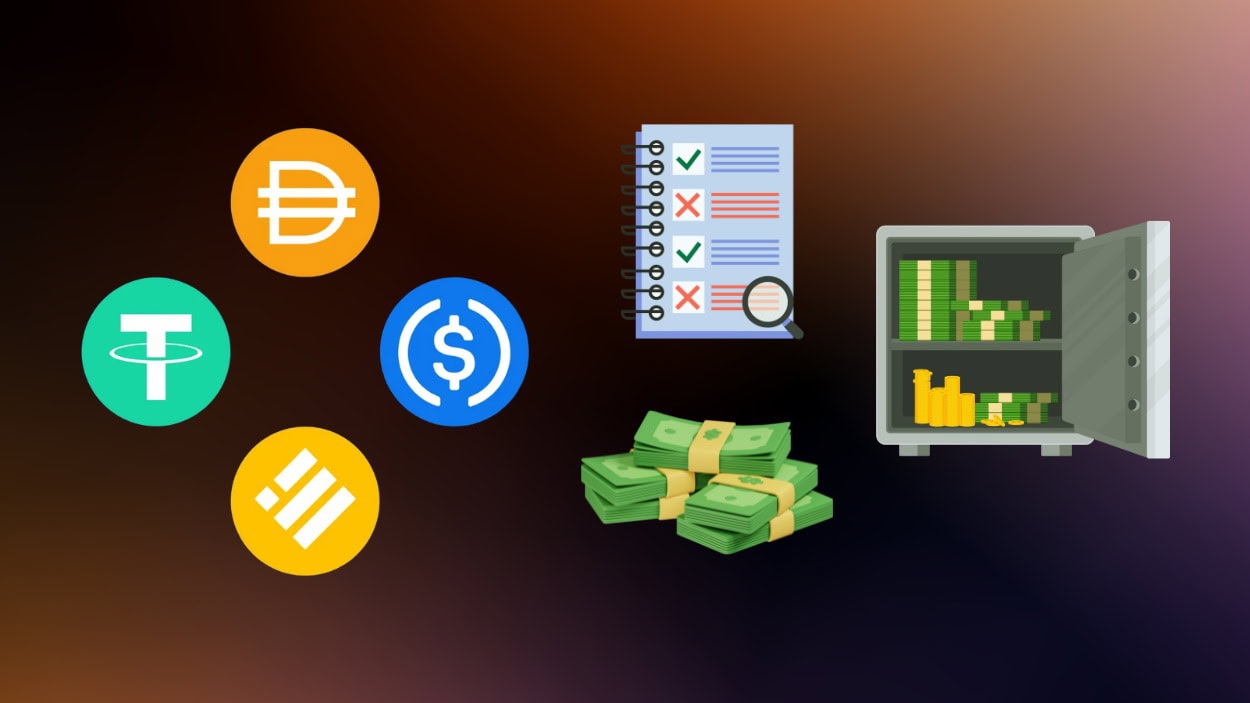
- Integrate KYC APIs: Ensure AML/KYC compliance for Florida MSB registration as a qualified issuer.

- Model $10B growth scenarios: Prepare for GENIUS Act federal oversight if issuance exceeds threshold.
- File early for licensing edge: Submit OFR applications before Oct. 1, 2026 effective date.
- Monitor DeSantis signature timeline: Track post 37-0 Senate vote status for law enactment.
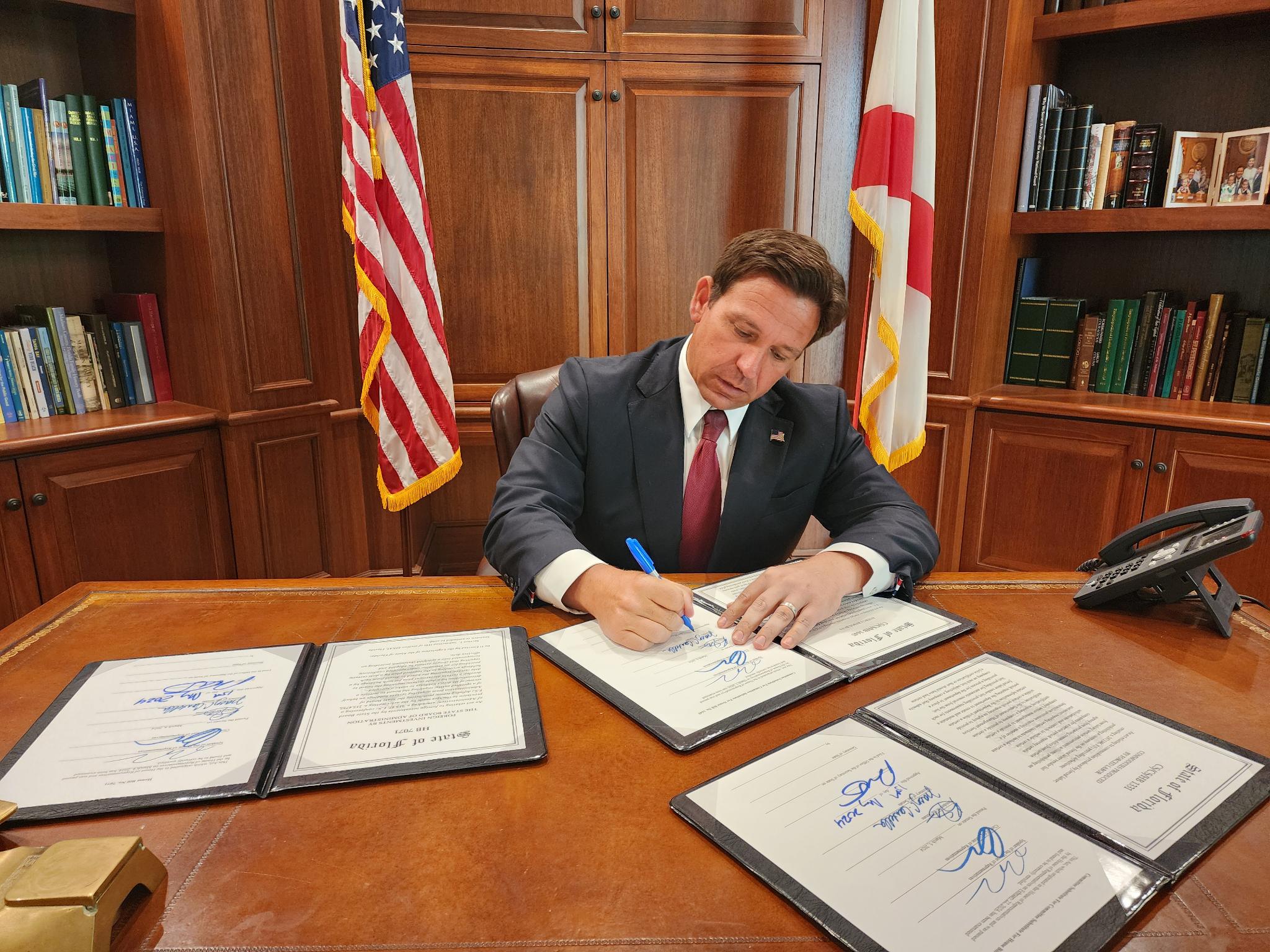
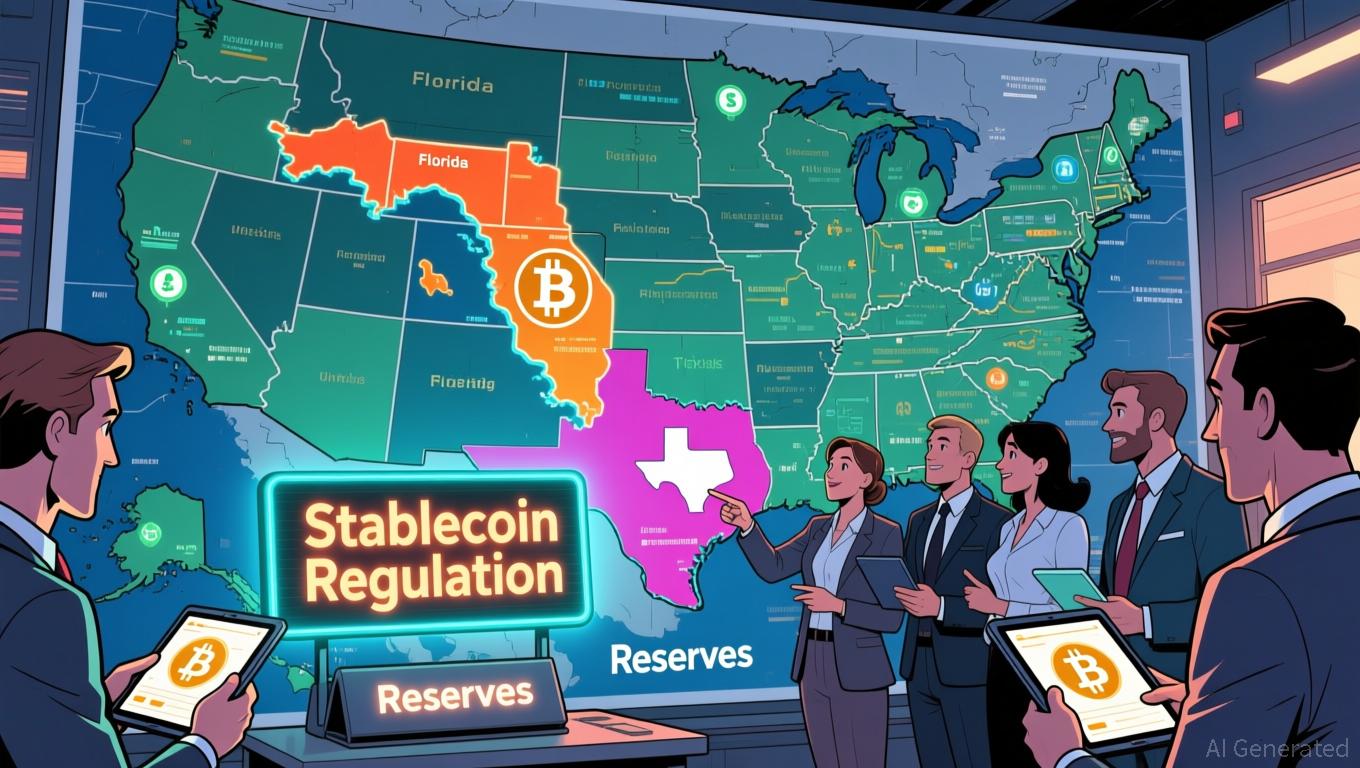
Zoom out to US state stablecoin regulation Florida pioneer status. With 37-0 muscle, this bill leapfrogs Wyoming or Texas fragments, syncing state-federal gears via GENIUS handoff. DeSantis, crypto-friendly with his Bitcoin reserve push, likely inks it fast, activating 2026 enforcement.
Market Momentum and Trader Edges
Volumes tell the tale: stablecoin txns hit $10 trillion annualized, Florida claiming 5-7% via Miami hubs. Post-passage, watch USDC or PYUSD inflows; licensed tags boost exchange listings. Risks? Rulemaking delays or federal preemption, but bipartisan steamroller minimizes that.
Strategic pivot: issuers embed oracles for on-chain proofs, traders arbitrage peg deviations pre-compliance crunch. Florida's model could domino; expect copycats in Texas, Georgia by 2027. Stay nimble: this is regulation as rocket fuel, not roadblock.
OFR's oversight cements Florida as fintech fortress, blending innovation with iron rules. Issuers adapt or atrophy; traders capitalize on clarity. With DeSantis's pen poised, 2026 marks Florida's stablecoin surge.




No comments yet. Be the first to share your thoughts!