
If you’re considering launching or servicing stablecoins in the European Union in 2025, you’ve landed at the right place. The EU’s regulatory landscape for digital assets has never been more dynamic, with Markets in Crypto-Assets (MiCA) setting a new gold standard for stablecoin oversight. Let’s break down what’s changed, what you need to know about licensing, and why the next twelve months are pivotal for compliance teams and innovators alike.
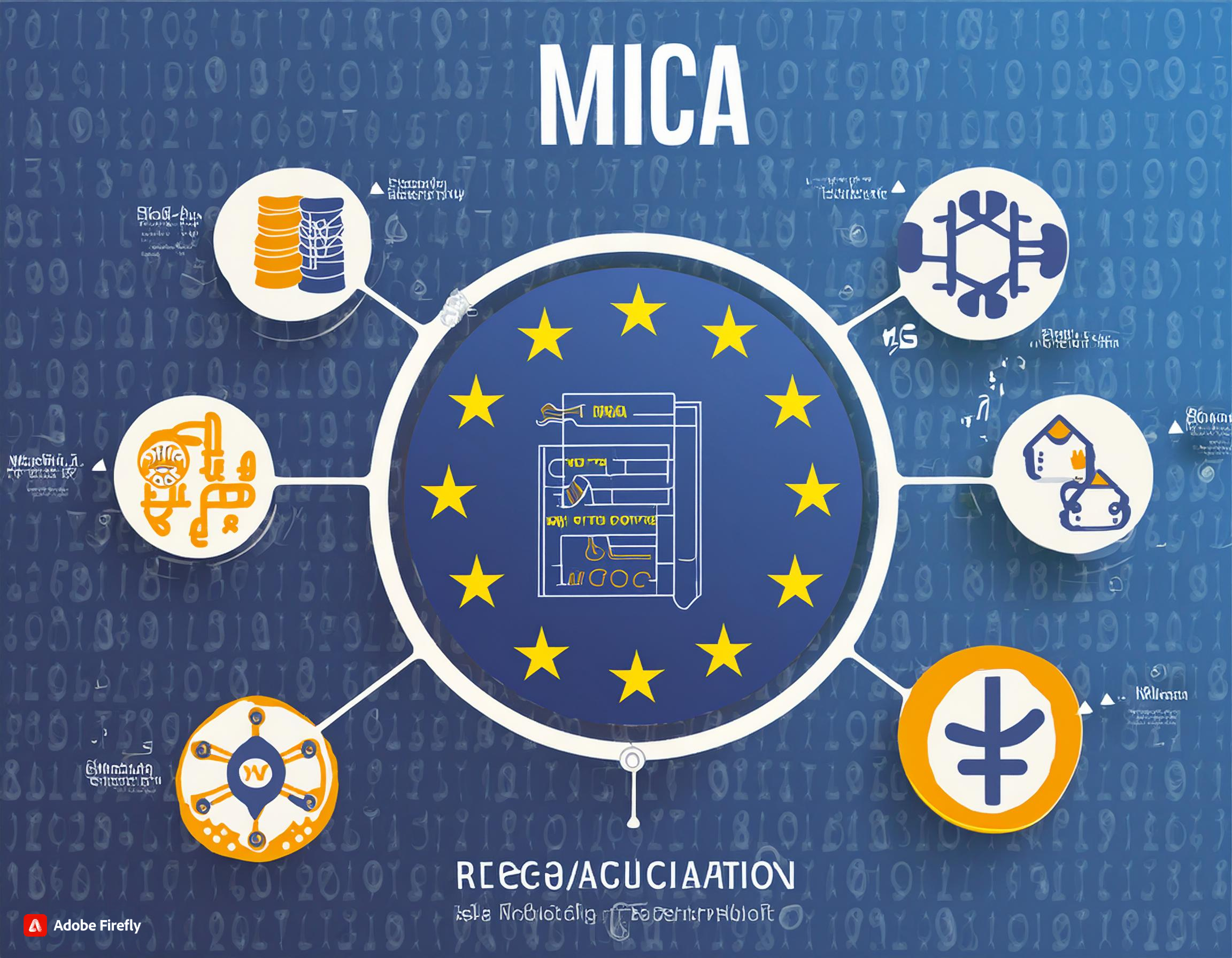
MiCA: The Backbone of Stablecoin Licensing in the EU
The Markets in Crypto-Assets Regulation (MiCA), formally known as Regulation (EU) 2023/1114, is now fully operational across all member states. MiCA introduces a harmonized framework that covers two main types of stablecoins:
- E-Money Tokens (EMTs): These are stablecoins pegged to a single official currency, like the euro.
- Asset-Referenced Tokens (ARTs): These reference a basket of assets, such as multiple currencies or commodities.
This dual classification is crucial because it determines which licensing pathway and compliance obligations apply to your project. For those familiar with e-money rules or payment services, expect some overlap - but MiCA brings its own twist on governance and transparency.
Who Can Issue Stablecoins Under MiCA?
The days of launching a euro-pegged token from your laptop are over. As of November 2025:
- EMTs can only be issued by credit institutions or authorized electronic money institutions (EMIs). This means fintech startups must either become an EMI themselves or partner with a licensed entity.
- ART issuers must be legal entities established within the EU, authorized by their national competent authority. No more backdoors via offshore setups or regulatory arbitrage.
The European Banking Authority (EBA) oversees authorization for both EMTs and ARTs, with every new stablecoin project requiring full licensing before launch - no exceptions in 2025. This is a significant shift from previous years when many projects operated in regulatory gray zones.
Key Compliance Pillars: Reserves, Redemption and Transparency
If you’re mapping out your compliance journey, focus on these three pillars:
- Reserve Requirements: Both EMTs and ARTs must be backed 1: 1 by high-quality liquid reserves. For EMTs, this means cash or equivalents; for ARTs, there’s some flexibility but expect strict scrutiny over asset quality and liquidity.
- Redemption Rights: Users must have the right to redeem tokens at par value at any time. No hidden fees or redemption delays allowed under MiCA - consumer protection is front and center.
- Transparency and Reporting: Issuers must publish regular disclosures detailing reserve composition, governance structures, and redemption mechanisms. Think quarterly reports plus ad hoc updates for material changes.
This transparency isn’t just for show; it’s designed to prevent runs on reserves and ensure user trust across borders. Notably, No interest can be paid on EMTs or ARTs, closing off yield-bearing models that once blurred the line between payment tokens and securities.
Navigating Dual Licensing Risks and Regulatory Overlap
A hot topic right now is whether stablecoin issuers will face double licensing headaches due to overlaps between MiCA and existing frameworks like PSD2 (the Payment Services Directive). Industry leaders like Circle have raised concerns that e-money token activities could require both a MiCA license and a payment services license by March 2026 if legislators don’t clarify the rules soon. This could mean extra paperwork, higher costs, and slower time-to-market for new entrants.
The European Commission is actively investigating these issues - particularly how foreign-issued but technically identical e-money tokens fit into the regime - so expect further guidance before year-end. For now, legal teams should prepare for possible dual application processes if their business model touches both crypto-assets and traditional payments infrastructure.
Looking ahead, stablecoin projects must also be mindful of the so-called “fiscal cliff” deadline. By December 30,2025, exchanges and service providers across the EU are required to delist any non-compliant stablecoins that haven’t secured proper MiCA authorization. This is a hard stop, there’s no grace period for tokens operating in regulatory limbo. If your token isn’t licensed, it’s off the market. The message from Brussels is crystal clear: consumer protection and financial stability take precedence over speed to launch.
One recent development worth watching is the relaxation of reserve rules for ARTs. As of March 2025, up to 50% of reserves can be held in short-term government bonds, a nod to both market realities and issuer feedback on liquidity management. However, this flexibility comes with strings attached: issuers must demonstrate robust risk controls and provide detailed breakdowns of their reserve portfolios in public disclosures.
Practical Steps: How to Secure Your EU Stablecoin License
So what does the actual application process look like? Here’s a high-level roadmap:
- Choose your category: Decide if your project falls under EMT or ART classification, this determines your regulator and licensing path.
- Prepare documentation: Gather detailed business plans, governance structures, AML/CFT policies, reserve audit reports, IT security frameworks (including DORA compliance), and consumer protection mechanisms.
- Liaise with your national competent authority: Submit your application package for review; expect intensive due diligence and follow-up questions.
- Undergo EBA assessment: For systemically important tokens or cross-border projects, the European Banking Authority will review your proposal before final sign-off.
The timeline from submission to approval can range from three months (for straightforward cases) to over nine months for complex or novel projects. Early engagement with regulators, and transparency about your business model, can help smooth the process considerably.
If you’re already operating under an e-money license or as a CASP (Crypto-Asset Service Provider), don’t assume automatic grandfathering under MiCA. Most existing licenses will need updating or re-application under the new regime. Be proactive: map out where your current permissions overlap with MiCA requirements and identify any gaps well ahead of deadlines.
What’s Next? Ongoing Supervision and Future-Proofing Your Business
The EU’s approach doesn’t end at licensing. Once authorized, stablecoin issuers face ongoing supervisory obligations: regular audits, stress tests on reserves, continuous AML/KYC monitoring, and prompt reporting of any incidents affecting redemption rights or asset backing. Regulators have made it clear they’ll take swift action against non-compliance, including fines or even license revocation for serious breaches.
This evolving landscape means compliance isn’t a one-and-done exercise; it’s an ongoing relationship with regulators and consumers alike. Staying plugged into updates from ESMA (European Securities and Markets Authority) and the EBA is key, as is joining industry associations that advocate for practical guidance on emerging issues like DeFi integration or cross-border interoperability.
For those comparing global options or weighing dual launches in multiple markets, it pays to understand how Europe’s approach stacks up against regimes like the US GENIUS Act or UK FCA guidance. For a deep dive into these differences, and tips on multi-jurisdictional compliance, check out our analysis at Comparing Stablecoin Regulation: US GENIUS Act vs EU MiCA vs UK FCA (2025).
The bottom line? The EU has raised the bar for stablecoin oversight in 2025, but with clarity comes opportunity. Projects that embrace transparency, robust governance, and proactive dialogue with regulators will be best positioned not just to survive but thrive as digital assets go mainstream across Europe.




No comments yet. Be the first to share your thoughts!